


Classic homocystinuria, a rare inherited metabolic disorder, continues to intrigue researchers due to its complex pathophysiology and multifaceted clinical manifestations. This condition arises from a deficiency in the enzyme cystathionine beta synthase (CBS), a critical catalyst in sulfur amino acid metabolism. The enzyme’s malfunction leads to an accumulation of homocysteine (Hcy) in plasma, resulting in a spectrum of systemic complications, ranging from thromboembolism to cognitive impairment and skeletal abnormalities. Despite advances in standard therapy aiming to modulate plasma homocysteine levels, a subset of patients remains refractory, presenting an ongoing therapeutic challenge.
In a groundbreaking study recently published in Pediatric Research, Kahraman and colleagues delve into the potential role of choline supplementation in managing elevated homocysteine levels among CBS-deficient homocystinuria patients. The team focused particularly on patients who, despite receiving conventional treatment regimens, persistently exhibited hyperhomocysteinemia. This work not only broadens the understanding of choline’s biochemical interactions but also raises the prospect of novel adjunctive therapies that could improve patient outcomes beyond current standards.
Choline, an essential nutrient pivotal for one-carbon metabolism and methyl group donation, bears a profound influence on hepatic lipid processing and homocysteine remethylation. The enzyme CBS’s deficiency disorganizes sulfur amino acid pathways, culminating in metabolic bottlenecks that may be partially alleviated through enhanced methyl group availability. By integrating choline supplementation, the researchers hypothesized that homocysteine levels could be modulated indirectly, mitigating both toxic plasma accumulation and downstream hepatic complications.
The investigative team employed rigorous biochemical assays to ascertain the baseline choline status in classic homocystinuria patients, identifying a pattern of relative insufficiency compared to healthy controls. This finding illuminates a potentially overlooked aspect of metabolic derangement in CBS deficiency—nutrient imbalances that could exacerbate canonical symptoms. The data suggest that deficient choline availability might intensify homocysteine accumulation via impaired methylation cycles, further complicating disease pathogenesis.
Therapeutic intervention involved administering controlled doses of choline supplementation alongside standard treatments, including vitamin B6, folate, and betaine. Over the intervention period, researchers meticulously monitored plasma homocysteine concentrations, liver function markers, and imaging-based assessments of hepatic steatosis. The results demonstrated a statistically significant decline in homocysteine levels among supplemented subjects, suggesting a synergistic role of choline with conventional therapies.
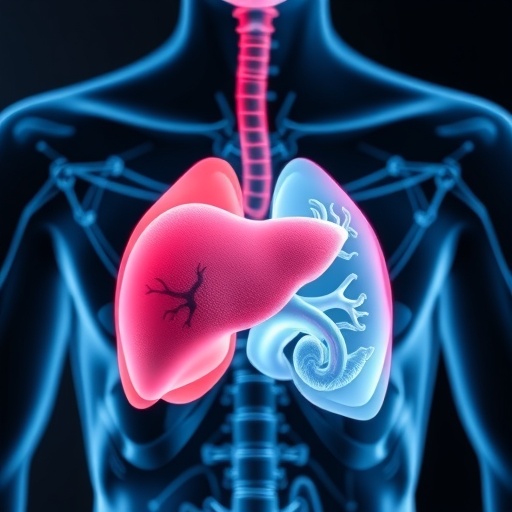
Importantly, the study also revealed a concurrent improvement in hepatic steatosis parameters, a common but underexplored comorbidity in homocystinuria. The correlation between elevated plasma homocysteine and lipid accumulation in hepatocytes underscores a pathological link that choline might alleviate by enhancing hepatic lipid metabolism and reducing oxidative stress. These findings hint at an expanded therapeutic window for tackling liver manifestations in CBS deficiency beyond homocysteine normalization.
The mechanistic underpinnings relate to choline’s role as a precursor to phosphatidylcholine, essential for very-low-density lipoprotein (VLDL) assembly and secretion. Impaired VLDL formation can lead to intracellular lipid retention, precipitating hepatic steatosis. By supplementing choline, normal lipid export pathways may be restored, preventing hepatocellular lipid overload. This mechanism intricately connects choline metabolism with homocysteine’s toxic effects, delineating an interwoven metabolic network influenced by CBS activity.
From a broader perspective, the study’s revelations may catalyze a paradigm shift in how clinicians approach the treatment of classic homocystinuria. Rather than solely targeting homocysteine reduction, integrated management strategies that restore metabolic equilibrium encompassing choline and related nutrient pathways could emerge. This holistic view aligns with contemporary precision medicine trends emphasizing individualized biochemical profiling and targeted supplementation.
Moreover, these findings could inspire research into other metabolic diseases characterized by disrupted sulfur amino acid metabolism or methylation cycles. Given choline’s ubiquitous role in cellular biochemistry, its supplementation might prove beneficial in diverse contexts where methyl donor deficits exacerbate disease phenotypes. The crosstalk between choline metabolism and homocysteine regulation could thus become a focal point for novel therapeutic development.
Despite the promising outcomes, the study acknowledges several limitations, including the relatively small cohort size and short duration of choline supplementation. Longitudinal studies with larger populations are necessary to validate the durability of treatment effects and uncover potential long-term adverse outcomes. Additionally, clarifying optimal dosing regimens and potential interactions with other vitamins integral to one-carbon metabolism remains an imperative for clinical translation.
Critically, the safety profile of choline supplementation in pediatric populations must be thoroughly characterized. While choline is deemed generally safe at recommended daily intakes, high doses could theoretically provoke side effects or interact unfavorably with existing medications. The study’s adherence to carefully titrated supplementation protocols sets an important precedent for future interventions.
The integration of advanced imaging modalities to quantify hepatic steatosis represents another strength of this research. By correlating biochemical markers with direct visualization of liver tissue characteristics, the authors provide robust evidence linking metabolic correction to tangible organ-level improvements. This multimodal approach strengthens the causal inference between choline supplementation and amelioration of hepatic pathology.
For the field of pediatric metabolic disorders, this study signals an exciting advance. Classic homocystinuria patients, who often endure lifelong morbidity, may benefit from new adjunctive therapies that go beyond symptom management toward metabolic restoration. The evidence supporting choline supplementation invites renewed exploration into dietary and pharmacological strategies that harness nutrient metabolism for disease modification.
Future research trajectories inspired by these findings could explore combinatorial interventions engaging multiple metabolic pathways simultaneously. For instance, integrating choline with other emerging agents targeting sulfur amino acid cycles might produce synergistic benefits. Furthermore, genetic and epigenetic profiling may identify patient subgroups most likely to respond favorably to such tailored interventions.
In sum, the elucidation of choline’s impact on homocysteine regulation and hepatic steatosis in CBS-deficient classic homocystinuria patients offers a new frontier for metabolic disease treatment. This research underscores the importance of considering broader nutrient interactions within disease pathogenesis and therapeutic design. As metabolic medicine continues to evolve, such insights broaden the horizon of possibilities for patients who have long awaited more effective solutions.
Cite Scienmag News
Denise Maddox. (September 23, 2025). Choline Boosts Liver Health, Lowers Homocysteine Levels. Scienmag. https://scienmag.com/choline-boosts-liver-health-lowers-homocysteine-levels/
Denise Maddox. "Choline Boosts Liver Health, Lowers Homocysteine Levels." Scienmag, 23 September 2025, https://scienmag.com/choline-boosts-liver-health-lowers-homocysteine-levels/. Accessed 4 September 2026.
Denise Maddox. "Choline Boosts Liver Health, Lowers Homocysteine Levels." Scienmag. September 23, 2025. https://scienmag.com/choline-boosts-liver-health-lowers-homocysteine-levels/


