


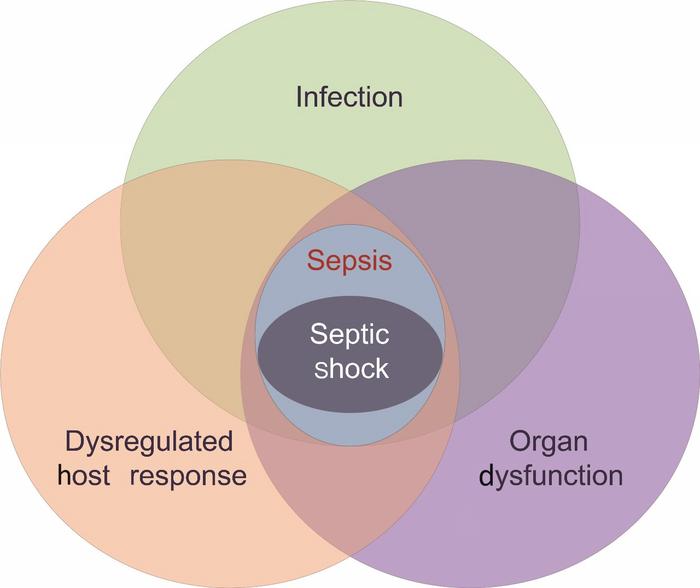
Imagine the human body mounting an excessively heightened reaction to an infection, causing multiple organ failures and posing a risk of death. This condition, recognized as sepsis, affects approximately 49 million individuals worldwide annually. To thus reduce the mortality rate and the global burden of sepsis, the World Health Organization has classified it as a priority research area. When coupled with surgical trauma, anesthetic drugs, and various invasive procedures, the impact intensifies, resulting in additional impairment to vital organ functions such as respiration and circulation, making the situation even more perilous and complex. How to improve the perioperative prognosis of patients with concurrent sepsis constitutes a formidable challenge for anesthesiologists.

Credit: Professor Xiangming Fang of Zhejiang University, China
Imagine the human body mounting an excessively heightened reaction to an infection, causing multiple organ failures and posing a risk of death. This condition, recognized as sepsis, affects approximately 49 million individuals worldwide annually. To thus reduce the mortality rate and the global burden of sepsis, the World Health Organization has classified it as a priority research area. When coupled with surgical trauma, anesthetic drugs, and various invasive procedures, the impact intensifies, resulting in additional impairment to vital organ functions such as respiration and circulation, making the situation even more perilous and complex. How to improve the perioperative prognosis of patients with concurrent sepsis constitutes a formidable challenge for anesthesiologists.
Bundled therapies form the crux of current sepsis management and treatments that focus on patient revival through fluid administration, timely administration of antibiotics, stabilization of cardiovascular function and blood flow, and supportive care to prevent organ failure. Nevertheless, the constrained efficacy of bundled therapies, especially in treating multiple organ failures over the past two decades, encourages medical researchers to discover novel sepsis therapies.
With the advent of cell-based therapies, there is now the potential to restore normal immune function and protect against multiple organ failures. Medical researchers worldwide are exploring the impact of cell-based therapies on sepsis management and treatment. Advancing the understanding on this front, a research group led by Professor Xiangming Fang from the Department of Anesthesiology and Intensive Care, The First Affiliated Hospital, School of Medicine, Zhejiang University, China, reviewed the existing literature on such cell-based therapies.
When asked about the scope of the review, Prof. Fang says, “This review provides a concise overview of immune cell therapy, its current status, and the strides made in the context of sepsis research, discussing potential strategies for the management of patients with sepsis during perioperative stages.” Their findings were published online in the Chinese Medical Journal in April 2024.
The research group found that mesenchymal stem cell (MSC)-based therapies are emerging as a promising approach for treating sepsis. MSCs have progressed to phase II clinical trials, reflecting the growing interest in the therapeutic potential of these MSCs. They also highlighted that future investigations could concentrate on determining the ideal dosage, administration routes, and storage methods to maximize the efficacy and safety of the treatment.
Importantly, the researchers found that innate immune cells called macrophages, particularly those expressing high levels of triggering receptor expressed on myeloid cells 2 (TREM2high), have shown significant promise in pre-clinical studies addressing surgical sepsis. The phagocytic function (engulfment and digestion of the infectious agents) of these cells, along with debris clearance, tissue repair, and organ perfusion abilities, may ultimately modulate outcomes in surgical sepsis cases. Moreover, latest studies show that targeted administration of these macrophages may facilitate organ function recovery, like heart function, enhancing postoperative outcomes in patients with sepsis.
Furthermore, the researchers highlighted that various immune cell subsets, including neutrophils, natural killer (NK) cells, dendritic cells (DCs), T cells, and B cells, exhibit therapeutic potential in sepsis management. Although neutrophils are essential players in the immune defense against infection, they can behave abnormally during sepsis, contributing to immune dysregulation and organ dysfunction. Similarly, NK cells help fight viral infections but ambiguously affect the body during sepsis. DCs help initiate immune responses, but their numbers decrease and function diminishes during sepsis, making them a potential target for treatment. Various subsets of T cells help regulate immune responses but undergo suppression during sepsis. B cells have been conventionally associated with antibody production but also play complex roles in sepsis, with some evidence suggesting they may have a protective function.
Moving forward, the researchers also emphasize the need for further studies on the behaviors of these immune cells to uncover potential applications as therapeutic targets. The review also discussed the distinctive challenges in the clinical implementation of cell-based immunotherapies for managing and treating sepsis, including precise cell modification, safety, delivery routes, and cost-effectiveness. Prof. Fang adds, “Future studies should delve deeper into aspects such as optimal dosage, administration route, and storage methods.”
Overall, the advent of cell-based immunotherapies for managing and treating sepsis provides hope to millions of patients and their caregivers. We certainly hope that these research endeavors lead to a new era of better sepsis management.
***
Reference
Titles of original papers: Advancing cell-based therapy in sepsis: An anesthesia outlook
Journal: Chinese Medical Journal
Journal
Chinese Medical Journal
Method of Research
Literature review
Subject of Research
Not applicable
Article Title
Advancing cell-based therapy in sepsis: An anesthesia outlook
Article Publication Date
1-Apr-2024
Cite Scienmag News
Courtney Benton. (May 16, 2024). Chinese Medical Journal review explores cell-based immunotherapies for sepsis. Scienmag. https://scienmag.com/chinese-medical-journal-review-explores-cell-based-immunotherapies-for-sepsis/
Courtney Benton. "Chinese Medical Journal review explores cell-based immunotherapies for sepsis." Scienmag, 16 May 2024, https://scienmag.com/chinese-medical-journal-review-explores-cell-based-immunotherapies-for-sepsis/. Accessed 4 September 2026.
Courtney Benton. "Chinese Medical Journal review explores cell-based immunotherapies for sepsis." Scienmag. May 16, 2024. https://scienmag.com/chinese-medical-journal-review-explores-cell-based-immunotherapies-for-sepsis/

