

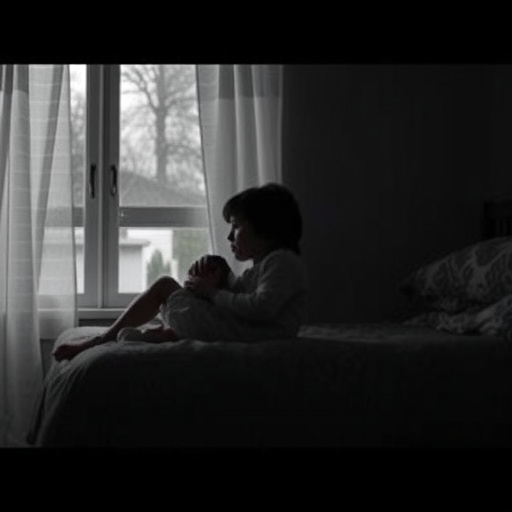
The tragic phenomenon of intimate partner homicide disrupts countless lives, profoundly affecting families. Among the most vulnerable victims of such tragic events are the children and young people who find themselves navigating a world altered by loss. In a thought-provoking study titled “Home after Homicide: How Do Children and Young People Experience Home Following Bereavement Through Intimate Partner Homicide?”, researchers Sakthiakumaran, Eastwood, Marinkovic Chavez, and colleagues dive into the emotional landscapes of these young individuals as they grapple with their changing realities.
The emotional impact of losing a parent or caregiver to intimate partner homicide cannot be understated. For children and young people, the sense of home can become a haunting place, filled with memories of loss and chaos. The study sheds light on the unique experiences these young mourners face, highlighting their emotional struggles and the complex dynamics of grief that unfold within their households.
In a world that often trivializes or overlooks the voices of the bereaved, this research elevates the narratives of affected children. By centering their experiences, the study aims to foster understanding of the depth of their pain and the intricate nature of their grief. Children, who may not have the vocabulary to articulate their feelings, are portrayed vividly through the testimonies shared with the researchers.
The study emphasizes that each young person’s experience of grief is distinct, shaped by factors including age, relationship with the deceased, and the circumstances surrounding the tragic event. The researchers gathered data through a variety of methods, including interviews and surveys, providing a comprehensive view of the emotional upheaval that follows such a heart-wrenching occurrence.
One of the key findings from the research is that many children experience a profound sense of displacement following a homicide. The home, which should serve as a sanctuary, can instead transform into a site of distress, laced with reminders of the loved one they’ve lost. For some, this leads to feelings of anxiety or safety concerns, as the home that once felt secure becomes a reminder of their trauma.
Moreover, the study highlights the role of community and social support systems in influencing how these young people cope with their bereavement. The absence of a supportive network can exacerbate their feelings of isolation and confusion. Conversely, children who benefit from strong familial and community ties often report healthier coping mechanisms and a greater ability to express their emotions.
The researchers also underscore the importance of fostering an environment where children feel safe to grieve. They advocate for educational programs that equip parents, caregivers, and educators with tools to recognize signs of grief in young individuals. Such training can encourage proactive approaches to handling grief, ultimately contributing to better emotional resilience among young mourners.
Another dimension explored in the study is the long-term impact of childhood bereavement on mental health. The researchers note that children who lose a parent through violent means are at a heightened risk for developing issues such as depression and anxiety. By addressing these mental health concerns early on, interventions can be better tailored to support the specific needs of these young individuals.
Additionally, the study examines the coping strategies adopted by children in the wake of such grief. Some find solace in creative outlets such as art or writing, while others may engage in physical activities that help alleviate their emotional burdens. Recognizing these strategies can provide insights into effective ways to support grieving children, allowing them to process their emotions in healthy and constructive ways.
The emotional fallout from intimate partner homicide can linger for years to come, impacting not just the immediate aftermath but the trajectory of a child’s life. The researchers delve into the ramifications that can affect educational performance, social interactions, and overall quality of life, underscoring the necessity for sustained support beyond the initial grieving period.
Critical to the study’s findings is the notion that grief does not follow a linear path. Instead, the emotional journey is often marked by ups and downs, with children oscillating between periods of acceptance and waves of sorrow. This non-linear experience of grief can complicate discussions surrounding bereavement, as those around the grieving child may not fully understand the ongoing nature of their emotions.
The insights garnered from this research challenge societal narratives that often ignore the experiences of young people dealing with grief. By amplifying their voices, the study advocates for a cultural shift towards greater empathy and understanding of their journeys. It highlights the urgent need for policies and practices that prioritize the mental health and emotional well-being of young survivors.
In summary, the comprehensive research illuminates the profound impacts of intimate partner homicide on children and young people, inviting readers to reflect on the ways society can better support these vulnerable populations. Emphasizing the need for compassion, understanding, and proactive interventions, the study serves as a call to action for families, educators, and policymakers alike. The voices of grieving children must not only be heard but prioritized, ensuring that they receive the care and support they desperately need as they navigate through their sorrow.
By shedding light on their experiences, this research contributes significantly to the ongoing discourse surrounding grief, highlighting the essential role of community support and understanding in the healing process. It endeavors to pave a path toward a compassionate future for those affected by such tragedies, catalyzing change that can enhance the well-being of grieving children.
The research study serves not only as an academic contribution but also as a poignant reminder of the resilience of children in the face of unthinkable loss. Their journeys through grief are complex and sometimes overwhelming, yet they also exemplify the profound courage and strength inherent in the human spirit.
Subject of Research: Emotional experiences of children and young people following bereavement due to intimate partner homicide.
Article Title: Home after Homicide: How Do Children and Young People Experience Home Following Bereavement Through Intimate Partner Homicide?
Article References:
Sakthiakumaran, A., Eastwood, O., Marinkovic Chavez, K. et al. Home after Homicide: How Do Children and Young People Experience Home Following Bereavement Through Intimate Partner Homicide?.
J Child Fam Stud (2026). https://doi.org/10.1007/s10826-025-03245-2
Image Credits: AI Generated
DOI: https://doi.org/10.1007/s10826-025-03245-2
Keywords: Bereavement, Children, Intimate Partner Homicide, Grief, Mental Health, Community Support.


