

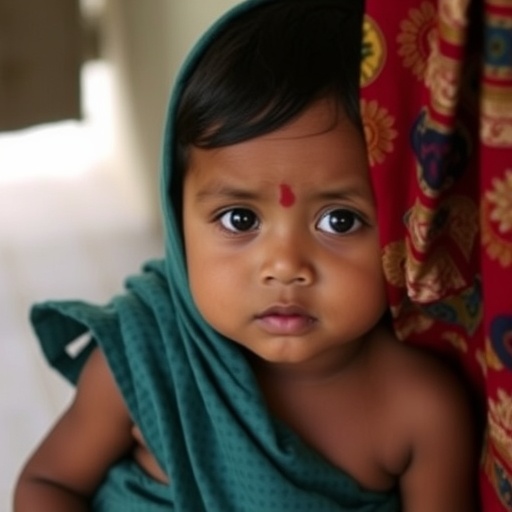
In a groundbreaking study published in BMC Pediatrics, researchers have shed light on the critical factors influencing mortality rates among children suffering from community-acquired pneumonia in Sri Lanka. This comprehensive investigation, conducted by Liyanage, Jayarathne, Adihetti, and colleagues, involved a detailed analysis of hospital data from pediatric intensive care units across multiple centers in the country. By examining various predictors of mortality, the study aims to enhance clinical practices and improve outcomes for young patients grappling with this serious respiratory infection.
Community-acquired pneumonia remains one of the most significant health challenges faced by pediatric populations worldwide. While the condition is often treatable, it poses a substantial risk for hospitalization and can lead to severe complications, particularly in young children. The current research sought to identify key clinical parameters that could assist healthcare professionals in predicting patient outcomes more accurately. By establishing which factors are most critical, the study endeavors to pave the way for targeted interventions that could save lives.
The methodology employed in this study is impressive in its breadth and depth. Researchers conducted a retrospective review of medical records from pediatric intensive care units, gathering an extensive dataset that includes variables such as demographic information, clinical presentations, treatment protocols, and eventual outcomes. This multifaceted approach allowed the authors to perform a nuanced analysis of mortality predictors, which are essential for clinicians poised to make quick yet informed decisions in high-stakes environments.
One of the major findings highlighted in the study indicates the significance of early recognition and intervention in mitigating mortality risks associated with pneumonia. The researchers found that children who received prompt treatment upon admission were less likely to succumb to the disease. This revelation underscores the necessity for swift clinical responses, including the optimization of triage processes and treatment protocols within pediatric emergency departments.
Additionally, the study unearths several clinical indicators that can predict adverse outcomes in young patients. For instance, the severity of initial symptoms upon admission—particularly the presence of respiratory distress, altered mental status, and co-existing health conditions—were strongly correlated with increased mortality rates. Understanding these specific parameters provides healthcare providers with critical insights that can inform risk stratification and resource allocation in pediatric care settings.
Furthermore, the role of age as a predictor of mortality emerged from the analysis, with infants and very young children being at higher risk. This demographic vulnerability can be attributed to the immature immune systems of younger children, which make them more susceptible to severe manifestations of infections such as pneumonia. As a result, focused preventive strategies targeting this age group are essential—insuring vaccinations are up to date and encouraging parental awareness regarding early signs of illness.
Another noteworthy aspect of this research is its emphasis on socio-economic factors that may influence health outcomes. The findings indicate that children from lower socio-economic backgrounds are more likely to experience higher mortality rates due to pneumonia. This relationship between socio-economic status and health access highlights the need for public health initiatives that address these disparities, ensuring equitable healthcare access regardless of a family’s financial situation.
As the study presents these sobering insights, it aims not only to inform clinical practice but also to inspire future research. Researchers encourage continued exploration into other potential predictors of mortality and the development of tailored interventions. Investigating aspects like genetic predispositions, environmental influences, and variations in healthcare delivery could reveal even more dimensions to this complex issue.
Equally important is the study’s call for enhanced training of healthcare professionals working in pediatric intensive care. As the findings underscore the importance of prompt diagnoses and treatment initiation, practitioners should undergo regular training to remain current with best practices and emerging protocols in managing pneumonia and its complications effectively.
A significant component of optimizing patient care is understanding the limitations of this type of analysis. While the retrospective design provides valuable data, it is inherently subject to biases and confounding variables that could skew results. Acknowledging these limitations, the researchers suggest a need for prospective studies that can provide clearer causative insights. Such studies would be instrumental in establishing standardized guidelines for the management of pneumonia in critically ill children.
In conclusion, this multi-center cohort study offers a striking glimpse into the grave realities of community-acquired pneumonia among children in Sri Lanka. By identifying risk factors and patterns associated with increased mortality, Liyanage, Jayarathne, Adihetti, and their team have provided a vital foundation for improving pediatric care in this vulnerable population. As we strive to enhance outcomes for affected children, the insights gained from this research will be invaluable in shaping future clinical guidelines and health policies.
In the face of persisting challenges posed by infectious diseases among children, it becomes imperative for healthcare systems to remain agile and responsive. By embracing a proactive approach to early diagnosis and management, healthcare providers can significantly alter the trajectory of childhood pneumonia cases, transforming care paradigms and ultimately saving lives.
Investing in research such as this is not merely an academic exercise; it translates into tangible improvements in healthcare delivery for the youngest and most fragile members of our society. The journey toward better health outcomes for these children continues, propelled by a determination to transform data into actionable insights that can break the cycle of vulnerability and mortality.
As the world watches and learns from the findings of this research, it is essential to remain committed to identifying and implementing strategic interventions that will lead us closer to a future where preventable diseases like pneumonia do not carry the heavy toll they do today.
While the immediate focus may be on improving survival rates, the larger vision should also encompass the quality of life for children who survive pneumonia. Long-term health outcomes, including respiratory function and overall development, are crucial to consider as we build frameworks to support pediatric patients in their journey toward recovery and health.
Overall, this study stands as a testament to the relentless pursuit of knowledge in the face of public health challenges. Only by integrating findings such as these into clinical practice can we hope to not only change individual lives but also redefine the landscape of pediatric health care across the globe, ensuring that no child has to face the devastating effects of pneumonia alone.
Subject of Research: Predictors of mortality in children with community-acquired pneumonia.
Article Title: Predictors of mortality in children with community-acquired pneumonia admitted to paediatric intensive care units in Sri Lanka: a retrospective, multi-center cohort study.
Article References:
Liyanage, G., Jayarathne, R., Adihetti, D. et al. Predictors of mortality in children with community-acquired pneumonia admitted to paediatric intensive care units in Sri Lanka: a retrospective, multi-center cohort study.
BMC Pediatr (2026). https://doi.org/10.1186/s12887-026-06517-y
Image Credits: AI Generated
DOI: 10.1186/s12887-026-06517-y
Keywords: Community-acquired pneumonia, pediatric mortality, intensive care, risk factors, Sri Lanka.


