


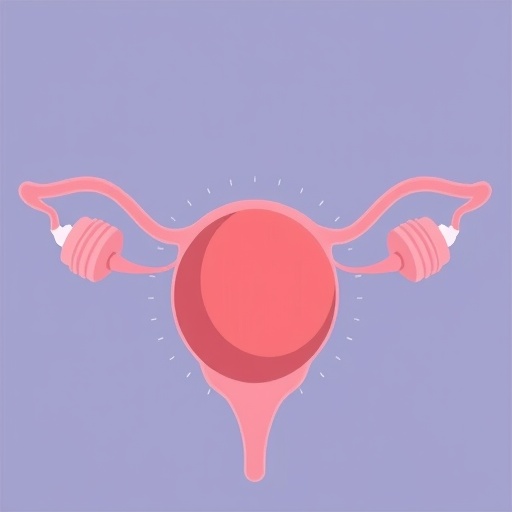
Endometriosis, a complex and often debilitating condition affecting millions of women worldwide, poses significant challenges, particularly when it comes to effective management. Despite the availability of hormonal therapies intended to alleviate the pain and symptoms associated with endometriosis, many patients experience ineffectiveness or discontinuation of treatment due to adverse effects. Recent studies have delved into the multifaceted factors contributing to these challenges, shedding light on the intricacies of hormonal therapy and its role in managing endometriosis-associated pain.
Understanding endometriosis is crucial for grasping the impact of hormonal therapies. Endometriosis occurs when tissue similar to the lining of the uterus grows outside the uterus, leading to inflammation, pain, and various symptoms that can significantly impair quality of life. Hormonal therapies aim to regulate the hormonal imbalances that promote the growth of this tissue, thereby reducing pain and preventing further complications. However, the efficacy of these treatments can be markedly variable from one patient to another, leading to a necessity for deeper insights into why some therapies succeed while others fail.
One of the most salient findings relating to ineffective hormonal therapy involves individual differences in metabolism and hormonal responses. Genetic variations can influence how a patient’s body metabolizes hormones or responds to endocrine interventions. This variability underscores the importance of personalized medicine in treating endometriosis. Understanding a patient’s unique genetic makeup could pave the way for more targeted therapies, reducing the trial-and-error process that often accompanies the management of this condition.
Equally significant are psychosocial factors that affect a patient’s response to hormonal therapy. Psychological well-being is intricately linked to physical health, and women with endometriosis often face anxiety, depression, and stigma surrounding their condition. These psychological burdens can exacerbate the perception of pain and influence treatment adherence. Moreover, the experience of side effects from hormonal therapies might be interpreted through the lens of these psychological challenges, affecting how women manage their treatment regimens.
The side effects associated with hormonal therapy are a prominent reason for discontinuation among patients. Many women report experiences such as weight gain, mood swings, and nausea, which can be discouraging. Such adverse effects highlight the need for healthcare providers to communicate openly with patients regarding the potential risks and benefits of therapy. Empowering women with adequate information allows them to make informed choices about their treatment plans, aligning expectations with reality and fostering a collaborative relationship between patients and healthcare providers.
Another crucial aspect falling under scrutiny is the timing of therapy initiation. Starting hormonal treatment early in the course of endometriosis can lead to better management of symptoms and might prevent the progression of the disease. Delays in initiating treatment often result in chronic pain and significant complications, compounding the challenges faced by patients. This highlights the importance of prompt diagnosis and the development of streamlined protocols for initiating therapy in suspected endometriosis cases.
Adherence to treatment over time also emerges as a critical factor influencing the success of hormonal therapy. Many women experience fluctuations in their symptoms, leading to the belief that hormonal therapy is ineffective or unnecessary at times. This cyclical nature of endometriosis can cause women to become disengaged from their treatment plans. Education surrounding the chronic nature of endometriosis and the importance of consistent therapy may enhance adherence and ultimately improve outcomes.
Healthcare access and education also play a pivotal role in managing endometriosis effectively. In many regions, societal stigma still exists around discussing menstruation and reproductive health, leading to hesitance in seeking care. Furthermore, disparities in healthcare access can exacerbate the inconsistent management of endometriosis. Comprehensive educational programs aimed at both patients and healthcare providers can serve to dismantle these barriers, creating a more supportive environment conducive to effective treatment.
In considering the broader implications of hormonal therapy ineffectiveness, it is essential to reflect on the economic burden of endometriosis. The costs associated with ongoing treatment, diagnostic delays, and lost work productivity can accumulate significantly over time. As such, improving the efficacy of hormonal therapies could bear not only individual health implications but also financial impacts that reverberate throughout healthcare systems. Efforts directed at understanding and enhancing treatment efficacy are thus not just a clinical necessity but also an economic imperative.
Ultimately, the conversation surrounding hormonal therapy for endometriosis requires a multifaceted approach. Engaging with the lived experiences of women suffering from this condition can provide invaluable insights into how therapies are received and the barriers faced in managing endometriosis. Furthermore, interdisciplinary collaboration among researchers, healthcare providers, and patients is essential to foster innovative solutions tailored to the complex nature of endometriosis.
In conclusion, the journey towards effective management of endometriosis-associated pain is marked by numerous complexities, from individual physiological differences to societal influences and economic considerations. Acknowledging these factors is imperative as the medical community strives to refine hormonal therapies, ensuring they are more effective and tolerable for a diverse patient population. As research progresses, hope remains for breakthroughs that will significantly improve the quality of life for those affected by this challenging condition.
Emphasizing the need for continuous research and patient-centered care, it is evident that understanding the underpinnings of hormonal therapy ineffectiveness is not merely academic—it’s a necessity that could redefine the future of endometriosis treatment. Collaboration, innovation, and a commitment to addressing the holistic needs of patients will be paramount in this pursuit.
Fayek, B., Liu, Y.D., Williams, C. et al. Factors Affecting Hormonal Therapy Ineffectiveness and Discontinuation due to Adverse Effects in Patients with Endometriosis-Associated Pain.
Reprod. Sci. (2025). https://doi.org/10.1007/s43032-025-01947-y
Cite Scienmag News
Ophelia Keating. (August 28, 2025). Challenges of Hormonal Therapy in Endometriosis Patients. Scienmag. https://scienmag.com/challenges-of-hormonal-therapy-in-endometriosis-patients/
Ophelia Keating. "Challenges of Hormonal Therapy in Endometriosis Patients." Scienmag, 28 August 2025, https://scienmag.com/challenges-of-hormonal-therapy-in-endometriosis-patients/. Accessed 4 September 2026.
Ophelia Keating. "Challenges of Hormonal Therapy in Endometriosis Patients." Scienmag. August 28, 2025. https://scienmag.com/challenges-of-hormonal-therapy-in-endometriosis-patients/


