


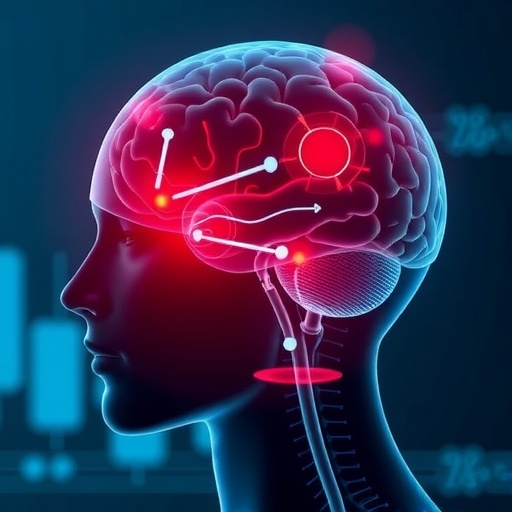
In the rapidly evolving landscape of psychiatric treatment, deep brain stimulation (DBS) emerges as a beacon of hope, promising relief for patients resistant to conventional therapies. Yet, despite its potential, the actual implementation of DBS in psychiatric practice remains fraught with complexity, as a recent systematic review meticulously explores the multifaceted barriers and facilitators influencing this cutting-edge intervention. The review, authored by Karaszewska, Beunk, Mol, and colleagues, delves into the intricate dynamics that govern the translation of DBS from experimental therapy to mainstream clinical application in psychiatric disorders, providing crucial insights into one of modern medicine’s most challenging frontiers.
Deep brain stimulation, originally developed for neurological conditions such as Parkinson’s disease, involves the surgical implantation of electrodes that deliver controlled electrical impulses to strategic brain regions. This technique modulates neural circuits implicated in psychiatric pathologies like depression, obsessive-compulsive disorder, and others. Although the neurophysiological rationale is compelling and supported by emerging clinical trial data, the transition of DBS into psychiatric care remains a slow and contested process. This slowing can be attributed not only to technical and regulatory hurdles but also to deep-seated ethical, societal, and institutional factors.
The review systematically categorizes the barriers obstructing DBS implementation into distinct but interrelated domains. Regulatory uncertainty is paramount; psychiatric DBS lacks broad approval across various jurisdictions, primarily due to the limited scale and inherent complexities of clinical trials in these populations. The challenge of validating efficacy while ensuring patient safety underpins cautious regulatory stances, which then affect funding and insurance reimbursement models. This regulatory bottleneck restricts access and disincentivizes healthcare institutions and practitioners from investing in DBS infrastructure.
Technical barriers also play a vital role. The exact neural targets for psychiatric disorders are less established than for movement disorders, complicating surgical planning and outcome predictability. Moreover, patient selection criteria remain poorly defined, necessitating sophisticated neuropsychological and neuroimaging evaluations that are resource-intensive and not universally available. The procedure demands highly specialized multidisciplinary teams, combining neurosurgery, psychiatry, neurophysiology, and ethical expertise—capabilities that many centers lack.
Ethical concerns form another substantial barrier highlighted in the review. Psychiatrists and patients grapple with the invasive nature of DBS, potential personality alterations, and the broader implications of intervening directly in brain circuitry linked to cognition and mood. Historically, neuropsychiatric treatments have been accompanied by skepticism and stigma, which continue to influence both patient willingness and provider enthusiasm. The concept of “mind control” or altering the self raises profound ethical debates that require transparent patient education and shared decision-making processes.
Institutional and cultural factors also shape DBS adoption. In many healthcare settings, the infrastructure for comprehensive psychiatric evaluation and follow-up care post-surgery is insufficient. Additionally, interdisciplinary collaboration can be hindered by traditional silos separating neurology, psychiatry, and surgery. This fragmentation undermines cohesive treatment protocols and continuity of care, essential for managing the complex trajectories of psychiatric patients undergoing DBS.
Conversely, the review identifies pivotal facilitators that could accelerate DBS integration into psychiatric treatment paradigms. Advancements in neuroimaging and neurophysiology have refined target localization and enhanced understanding of neural networks implicated in psychopathology, providing a stronger scientific foundation for DBS application. Technological progress in device design, including adaptive stimulation capable of real-time brain activity monitoring, promises to optimize efficacy and minimize side effects.
Institutional commitment emerges as a crucial facilitator. Centers of excellence that foster multidisciplinary collaboration, invest in training, and emphasize ethical frameworks serve as incubators for robust DBS programs. Patient advocacy and education campaigns also play a vital role in reducing stigma and fostering informed acceptance of DBS. As awareness grows, so does demand, which in turn motivates healthcare systems to allocate resources accordingly.
Emerging clinical evidence from well-designed trials further bolsters confidence in DBS’s therapeutic promise. Meta-analyses indicate significant symptom improvements in treatment-resistant conditions, with acceptable safety profiles when patient selection and procedural protocols are rigorously adhered to. As data accumulates, it aids regulatory bodies in refining approval pathways, insurance companies in developing reimbursement frameworks, and clinicians in establishing best practices.
The review also emphasizes the importance of longitudinal data collection to understand the long-term effects of DBS in psychiatric populations. Chronic disease management requires comprehensive outcome monitoring, addressing not only symptom alleviation but also quality of life, functional recovery, and psychosocial adjustment. This holistic approach is integral to demonstrating the value of DBS beyond immediate clinical improvements.
From a research perspective, the review recommends continued investment in mechanistic studies to unravel the neural substrates modulated by DBS. Understanding the neurobiological underpinnings will foster the development of personalized stimulation protocols, tailoring treatments to individual pathology and neuroanatomy. Precision medicine approaches promise to reduce variability in responses and enhance therapeutic outcomes.
Moreover, ethical frameworks must evolve in tandem with scientific progress. Informed consent processes tailored to neuropsychiatric patients, ongoing ethical oversight, and the inclusion of patient and family voices in care decisions are essential. Transparent communication about risks, benefits, and uncertainties builds trust, a cornerstone for successful DBS implementation.
In summary, the systematic review by Karaszewska et al. offers a comprehensive roadmap delineating the complex interplay of scientific, ethical, institutional, and societal factors influencing the adoption of deep brain stimulation for psychiatric disorders. While formidable barriers remain, the identification of tangible facilitators provides a strategic blueprint to accelerate translation from promising research to widespread clinical application. This evolution holds profound implications for addressing the immense burden of treatment-resistant psychiatric illnesses, potentially redefining therapeutic paradigms and restoring hope to millions of patients and their families.
The journey toward integrating DBS into psychiatric practice underscores the quintessential challenge of high-tech medicine: bridging pioneering neuroscience with real-world healthcare delivery. Success hinges on collaboration across disciplines, patient-centered care models, and adaptive regulatory frameworks that embrace innovation without compromising safety. As the field progresses, DBS may well unlock unprecedented possibilities for neuropsychiatric healing, transforming the mental health landscape for generations to come.
Cite Scienmag News
Glenn Wilkins. (May 13, 2026). Challenges and Boosts in Deep Brain Stimulation Implementation. Scienmag. https://scienmag.com/challenges-and-boosts-in-deep-brain-stimulation-implementation/
Glenn Wilkins. "Challenges and Boosts in Deep Brain Stimulation Implementation." Scienmag, 13 May 2026, https://scienmag.com/challenges-and-boosts-in-deep-brain-stimulation-implementation/. Accessed 3 September 2026.
Glenn Wilkins. "Challenges and Boosts in Deep Brain Stimulation Implementation." Scienmag. May 13, 2026. https://scienmag.com/challenges-and-boosts-in-deep-brain-stimulation-implementation/


