


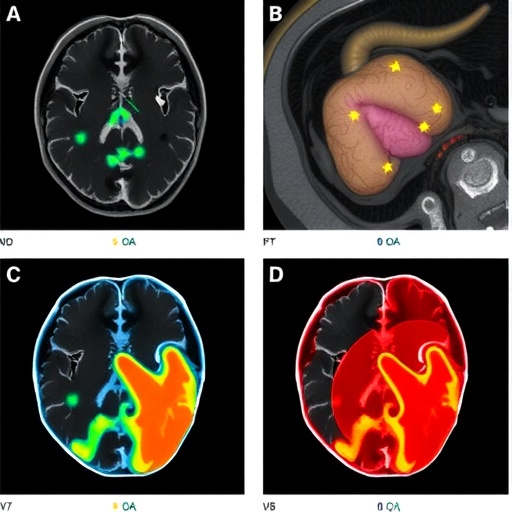
In the high-stakes environment of pediatric cardiac surgery, maintaining optimal cerebral perfusion is paramount. Neonates and infants undergoing open heart surgery experience a delicate balance of cerebral blood flow that must be vigilantly managed to prevent neurologic injury. A groundbreaking study published in Pediatric Research now sheds light on cerebral autoregulation (CAR) during cardiopulmonary bypass (CPB) in this vulnerable population, opening a window into how clinicians might tailor perfusion pressures to better protect the developing brain.
Cardiopulmonary bypass, an essential component of many cardiac procedures, involves diverting blood away from the heart and lungs to an external machine that maintains circulation and oxygenation. While lifesaving, CPB introduces hemodynamic perturbations that can challenge cerebral blood flow regulation. Particularly in neonates and infants, whose cerebral autoregulatory mechanisms are immature and variable, the lack of precise markers to guide perfusion pressures has been a long-standing clinical conundrum. This study, conducted by Bourgoin, Beqiri, Smielewski, and colleagues, addresses this gap by systematically mapping global cerebral autoregulation patterns and delineating hemodynamic metrics derived from large-scale monitoring during CPB.
By deploying advanced neuromonitoring techniques, including near-infrared spectroscopy and transcranial Doppler ultrasound, the investigators continuously assessed cerebral autoregulatory capacity throughout surgery. Their methodological innovation lay not only in real-time monitoring but in harmonizing various metrics to create a comprehensive portrait of cerebrovascular behavior under stress. The study cohort encompassed a broad range of pediatric ages and cardiac pathologies, enhancing the robustness and clinical relevance of their findings to everyday practice.
One of the pivotal discoveries was the identification of distinct global patterns in cerebral autoregulation across the cohort. Despite shared circulatory support, neonates and infants did not conform to a uniform response; rather, autoregulatory thresholds fluctuated widely. Such heterogeneity suggests the inadequacy of “one-size-fits-all” targets for mean arterial pressure (MAP) during bypass. Instead, the data advocate for individualized perfusion pressure goals, informed by continuous CAR monitoring, to optimize cerebral oxygen delivery and minimize ischemic insults.
The authors further elucidated hemodynamic metrics capable of predicting deviations from optimal autoregulatory states. Parameters such as the cerebral oximetry index (COx) demonstrated promise as real-time indicators of autoregulatory integrity. Importantly, these metrics enabled the delineation of pressure ranges where cerebral blood flow remained autoregulated—a concept fundamental to preserving neuronal viability during surgery. This nuanced approach could transform intraoperative care paradigms, informing anesthetic and perfusionist interventions aimed at cerebral protection.
Challenges to the widespread implementation of cerebral autoregulation monitoring in pediatric cardiac surgery remain, chiefly due to technical and interpretative complexities. The study’s large cohort investigation underscores that while feasible, deploying CAR monitoring on a broad scale requires meticulous calibration, expertise, and integration within multidisciplinary teams. Nonetheless, the prospect of improved neurologic outcomes through tailored hemodynamic management is a strong motivator to overcome these hurdles.
The implications of this research ripple beyond the operating room. Neurological sequelae following neonatal and infant cardiac surgery can have lifelong consequences, affecting cognitive development, motor function, and quality of life. By refining our understanding of cerebral hemodynamics during CPB, this study provides a blueprint for reducing adverse neurologic events, contributing to enhanced survival with better neurodevelopmental trajectories.
Moreover, the study opens avenues for incorporating machine learning and artificial intelligence to interpret complex autoregulation data streams in real time. Automated systems could alert clinicians to early signs of impaired autoregulation, prompting proactive adjustments in perfusion pressures or anesthetic management. This fusion of cutting-edge technology with clinical insight heralds a new era of precision medicine in pediatric cardiac care.
This research aligns with emerging trends emphasizing the physiological individuality of patients and the need for dynamically adaptable treatment strategies. As the field moves away from rigid protocols toward more refined and responsive approaches, cerebral autoregulation monitoring stands out as a key instrument in the surgeon’s and intensivist’s toolkit.
Future studies building on these findings will likely explore longitudinal neurodevelopmental outcomes correlated with intraoperative CAR metrics, validating their predictive power and clinical utility. Integration with multimodal monitoring—including EEG and systemic hemodynamics—could create comprehensive monitoring platforms facilitating holistic cerebral protection.
The determination of optimal perfusion pressure targets during CPB in neonates and infants is evolving from an estimation to a science grounded in personalized physiology. The work by Bourgoin and colleagues represents a significant leap forward, emphasizing that cerebral autoregulation is not just an academic concept but a practical guide for improving pediatric cardiac surgical outcomes.
In conclusion, the meticulous charting of cerebral autoregulatory landscapes in neonates and infants undergoing cardiopulmonary bypass ushers in a paradigm shift toward individualized cerebral perfusion management. This advancement promises not merely improved surgical survival but enhanced quality of life through the preservation of neurologic function. As neuromonitoring technologies become more accessible and integrated, the potential to standardize personalized perfusion strategies holds transformative prospects for pediatric cardiac surgery worldwide.
Cite Scienmag News
Harold Sullivan. (September 26, 2025). Cerebral Autoregulation Patterns in Neonatal Heart Surgery. Scienmag. https://scienmag.com/cerebral-autoregulation-patterns-in-neonatal-heart-surgery/
Harold Sullivan. "Cerebral Autoregulation Patterns in Neonatal Heart Surgery." Scienmag, 26 September 2025, https://scienmag.com/cerebral-autoregulation-patterns-in-neonatal-heart-surgery/. Accessed 4 September 2026.
Harold Sullivan. "Cerebral Autoregulation Patterns in Neonatal Heart Surgery." Scienmag. September 26, 2025. https://scienmag.com/cerebral-autoregulation-patterns-in-neonatal-heart-surgery/


