

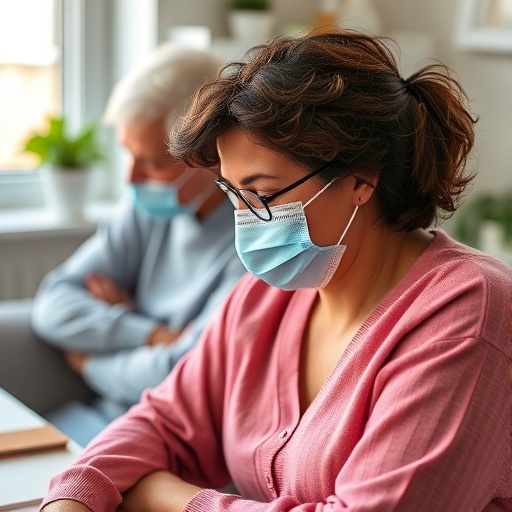
As the global community grapples with the aftereffects of the COVID-19 pandemic, a profound spotlight has emerged on vulnerable populations, notably cancer patients, who have endured unique psychosocial challenges throughout this tumultuous period. A groundbreaking study recently published in Medical Oncology delves deeply into the psychosocial experiences of cancer patients amid the COVID-19 era, unveiling lasting implications that could reshape the oncology landscape for years to come.
This comprehensive research systematically explores how the pandemic, with its unprecedented disruptions and societal shifts, has influenced the mental and emotional well-being of individuals battling cancer. The COVID-19 pandemic introduced multifaceted stressors—ranging from the fear of infection due to immunocompromised status to the interruptions in treatment and care delivery—that converged to create a nuanced psychosocial health crisis within this demographic.
Cancer patients, already burdened with the profound psychological impacts of their diagnosis and treatment regimen, faced considerable disruptions in their routine medical care. Healthcare systems’ shift toward prioritizing COVID-19 cases led to delayed or modified oncology treatment plans. This deviation not only posed physical health risks but also intensified anxiety and uncertainty, as patients grappled with the possibility of disease progression alongside a backdrop of global health instability.
The study employs rigorous qualitative and quantitative analyses to unpack the complex web of psychosocial stressors manifested in anxiety, depression, social isolation, and altered coping mechanisms. It reveals that social distancing mandates and reduced in-person support networks significantly eroded patients’ sense of community and emotional resilience. The lack of physical presence from family and peers, coupled with restricted access to counseling and support groups, exacerbated feelings of loneliness and despair.
One of the pivotal findings underscores how telemedicine, while a critical stopgap measure, posed both opportunities and limitations. Virtual consultations ensured continuity of care but were often unable to replicate the nuanced empathy and reassurance provided in-person. Technical barriers and the intangible loss of human connection in digital interactions sometimes heightened patients’ psychological distress, highlighting the urgent need for optimizing telehealth modalities in oncology.
Further analysis reveals the exacerbation of psychosocial disparities among cancer patients, heavily influenced by socioeconomic status, geographic location, and access to healthcare resources. Vulnerable subgroups, including those from underserved communities, faced disproportionately higher levels of distress, hindered by limited healthcare access and digital divides, reinforcing entrenched inequities during the pandemic.
The research delves into neuropsychological underpinnings, examining how chronic stress related to pandemic uncertainties may biologically interact with cancer pathophysiology. Stress-induced immunosuppression, altered neuroendocrine function, and systemic inflammation are potential mechanisms that could influence cancer progression, positioning psychological welfare as a crucial aspect of comprehensive oncological care.
Drawing attention to the healthcare professionals themselves, the study notes elevated burnout rates and emotional fatigue among oncology providers. The dual challenge of managing cancer care within an evolving pandemic context intensified workload stress, potentially impacting the quality of psychosocial support delivered to patients. This underscores a holistic need to support not only patients but also healthcare teams within oncology ecosystems.
Importantly, the findings advocate for integrating psychosocial resilience-building strategies as standard care components in oncology. Interventions such as cognitive-behavioral therapies, mindfulness practices, and structured support systems are posited as viable approaches to mitigate long-term psychological sequelae exacerbated by the pandemic environment.
The study also highlights the critical necessity for developing robust, adaptable frameworks to manage future healthcare crises. The COVID-19 experience has illuminated vulnerabilities in current oncological infrastructures regarding the maintenance of psychosocial services under duress. Recommendations call for embedding flexibility and redundancy in healthcare delivery models to safeguard patient well-being amidst unforeseen disruptions.
Additionally, the research encourages harnessing technological innovation responsibly, suggesting hybrid care models that blend telehealth with intermittent in-person touchpoints to maximize efficacy and emotional engagement. This approach could significantly enhance access to mental health resources, especially for geographically isolated patients or those with mobility constraints.
From a policy perspective, the study encourages healthcare leaders and policymakers to prioritize funding and resource allocation for psychosocial oncology. Emphasizing the intersectionality of cancer care and mental health, it calls for comprehensive insurance coverage and community-based programs designed to address heightened psychological vulnerabilities revealed during the pandemic.
Moreover, the research underscores the importance of patient education and empowerment. Equipping patients with accurate information and coping tools helps alleviate fears triggered by pandemic uncertainties and treatment modifications. Educational outreach also fosters trust in evolving care modalities, a critical factor for adherence and well-being.
This nuanced examination of psychosocial dynamics during the COVID-19 era challenges the oncology community to reimagine holistic cancer care that transcends tumor biology. It envisions a care paradigm that equally prioritizes emotional and mental health outcomes, recognizing their profound influence on treatment success and quality of life.
In conclusion, the study presents compelling evidence that the psychosocial reverberations of the COVID-19 pandemic among cancer patients are not transient phenomena but enduring challenges requiring strategic and compassionate responses. It illuminates pathways for innovation, empathy, and resilience in oncology, ultimately advocating for a patient-centered model that can withstand future global health adversities.
As oncology battles continue to evolve post-pandemic, this research serves as an urgent call to action—challenging healthcare systems worldwide to integrate comprehensive psychosocial support as an inseparable pillar of cancer care. Only through such integrative efforts can the full spectrum of cancer patients’ needs be met in an increasingly volatile global health context.
Subject of Research: Psychosocial experiences of cancer patients across the COVID-19 pandemic and their lasting implications for oncology care.
Article Title: Psychosocial experiences of cancer patients across the COVID-19 era: Lasting implications for oncology.
Article References:
Tanriverdi, O., Kaygisiz, A.O., Karaoglu, T. et al. Psychosocial experiences of cancer patients across the COVID-19 era: Lasting implications for oncology. Med Oncol 43, 73 (2026). https://doi.org/10.1007/s12032-025-03201-6
Image Credits: AI Generated


