

A groundbreaking study recently published in Cell Reports reveals an unexpected role for the well-known immune checkpoint protein PD-L1 in combating influenza infection, challenging long-held perceptions of its function within the immune system. Traditionally viewed as a molecular shield employed by tumors to evade immune destruction, PD-L1 is now implicated in enhancing the antiviral capacity of natural killer (NK) cells, particularly in contexts of compromised adaptive immunity. This paradigm-shifting discovery emerges from sophisticated research conducted at The Jackson Laboratory for Genomic Medicine, illuminating potential therapeutic avenues for managing severe respiratory viral infections, especially in immunodeficient populations.
For decades, PD-L1 (Programmed Death-Ligand 1) has been understood primarily in the context of cancer immunology, where its interaction with PD-1 receptors on T cells inhibits aggressive immune responses, fostering tumor survival. Immune checkpoint inhibitors targeting this interaction have revolutionized cancer treatment by reactivating anti-tumor immunity. However, this new research pivots from that understanding, demonstrating that PD-L1, when expressed on NK cells in the lung, acts as an intrinsic molecular switch that enhances these cells’ ability to eliminate influenza-infected cells. This mechanism operates independently from the PD-1 pathway, indicating a dual functionality for PD-L1 dependent on cellular context.
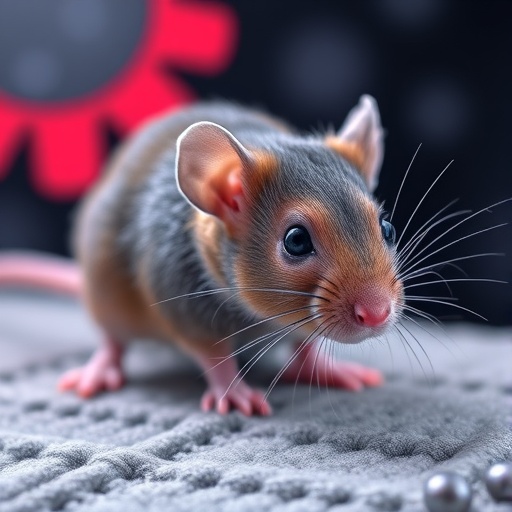
The investigative team utilized mouse models genetically engineered to lack T and B lymphocytes, effectively stripping away adaptive immune responses and leaving innate immunity – mediated by NK cells – as the primary antiviral defense. This model was critical for isolating the role of PD-L1 on innate immune effectors. Following influenza infection, these immunodeficient mice exhibited robust PD-L1 expression on lung-residing NK cells. Upon administration of a PD-L1-activating antibody, the mice demonstrated significantly improved survival rates. Crucially, this antiviral protection occurred without exacerbating lung inflammation or damage, suggesting that PD-L1 activation enhances viral clearance while maintaining tissue integrity.
Mechanistic analysis revealed that PD-L1 signaling in NK cells upregulates the expression of tumor necrosis factor-related apoptosis-inducing ligand (TRAIL), a cytotoxic molecule that induces apoptosis selectively in virus-infected cells. This TRAIL-dependent cytolytic pathway represents a critical effector function by which NK cells limit viral spread and mitigate infection severity. Intriguingly, assessment of human lung tissue and peripheral blood samples from patients with COVID-19 showed elevated PD-L1 and TRAIL co-expression in NK cells, implying conservation of this antiviral axis beyond murine models and across different respiratory viral pathogens.
This research confronts the previously narrow conception of PD-L1 solely as an immune suppressive molecule in cancer, proposing instead that PD-L1’s role is contextually nuanced within the immune landscape. In the tumor microenvironment, PD-L1 acts primarily as a metabolic checkpoint to blunt T cell activation, thereby protecting malignant cells. In contrast, within the lung’s innate immune environment, PD-L1 serves as a positive regulator of NK cell effector functions, enhancing antiviral defense mechanisms. This dual functionality underscores the complexity of immune checkpoint biology and may help explain clinical observations where PD-L1 and PD-1 inhibitors yield differing therapeutic outcomes.
Importantly, these findings carry significant translational implications. By harnessing PD-L1 signaling, it may be possible to develop novel immunomodulatory therapies that bolster host defenses against influenza and potentially other severe viral infections, especially in patients with compromised T cell responses, such as individuals with HIV/AIDS or those undergoing immunosuppressive chemotherapy. The prospect of therapeutic PD-L1 activation to potentiate innate immunity represents a paradigm shift, complementary but antithetical to current PD-L1 blockade strategies in oncology.
Future research will aim to delineate how PD-L1 functions within lungs possessing full complement of immune cells, including PD-1-expressing T and B lymphocytes. Understanding the interplay between innate and adaptive immune checkpoints in a competent immune system would offer deeper insights into immunological homeostasis during respiratory viral infections. Moreover, unraveling the intracellular signaling pathways triggered by PD-L1 engagement in NK cells could identify druggable targets downstream of PD-L1, facilitating precision immunotherapy development.
This investigation also prompts reevaluation of immune checkpoint pathways within the broader disease context, as differential expression and activity of molecules like PD-L1 may hold dual or even multiple roles depending on cellular origin and disease state. The revelation that PD-L1 can act as an activating, rather than inhibitory, molecule in innate antiviral responses invites a more nuanced approach to immune checkpoint-targeted therapies beyond oncology, extending into infectious diseases.
In sum, the study spearheaded by Silke Paust and colleagues fundamentally reshapes our understanding of the immune checkpoint protein PD-L1, revealing it as an intrinsic switch that potentiates natural killer cell-mediated, TRAIL-dependent antiviral activity in influenza infection. This novel insight bridges cancer immunology and infectious disease research, opening exciting therapeutic possibilities and broadening the conceptual framework surrounding immune regulation in health and disease.
Subject of Research: Animals
Article Title: PD-L1 is an intrinsic switch for natural killer cell-mediated, TRAIL-dependent antiviral function
News Publication Date: 29-Jan-2026
Web References:
https://dx.doi.org/10.1016/j.celrep.2026.116939
References:
Published in Cell Reports, DOI: 10.1016/j.celrep.2026.116939
Image Credits: The Jackson Laboratory
Keywords:
Influenza, Infectious diseases, Cancer immunology, Cancer immunotherapy, T cell deficiency, Immunodeficiency, Immune system, Immune response


