


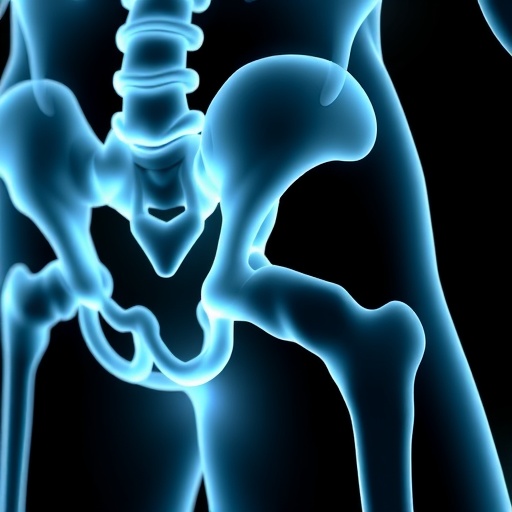
Developmental dysplasia of the hip (DDH) remains a perplexing and impactful congenital condition, characterized by an abnormal formation of the hip joint that disrupts both posture and locomotion. This disorder manifests with varying degrees of severity, from slight laxity to complete dislocation of the hip joint, and symptoms can often be detected within the earliest weeks of life. Notably, individuals diagnosed with DDH face a significantly elevated risk of developing hip osteoarthritis (OA) later in life, largely due to abnormal biomechanical stresses and wear patterns on the joint caused by the initial developmental malformation.
A crucial element of DDH’s pathogenesis lies in genetic predisposition. It is well established that a person with a family history—specifically a parent or sibling affected by DDH—has approximately a twelvefold increased likelihood of developing the condition themselves. This familial clustering strongly suggests that inherited genetic variants play a pivotal role in DDH susceptibility. Prompted by this observation, a collaborative international research effort spearheaded by Dr. Ryosuke Yamaguchi of Kyushu University and Dr. Chikashi Terao from the RIKEN Center for Integrative Medical Sciences undertook an ambitious project to explore whether these genetic factors linking DDH could also influence the development and progression of hip OA.
Their cutting-edge investigation employed a genome-wide association study (GWAS) approach to meticulously search for shared genetic variants that correlate with both DDH and hip OA, while at the same time absent in individuals exhibiting healthy joints. This multi-institutional research amalgamated data from diverse populations across Japan and the United Kingdom to maximize genetic diversity and statistical power. The study initially analyzed genetic markers in cohorts split by severity: those exhibiting hip dysplasia without dislocation and those with total dislocation, followed by a large-scale meta-analysis incorporating over 350,000 samples from Europe. This represented the largest GWAS conducted to date in this area, positioning it as a landmark in genetic orthopedics research.
The findings elucidated three critical gene loci that demonstrated a shared influence on both DDH and hip OA. Among these, COL11A2 encodes a vital protein chain integral to the collagen matrix, CALN1 encodes a calcium-binding protein involved in cellular signaling, and TRPM7 encodes a regulator of magnesium and calcium ion homeostasis crucial for bone regeneration processes. Intriguingly, the effects of COL11A2 and CALN1 variants exhibited differential impacts on hip dysplasia phenotypes, distinguishing between those with and without hip dislocation. Dr. Yamaguchi explains that, “In total, nine loci were identified across DDH and its subtypes, revealing a largely shared polygenic architecture but also unique genetic signatures distinguishing hip dysplasia without dislocation from dislocation cases.” This refined understanding highlights the complex genetic underpinnings of the disorder and its heterogeneous presentation.
Further genomic analyses unveiled additional genes implicated in bone cell proliferation and remodeling, directly aligning with pathological changes seen in osteoarthritic joints. These genes, already recognized for their involvement in aberrant ossification and cartilage degradation characteristic of hip OA, reinforce the biological continuum between DDH and secondary osteoarthritis. Moreover, the research spotlighted shared variations within non-coding DNA regions—genomic segments that regulate gene expression without coding for proteins—suggesting that epigenetic and transcriptional regulation anomalies may be a common mechanism driving both DDH and OA.
This genetic link between DDH and hip OA carries profound clinical implications. Approximately seventy percent of Japanese patients diagnosed with hip osteoarthritis have underlying DDH, underscoring the extensive overlap and the importance of early detection and intervention. Dr. Terao emphasizes that their findings open exciting avenues for future “multi-omics” studies, integrating genomics with tissue-specific gene expression profiles, chromatin accessibility patterns, and three-dimensional chromatin structure mapping, particularly within chondrocytes—the cells responsible for cartilage maintenance and regeneration. Such integrative approaches will be pivotal to unraveling the functional mechanisms that translate genetic risk into pathological manifestations.
Harnessing the insights into DDH’s genetic architecture offers promising prospects for tailored therapeutics. By targeting specific genetic pathways underlying each DDH subtype, it becomes possible to design precision medicine strategies aimed not only at correcting dysplasia but also at mitigating or delaying the onset of secondary hip OA. This paradigm shift from symptomatic management to molecularly guided interventions could transform clinical outcomes, offering patients dramatically improved quality of life and functional longevity.
The research draws on a foundation of rigorous methodology, leveraging the largest GWAS meta-analysis ever assembled for these conditions. This scale provides robust statistical confidence and broad applicability across populations, marking a significant advance in orthopedic genetics. By collaboratively combining expertise from Kyushu University and RIKEN, alongside international partners, the study exemplifies a new era of multidisciplinary and multinational research efforts tackling complex musculoskeletal disorders.
Dr. Ryosuke Yamaguchi, an accomplished researcher and orthopedic surgeon, champions the integration of clinical practice with pioneering genetic research. His extensive work in pediatric orthopedics and hip disorders bridges the gap between bench science and bedside applications, ensuring that genetic discoveries translate into tangible healthcare improvements. Similarly, Dr. Chikashi Terao’s leadership in statistical genetics and machine learning provides the analytical framework necessary to dissect the intricate genetic architecture embedded within large datasets, further enhancing the study’s scientific rigor.
In sum, this groundbreaking investigation not only illuminates the shared genetic terrain of developmental dysplasia of the hip and hip osteoarthritis but also paves the way for novel diagnostic and therapeutic strategies. As genetic research continues to elucidate the molecular etiology of musculoskeletal diseases, integrating these findings into clinical workflows promises to revolutionize patient care. The future of managing hip disorders hinges on embracing this genetic knowledge, which holds the key to unlocking personalized and effective treatments for conditions once deemed intractable.
Cite Scienmag News
Juliet Wilcox. (April 21, 2026). Breakthrough Genetic Discoveries Unveil New Perspectives on Developmental Dysplasia of the Hip. Scienmag. https://scienmag.com/breakthrough-genetic-discoveries-unveil-new-perspectives-on-developmental-dysplasia-of-the-hip/
Juliet Wilcox. "Breakthrough Genetic Discoveries Unveil New Perspectives on Developmental Dysplasia of the Hip." Scienmag, 21 April 2026, https://scienmag.com/breakthrough-genetic-discoveries-unveil-new-perspectives-on-developmental-dysplasia-of-the-hip/. Accessed 4 September 2026.
Juliet Wilcox. "Breakthrough Genetic Discoveries Unveil New Perspectives on Developmental Dysplasia of the Hip." Scienmag. April 21, 2026. https://scienmag.com/breakthrough-genetic-discoveries-unveil-new-perspectives-on-developmental-dysplasia-of-the-hip/


