


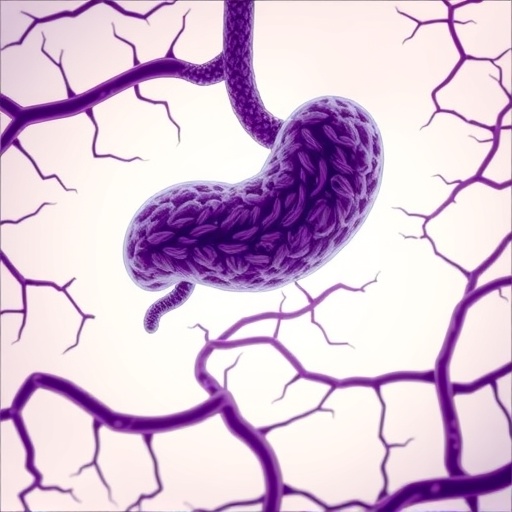
A groundbreaking discovery from the Institute of Science Tokyo is reshaping our understanding of insulinomas, rare tumors arising from the pancreatic islets that abnormally secrete insulin. At the heart of this revelatory research is the DOCK10 gene, identified as a pivotal driver behind aberrant insulin secretion. This insight not only sheds light on the molecular underpinnings of insulinomas but also heralds new avenues for therapeutic intervention and diagnosis.
Insulinomas have long posed a significant clinical challenge due to their unpredictable behavior and the severe hypoglycemia they induce through uncontrolled insulin release. Traditional diagnostic tools and treatments have faced limitations in effectively targeting the molecular mechanisms responsible for these tumors’ relentless hormonal output. The recent studies conducted by the team at the Institute of Science Tokyo delve deep into the genetic landscape of insulinomas, utilizing cutting-edge technologies that combine surgical specimen analysis with patient-derived organoid models.
Central to the investigation was the DOCK10 gene, a member of the dedicator of cytokinesis family, known for its role in modulating cell morphology and signal transduction pathways. Through comprehensive genetic and transcriptomic profiling, researchers uncovered that DOCK10 expression is substantially upregulated in insulinoma tissues compared to normal islet cells. This overexpression correlates strongly with heightened insulin secretion, suggesting a causal relationship.
To unravel the mechanistic pathways, the team employed patient-derived insulinoma organoids—three-dimensional cell cultures that accurately mimic the tumor microenvironment. These organoids allowed for meticulous functional studies, revealing that DOCK10 influences insulin release by modulating specific intracellular signaling cascades linked to vesicular trafficking and secretion. Notably, the aberrant activity of DOCK10 alters cytoskeletal dynamics, which play a critical role in the insulin secretory pathway.
Intriguingly, the researchers pinpointed a downstream effector pathway connected to DOCK10 activity. Pharmacological inhibition targeting this pathway in both cellular and animal models yielded a marked reduction in the excessive insulin secretion characteristic of insulinomas. This discovery is monumental because it transitions DOCK10 from a mere biomarker to a viable therapeutic target, paving the way for precision medicine tailored to halt pathological insulin release.
The study’s methodological rigor combined next-generation sequencing technologies with advanced bioinformatics to decode the complex gene expression profiles that define insulinoma cells. These data were then integrated with functional assays that assessed insulin granule dynamics and secretion rates, establishing a robust link between DOCK10 expression and insulin exocytosis.
From a clinical perspective, these findings unlock the potential for improved diagnostics. The upregulation of DOCK10 could serve as a biomarker to distinguish insulinomas from other pancreatic neuroendocrine tumors, which is crucial given the diverse clinical behaviors and treatment responses among these neoplasms. Additionally, monitoring DOCK10 levels might aid in tracking disease progression or recurrence post-surgery.
Furthermore, the development of inhibitors targeting the DOCK10-associated pathway offers a promising therapeutic strategy. Unlike general anti-insulin secretion drugs that risk impairing normal pancreatic function, selective inhibition of DOCK10 pathways could suppress pathological insulin secretion without compromising basal insulin levels, minimizing side effects.
This investigation also emphasizes the power of patient-derived organoids in cancer research. These models faithfully recapitulate individual tumor biology, allowing researchers to screen targeted agents effectively before clinical translation. The ability to test DOCK10 inhibitors on patient-specific tumor models accelerates personalized medicine approaches, potentially shortening the timeline from bench to bedside.
Beyond immediate clinical implications, the elucidation of DOCK10’s role in insulin secretion challenges existing paradigms of pancreatic tumor biology. It raises questions about the contribution of cytoskeletal regulators in hormone secretion disorders and encourages reevaluation of similar pathways in other neuroendocrine tumors.
The research team plans to extend their investigations by conducting clinical trials assessing DOCK10 pathway inhibitors’ safety and efficacy in humans. Moreover, longitudinal studies will determine whether DOCK10 expression levels correlate with patient outcomes, including response to surgery and recurrence risk.
In summary, the identification of DOCK10 as a key driver of abnormal insulin secretion revolutionizes our approach to insulinomas. By combining sophisticated genetic analyses, functional modeling, and pharmacological interventions, this study provides a comprehensive framework to diagnose, monitor, and treat insulinoma patients more effectively. The implications of this work reverberate beyond insulinomas, offering new insights into neuroendocrine tumor biology and therapeutic innovation.
The findings from the Institute of Science Tokyo mark a significant leap forward in combating one of the most enigmatic and challenging pancreatic tumors. With continued research and clinical validation, targeting the DOCK10 pathway could soon become a cornerstone of personalized therapy, offering hope for patients with insulinomas worldwide.
News Publication Date: Not provided
Web References: Not provided
References: Not provided
Cite Scienmag News
Nathaniel Bowman. (March 26, 2026). Breakthrough Discoveries in Rare Pancreatic Tumors Triggering Hypoglycemia. Scienmag. https://scienmag.com/breakthrough-discoveries-in-rare-pancreatic-tumors-triggering-hypoglycemia/
Nathaniel Bowman. "Breakthrough Discoveries in Rare Pancreatic Tumors Triggering Hypoglycemia." Scienmag, 26 March 2026, https://scienmag.com/breakthrough-discoveries-in-rare-pancreatic-tumors-triggering-hypoglycemia/. Accessed 4 September 2026.
Nathaniel Bowman. "Breakthrough Discoveries in Rare Pancreatic Tumors Triggering Hypoglycemia." Scienmag. March 26, 2026. https://scienmag.com/breakthrough-discoveries-in-rare-pancreatic-tumors-triggering-hypoglycemia/


