


In the ever-evolving landscape of neuro-oncology, the pursuit of precision medicine has become the beacon guiding researchers and clinicians alike toward more effective, personalized treatments for brain tumours. Central to this journey is the formidable challenge posed by the extraordinary heterogeneity and inherent complexity of brain tumours. Unlike many other cancer types, brain tumours exhibit a dynamic ecosystem, composed of diverse cell populations and intricate molecular interactions that fluctuate throughout disease progression and therapeutic intervention. Traditional experimental models, long the backbone of oncological research, often fall short in faithfully recapitulating these multifaceted properties, leaving a critical gap in our ability to predict clinical outcomes and tailor patient-specific therapies.
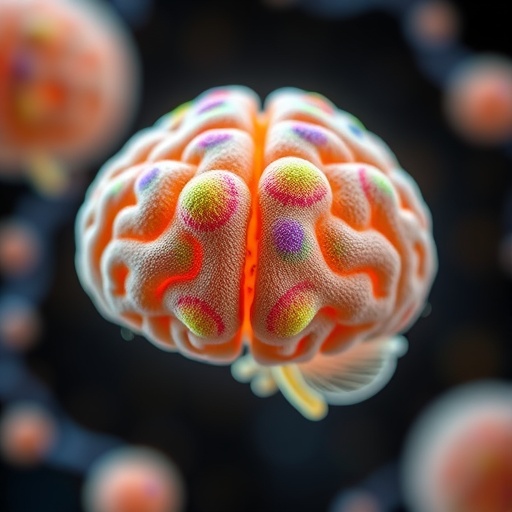
Enter the realm of organoids—three-dimensional, multicellular structures derived from stem cells that mimic the architecture and functionality of real organs. Over the past decade, organoid technology has revolutionized biomedical research by providing more physiologically relevant models than two-dimensional cell cultures or animal models. In neuro-oncology, the advent of brain tumour organoids represents a groundbreaking leap forward, offering unprecedented opportunities to capture the spatial, cellular, and molecular diversity of brain tumours in vitro. These tumour organoids serve as living avatars, embodying the unique profile of each patient’s malignancy while enabling controlled experimental manipulation.
Reviewing the latest advances, pioneering researchers have developed sophisticated methodologies to generate brain tumour organoids directly from patient-derived tumour samples across a spectrum of tumour types, including gliomas, medulloblastomas, and other central nervous system neoplasms. This approach preserves the genetic and epigenetic landscape of the original tumour, as well as key microenvironmental features such as cellular heterogeneity, extracellular matrix composition, and even immune cell infiltration in some models. As a result, these organoids provide an exquisitely faithful representation of tumour biology, far surpassing the limitations of traditional models.
Scientists have leveraged these organoid systems to dissect fundamental mechanistic questions about tumour initiation and progression. By capturing the early stages of tumour development within a controlled environment, researchers can observe how specific genetic mutations and cellular interactions drive oncogenesis. Moreover, the ability to manipulate the genome or microenvironment in organoids through cutting-edge tools such as CRISPR-Cas9 genome editing further elucidates the pathways underpinning tumour aggressiveness and therapy resistance. This growing mechanistic insight lays the groundwork for the identification of novel therapeutic targets and biomarkers.
Beyond foundational biology, brain tumour organoids are proving invaluable for functional drug screening and therapeutic stratification. The diverse cellular makeup and preserved tumor heterogeneity within organoids allow for a more accurate evaluation of drug efficacy and toxicity than cell lines or animal models. High-throughput platforms integrating organoids enable researchers to test numerous compounds or drug combinations rapidly, identifying tailored treatment regimens that maximize efficacy while minimizing adverse effects. Importantly, these platforms also facilitate the study of acquired resistance mechanisms, a scourge in brain tumour management, by enabling longitudinal treatment monitoring within the organoid culture.
In the clinical context, integrating organoid technology into patient care strategies is ushering in a new era of co-clinical trials. In these scenarios, tumour organoids derived from individual patients are generated parallel to standard clinical treatment, allowing for real-time assessment of therapy responsiveness. This dual approach has the potential to refine treatment selection dynamically, ensuring that patients receive the most effective interventions based on functional evidence rather than static molecular snapshots alone.
Furthermore, advances in bioengineering and microfluidics have expanded the sophistication of tumour organoid models. Incorporating vascular-like networks, immune cell populations, and stromal components into organoid cultures is enhancing their fidelity to in vivo conditions. Such integrated systems not only deepen our understanding of tumour-immune interactions but also open new avenues for testing immunotherapies and targeted treatments within a context that closely mimics human physiology.
Despite these exciting strides, challenges remain in standardizing organoid production and ensuring reproducibility across laboratories. The inherent variability associated with patient-derived materials, coupled with technical nuances in culture conditions, necessitates rigorous protocols and quality control measures. Addressing these issues is crucial for the widespread adoption of organoids as robust preclinical and clinical tools in neuro-oncology.
Looking forward, the convergence of single-cell multi-omics and organoid technology promises to unravel even greater layers of tumour complexity. By integrating genomics, transcriptomics, epigenomics, and proteomics at the single-cell level within organoids, researchers can capture dynamic cellular states and lineage trajectories that drive tumour behavior. This comprehensive molecular profiling will inform more precise therapeutic targeting and enable the discovery of previously unrecognized vulnerabilities.
The momentum of organoid research in brain tumours is catalyzing a paradigm shift in precision medicine, transforming how we model, understand, and treat these formidable malignancies. By faithfully recapitulating patient-specific tumour biology, organoids empower clinicians with actionable insights, accelerating the translation of laboratory discoveries into tangible clinical benefits. As this field continues to mature, it holds tremendous promise to significantly improve outcomes for patients afflicted with some of the most challenging and devastating cancers known.
In sum, brain tumour organoids are not merely experimental tools but are rapidly becoming integral components of the neuro-oncology precision medicine toolkit. They encapsulate the hope that personalized therapeutic strategies can be systematically developed and deployed based on a deep, mechanistic understanding of each tumour’s unique biology. With continued innovation and interdisciplinary collaboration, organoids may soon realize their full potential as transformative assets in the fight against brain cancer, heralding a new era of bespoke cancer therapy.
de Lucas Sanz, M., Niclou, S.P. & Golebiewska, A. Modelling brain tumours with organoids: towards precision medicine in neuro-oncology.
Nat Rev Neurol (2026). https://doi.org/10.1038/s41582-026-01190-2
Cite Scienmag News
Nathaniel Bowman. (March 10, 2026). Brain Tumor Organoids Advance Precision Neuro-Oncology. Scienmag. https://scienmag.com/brain-tumor-organoids-advance-precision-neuro-oncology/
Nathaniel Bowman. "Brain Tumor Organoids Advance Precision Neuro-Oncology." Scienmag, 10 March 2026, https://scienmag.com/brain-tumor-organoids-advance-precision-neuro-oncology/. Accessed 4 September 2026.
Nathaniel Bowman. "Brain Tumor Organoids Advance Precision Neuro-Oncology." Scienmag. March 10, 2026. https://scienmag.com/brain-tumor-organoids-advance-precision-neuro-oncology/


