


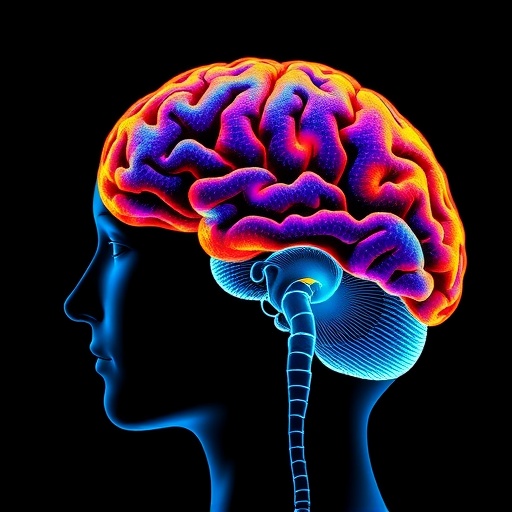
In a groundbreaking advancement in cognitive neuroscience, an international team of researchers has unveiled the most comprehensive brain maps to date linking general cognitive functioning with distinct neurobiological signatures. Published in Translational Psychiatry, this study delivers unprecedented insights into the neural architecture underlying intelligence and cognition by integrating cutting-edge neuroimaging modalities with sophisticated biological analyses. The work carries profound implications for understanding the mechanistic basis of cognition, potential interventions for cognitive decline, and the future of personalized brain health.
At the core of this research lies the ambitious goal to decode the neural substrates that universally contribute to general cognitive capabilities. General cognitive functioning, often operationalized as ‘g’ or general intelligence, reflects the shared variance across diverse cognitive tasks such as memory, reasoning, problem-solving, and attention. While decades of research have identified numerous brain regions implicated in these faculties individually, a unified map capturing the global neurobiological signature of cognition was elusive until now.
Leveraging multimodal neuroimaging data including high-resolution structural MRI, diffusion tensor imaging (DTI), and resting-state functional MRI (rs-fMRI), the researchers constructed detailed brain maps from a large cohort spanning diverse demographics. By correlating these imaging features with comprehensive psychometric assessments, they isolated consistent brain patterns predictive of overall cognitive performance. This integrative approach permitted a fine-grained characterization of the cortical and subcortical networks most critical for general cognitive aptitude.
One of the more striking findings emerged from analyses pinpointing specific white matter tracts that facilitate efficient interregional communication. The integrity and organization of these white matter pathways were robustly linked to higher cognitive scores, highlighting the importance of neural connectivity beyond isolated brain regions. Notably, pathways connecting frontal executive centers with posterior sensory and association cortices appeared to serve as critical conduits supporting complex information processing.
Functional connectivity analyses further revealed that highly interconnected network hubs within the default mode network (DMN), frontoparietal control network, and salience network coordinate dynamically during cognitive tasks requiring adaptive focus and cognitive flexibility. These patterns suggest a model in which balanced integration between specialized networks underpins versatile cognitive performance, enabling seamless transitions between internally directed thought and external goal-directed behavior.
The study also incorporated advanced neurobiological assays to connect imaging phenotypes with molecular and cellular markers. Elevated expression of synaptic plasticity-associated proteins and neurotransmitter receptor genes in regions highlighted by imaging metrics underscores the biological plausibility of the identified brain maps. Such multi-level convergence strengthens the causal inference that these neuroanatomical and functional substrates fundamentally contribute to cognitive function.
Importantly, by employing machine learning algorithms on this rich data repertoire, the researchers developed predictive models capable of estimating individual cognitive capacity with remarkable accuracy. This predictive capability opens avenues for early detection of cognitive impairment and tailored cognitive enhancement strategies, potentially transforming clinical neuropsychology and cognitive rehabilitation domains.
The implications extend beyond clinical contexts, touching on educational and occupational settings where understanding individual cognitive profiles can optimize learning and job performance. However, the authors also emphasize ethical considerations, cautioning against deterministic interpretations or misuse related to cognitive profiling.
Methodologically, this research exemplifies state-of-the-art translational neuroscience—melding large-scale neuroimaging cohorts with molecular biology and computational analytics to unravel complexity. The utilization of harmonized data preprocessing pipelines and rigorous cross-validation ensures reproducibility and generalizability of findings across populations and imaging platforms.
While the current work represents a milestone, the authors advocate for future studies to explore developmental trajectories of these brain networks, their modulation by environmental and genetic factors, and longitudinal changes associated with aging or neurodegeneration. Integrating data from diverse populations will also be essential to affirm the universality of these cognitive brain maps.
In sum, this landmark study charts a comprehensive atlas of the brain’s cognitive landscape, fusing anatomical, functional, and molecular dimensions. By revealing the neural blueprint of general cognitive function, it sets a new standard for research into the biological foundations of intelligence and cognition and offers a powerful framework for future explorations into brain health and mental performance.
As world populations grapple with cognitive disorders and seek cognitive optimization in an increasingly complex world, such innovative brain maps and their predictive insights could revolutionize the approaches to education, medicine, and human enhancement. The integration of multimodal neuroimaging and neurobiological signatures heralds a new era in precision neuroscience, promising interventions tailored to the individual architecture and functioning of the brain.
This pioneering work also raises intriguing philosophical questions about the nature of intelligence and its embodiment within the brain’s vast networks. Understanding how core cognitive abilities emerge from the interaction of distributed neurobiological systems reshapes long-standing debates in psychology and neuroscience regarding modularity versus integration.
Future translation of these findings into clinical and technological applications may include the development of biomarkers for early cognitive decline, personalized cognitive training programs, and adaptive neuroprosthetics that leverage individual brain network profiles. Such innovations could dramatically enhance quality of life for individuals affected by cognitive impairments due to aging, neurological diseases, or brain injury.
Beyond individual benefits, the societal impact of this research could be profound, informing public health strategies aimed at preserving cognitive health across the lifespan and reducing the burden associated with dementia and other cognitive disorders. The ability to map and monitor cognitive brain networks noninvasively paves the way for scalable, accessible cognitive health monitoring.
In conclusion, the team’s integrative mapping of general cognitive functioning via neuroimaging and neurobiological signatures is a trailblazing contribution to our understanding of the human brain. It eloquently demonstrates how combining diverse scientific disciplines can unravel the complexities of cognition, forging paths toward innovative diagnostics, therapeutics, and enhancements in the cognitive realm.
Cite Scienmag News
Cassandra Pierce. (November 1, 2025). Brain Maps Reveal Cognitive Functioning Signatures. Scienmag. https://scienmag.com/brain-maps-reveal-cognitive-functioning-signatures/
Cassandra Pierce. "Brain Maps Reveal Cognitive Functioning Signatures." Scienmag, 1 November 2025, https://scienmag.com/brain-maps-reveal-cognitive-functioning-signatures/. Accessed 3 September 2026.
Cassandra Pierce. "Brain Maps Reveal Cognitive Functioning Signatures." Scienmag. November 1, 2025. https://scienmag.com/brain-maps-reveal-cognitive-functioning-signatures/


