

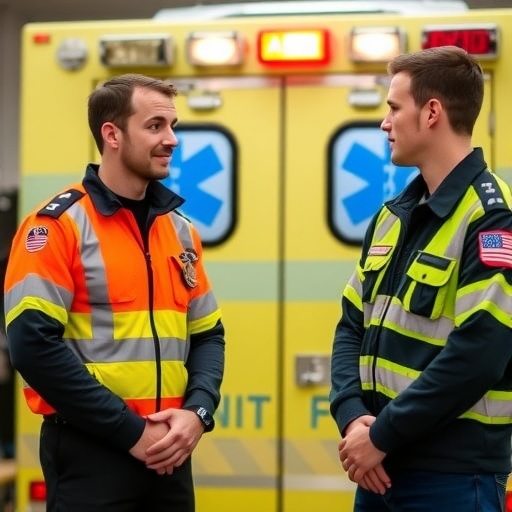
In recent years, the intersection of emotional intelligence and occupational performance has garnered significant attention across various sectors, particularly in high-pressure fields such as emergency medical services. A groundbreaking study spearheaded by researchers Kuday and Tekin delves into the transformative effects of emotional intelligence training on occupational anxiety specifically within paramedic students. This quasi-experimental study, poised to reshape how educational institutions approach training for future paramedics, sets the stage for a profound understanding of the emotional dynamics at play in emergency care environments.
The study, which draws from a diverse cohort of paramedic students, highlights the sometimes-overlooked psychological hurdles faced by these individuals as they prepare to enter a demanding profession. The authors note that occupational anxiety can significantly impair job performance, decision-making capabilities, and overall mental health. The pressure inherent in emergency medical situations can exacerbate these anxieties, making it crucial for educational programs to address these emotional challenges head-on.
Kuday and Tekin’s research focuses on the implementation of a structured emotional intelligence training program aimed at mitigating these stressors. By enhancing the emotional competencies of paramedic students, the researchers hypothesize that they can equip future emergency responders with the tools necessary to navigate both the technical demands of their jobs and their emotional landscapes. This hypothesis is rooted in a growing body of evidence suggesting that emotional intelligence is a vital component of successful performance in high-stress roles.
The training program incorporated in this study is multifaceted, involving interactive workshops, peer discussions, and scenario-based learning. Participants engage in real-life simulations that mimic the emotional and psychological pressures they may encounter in the field. Throughout the study, students are encouraged to reflect on their emotional responses, practice empathy, and develop strategies to manage their anxiety effectively. The intention is not only to improve their individual coping mechanisms but also to foster a supportive community among their peers.
Preliminary findings from the research indicate promising outcomes. Many participants reported a noticeable decrease in their occupational anxiety levels following the emotional intelligence training. They expressed that the training helped them recognize and regulate their emotions during critical scenarios, leading to more effective communication and teamwork. This shift not only benefits the students’ mental health but also enhances patient care, as calmer and more emotionally intelligent paramedics are likely to make better decisions under pressure.
Moreover, the emotional intelligence training appears to have broader implications for the future workforce in emergency medical services. The researchers emphasize that instilling these competencies during training may lead to a favorable shift in organizational culture, promoting a more resilient and emotionally aware workforce. This evolution is essential, particularly in an era where the demand for emergency services continues to rise, paralleling the increase in mental health awareness.
The implications of this research extend beyond the immediate participants. Educational institutions and policymakers may want to reconsider their training methodologies, potentially integrating emotional intelligence curricula as a standard component in paramedic programs worldwide. As the study indicates, prioritizing emotional intelligence in training may not only benefit students but also enhance the quality of care provided to the public.
As the field of emergency medical services continues to evolve, so too must the training paradigms that prepare individuals for entry into this challenging profession. Stakeholders are urged to look towards studies like that of Kuday and Tekin as a model for program development. The infusion of emotional intelligence into existing curricula could serve as a catalyst for fostering a more holistic approach to paramedic education, thereby addressing a critical gap in traditional training methods.
This study represents a vital step toward understanding the necessity of emotional intelligence in high-stress occupations. As the findings circulate in academic and professional forums, a broader dialogue around emotional competence in emergency response may emerge. The potential for this research to influence educational reform, mitigate occupational anxiety, and ultimately improve both paramedic training and patient outcomes is profound.
In conclusion, Kuday and Tekin’s study offers a compelling argument for the integration of emotional intelligence training in paramedic education. As the results continue to be analyzed and disseminated, they provide a foundation for further exploration into how emotional intelligence can enhance not just individual student success but also the efficacy of emergency medical services as a whole. The call to action for educational leaders and training program developers is clear: invest in emotional intelligence training to cultivate a more prepared, responsive, and resilient workforce ready to tackle the challenges of emergency healthcare.
As we look to the future, the integration of emotional intelligence training into paramedic curriculums presents an opportunity for systemic change within emergency medical services. This study serves as both a beacon of hope and a call to arms, emphasizing the importance of addressing emotional well-being in educational settings. Let this pivotal research guide us toward a more empathetic, competent, and ultimately effective generation of emergency responders.
Subject of Research: The impact of emotional intelligence training on occupational anxiety among paramedic students.
Article Title: The effect of emotional intelligence training on occupational anxiety among paramedic students: a quasi-experimental study.
Article References:
Kuday, A.D., Tekin, N. The effect of emotional intelligence training on occupational anxiety among paramedic students: a quasi-experimental study. BMC Med Educ (2025). https://doi.org/10.1186/s12909-025-08448-1
Image Credits: AI Generated
DOI: 10.1186/s12909-025-08448-1
Keywords: emotional intelligence, occupational anxiety, paramedic education, training program, emergency medical services.


