

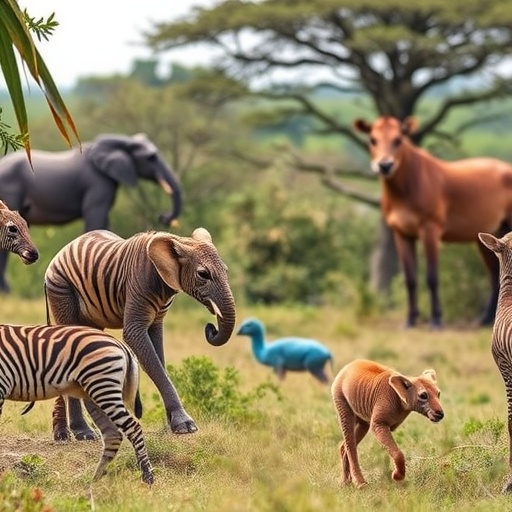
In the heart of Southern Africa, a revolution is brewing that could redefine the relationship between tourism and wildlife conservation. Recent research highlights the urgent need to enhance nature-based tourism as a driving force to improve wildlife conservation efforts across this ecologically rich region. As poaching and habitat loss continue to threaten numerous species, integrating tourism strategies with conservation priorities may hold the key to not only preserving wildlife but also fostering sustainable economic growth. This innovative approach is being explored in a comprehensive review conducted by a team of researchers, aiming to synthesize existing knowledge and identify effective methodologies in integrating tourism with conservation efforts.
The region, famed for its diverse ecosystems and mesmerizing wildlife, faces alarming threats. Poaching remains rampant, often fueled by economic instability and a lack of understanding of the long-term benefits that wildlife can provide to local communities. The researchers argue that promoting nature-based tourism not only generates revenue but also enhances the livelihoods of local inhabitants, creating a vested interest in preserving wildlife. By tapping into the potential of tourism, communities can transform their perception of wildlife from a liability to a valuable asset.
Moreover, the potential for ecotourism in Southern Africa is immense. The region’s unique landscapes—from sprawling savannas to lush wetlands—provide ideal settings for tourists seeking authentic experiences. The study emphasizes the necessity for governments and stakeholders to invest in infrastructure and educational programs to support this burgeoning industry. Enhancing visitor experiences through guided tours, cultural exchanges, and immersive activities can simultaneously elevate conservation awareness and generate economic benefits.
Education plays a pivotal role in this equation. By engaging tourists in conservation narratives, they can become advocates for wildlife, encouraging a sense of stewardship toward the environment. Moreover, when tourists are educated about the ecological significance of species and the threats they face, they are more likely to contribute to conservation efforts, whether through donations or by choosing sustainable tourism options. This forms a symbiotic relationship where both the ecosystem and local communities thrive under a shared goal of conservation.
However, the paper warns of potential pitfalls. There is a thin line between sustainable tourism and over-exploitation of natural resources, which can lead to environmental degradation. The researchers emphasize the importance of developing sustainable practices that not only benefit tourism but also ensure the preservation of natural habitats and species. Implementing regulatory frameworks and best practices for tourism operators can mitigate risks while maximizing conservation outcomes.
Another critical aspect of enhancing nature-based tourism involves balancing tourism growth with wildlife welfare. The study highlights the need for careful planning to prevent disturbances to animals and their habitats. Maintaining a delicate equilibrium will necessitate the input of ecologists and wildlife biologists in tourism development strategies, ensuring that conservation remains at the forefront of any initiative. Without this thoughtful consideration, the same tourism that is intended to protect wildlife could inadvertently become a threat to their survival.
Local community involvement cannot be overstated. For any conservation strategy that includes tourism, local populations must be included from the outset. Empowering communities through job creation, training, and involvement in decision-making processes fosters a sense of ownership over natural resources. This ensures that conservation success is not merely a top-down approach but a collaborative effort that honors traditional knowledge and practices while incorporating modern conservation techniques.
The researchers also point to successful case studies within Southern Africa, where nature-based tourism has catalyzed positive change. Examples abound from countries like Botswana and Namibia, where community-led tourism initiatives have significantly contributed to wildlife conservation. These success stories serve as blueprints for other regions and underscore the importance of replicable models that can be tailored to local needs, emphasizing a diversity of approaches to address unique challenges.
Technology and innovation play a vital role in modern conservation strategies. The integration of digital platforms and social media in promoting nature-based tourism can amplify awareness and engagement beyond borders. Virtual reality experiences, for instance, can provide prospective tourists with glimpses of what awaits them in the wild, potentially increasing their desire to visit and experience the beauty of Southern Africa firsthand. Additionally, leveraging data analytics can help optimize tourism flows, ensuring that human presence does not overwhelm vulnerable species or ecosystems.
Emerging research continues to delve into the complexities of balancing tourism and wildlife conservation. As pressures on wildlife intensify, the interconnectedness of global economies becomes ever more evident, with a clear call to action for international collaboration to tackle these dilemmas. Engaging stakeholders at every level—from local communities to international organizations—will be vital in crafting strategies that promote sustainable tourism while prioritizing animal welfare.
In summary, the intricate relationship between nature-based tourism and wildlife conservation is becoming clearer through ongoing research. As Southern Africa faces critical challenges in preserving its rich biodiversity, there is an opportunity for tourism to emerge as a powerful ally in these efforts. The findings from the review not only shed light on the complex interplay between economic incentives and conservation needs but also ignite a dialogue on the best practices that can lead to sustainable outcomes. Ultimately, enhancing nature-based tourism can become a transformative force in conserving wildlife, benefitting local communities, and ensuring the ecological integrity of this remarkable region for generations to come.
Subject of Research: Nature-based tourism and wildlife conservation in Southern Africa
Article Title: Enhancing nature-based tourism to improve wildlife conservation in Southern Africa: a synthetic review
Article References:
Gumbo, E.B., Matsa, M.M., Kowe, P. et al. Enhancing nature-based tourism to improve wildlife conservation in Southern Africa: a synthetic review.
Discov Sustain 6, 1397 (2025). https://doi.org/10.1007/s43621-025-02064-1
Image Credits: AI Generated
DOI: https://doi.org/10.1007/s43621-025-02064-1
Keywords: Nature-based tourism, wildlife conservation, Southern Africa, sustainable development, ecotourism, local communities, education, technology, economic benefits.


