

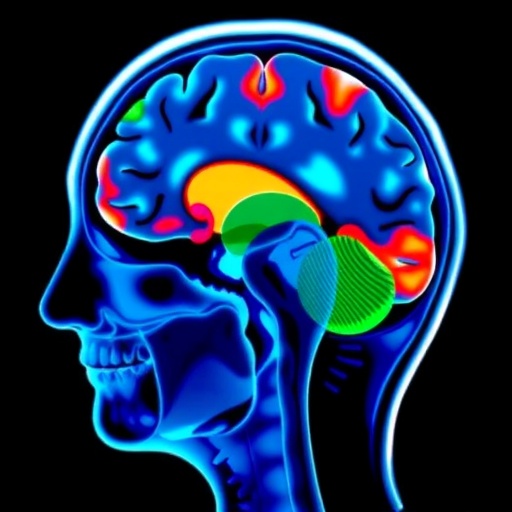
Enhancing MRI Accessibility Through Community Engagement for Autistic Young Adults
Recent advancements in neuroimaging have underscored the importance of Magnetic Resonance Imaging (MRI) as a tool for studying brain function and structure. However, accessibility to MRI services remains a significant barrier, particularly for marginalized groups, including autistic young adults. A new study, conducted by a team of researchers led by Pagán et al., aims to address these challenges through strategic community engagement initiatives that enhance the availability and utilization of MRI services for autistic individuals. The groundbreaking research, published in “Discover Psychology,” sheds light on the pressing need to make MRI technology more inclusive and user-friendly for this population.
The significance of accessibility in MRI services cannot be overstated. Traditional MRI procedures often involve cramped spaces, loud noises, and the need for patients to remain still for extended periods. These factors can present unique challenges for autistic individuals, who may struggle with sensory sensitivities or anxiety in medical settings. Pagán and colleagues recognized these obstacles and sought to explore ways of demystifying the MRI experience through community involvement, tailoring their approach to meet the specific needs of autistic young adults.
Through a series of workshops and focus groups, researchers engaged with autistic individuals, their families, and healthcare professionals to gather insights into their experiences and perceptions of MRI services. This grassroots approach illuminated the various challenges faced by autistic individuals when accessing MRI facilities, which often include a lack of awareness about the procedure and its purpose, fear of the unknown, and insufficient pre-scan preparations. By understanding these barriers, the research team sought to develop targeted interventions that could enhance the overall MRI experience for young adults on the autism spectrum.
One of the key findings from the community engagement process was the need for improved communication and education surrounding MRI procedures. Many autistic individuals expressed confusion about what to expect during an MRI scan, leading to heightened anxiety and reluctance to undergo the procedure. To address this, Pagán and the research team developed educational materials that simplify the MRI process into understandable steps, incorporating visual aids and clear explanations geared towards an autistic audience.
In addition to educational resources, the researchers proposed the use of sensory-friendly environments to alleviate anxieties associated with the MRI experience. This included adaptations to the MRI room itself, such as dimmable lights, softer sounds, and the ability to use noise-canceling headphones. Creating a welcoming and supportive atmosphere would not only ease the anxiety of autistic young adults but could ultimately lead to increased participation in MRI studies, fostering a greater understanding of autism and its neurological underpinnings.
Another critical aspect of this research involved training healthcare professionals who interact with autistic patients. The study highlighted the necessity of fostering empathy and understanding among medical staff, enabling them to effectively communicate and connect with autistic individuals. By incorporating autism awareness training into professional development for radiologists and technicians, healthcare providers can better accommodate patients’ needs, creating a more inclusive environment for those undergoing MRI procedures.
The implications of this study extend beyond just improving the experience of autistic young adults in MRI facilities. By successfully enhancing accessibility, the team aims to contribute to a broader understanding of autism itself, facilitating research that could yield vital insights into the condition’s neurobiological characteristics. Increased participation in MRI studies among autistic individuals will allow for a more comprehensive exploration of brain function, potentially leading to better diagnostic measures, treatment options, and support programs.
As the COVID-19 pandemic highlighted disparities in healthcare access, this research underscores the importance of equity in health services. The findings suggest that community engagement is a vital strategy for addressing barriers to medical care faced by marginalized populations. Moreover, by fostering collaboration between researchers, healthcare providers, and community members, this study exemplifies a holistic approach to health that prioritizes patient well-being and accessibility.
The researchers’ commitment to transparency and collaboration also plays a significant role in the project’s success. Throughout the duration of the study, feedback from community members was actively sought and incorporated into the research design and execution. This iterative process not only empowered autistic individuals but also helped build trust between researchers and the communities they serve. This trust is particularly crucial in the context of healthcare, where historical neglect and misunderstanding have led to enduring skepticism among marginalized groups.
As the study moves toward implementation, the researchers hope to inspire other institutions to adopt similar community engagement strategies. By prioritizing the voices of autistic individuals, medical facilities can improve the quality of care provided to this population, enhancing not just the MRI experience, but the overall healthcare journey. This transformative approach aims to create environments where autistic individuals feel safe, respected, and understood while receiving medical treatment.
Ultimately, the research led by Pagán et al. stands as a clarion call for change within healthcare settings. It emphasizes the necessity of dismantling barriers to accessibility through education, community involvement, and an unwavering commitment to understanding the unique experiences of autistic individuals. As the study demonstrates, enhancing MRI accessibility for autistic young adults is not merely about technical adjustments; it is about cultivating a culture of inclusivity and compassion within the medical field.
In conclusion, the findings from this innovative research signify a progressive step towards holistic healthcare practices that honor diversity and inclusivity. By harnessing the power of community engagement, the researchers hope to transform the landscape of MRI accessibility for autistic young adults, instilling a sense of hope and empowerment for both patients and providers alike. The path forward lies in continued collaboration and open dialogue, paving the way for equitable healthcare solutions that transcend barriers and foster understanding.
Subject of Research: Enhancing MRI accessibility through community engagement for autistic young adults
Article Title: Enhancing MRI accessibility through community engagement for autistic young adults
Article References:
Pagán, A.F., Gogola, G., Huang, A. et al. Enhancing MRI accessibility through community engagement for autistic young adults. Discov Psychol (2025). https://doi.org/10.1007/s44202-025-00562-x
Image Credits: AI Generated
DOI: 10.1007/s44202-025-00562-x
Keywords: MRI, Autism, Accessibility, Community Engagement, Healthcare Equity, Neuroimaging, Sensory Sensitivity, Medical Training, Patient Empowerment.


