

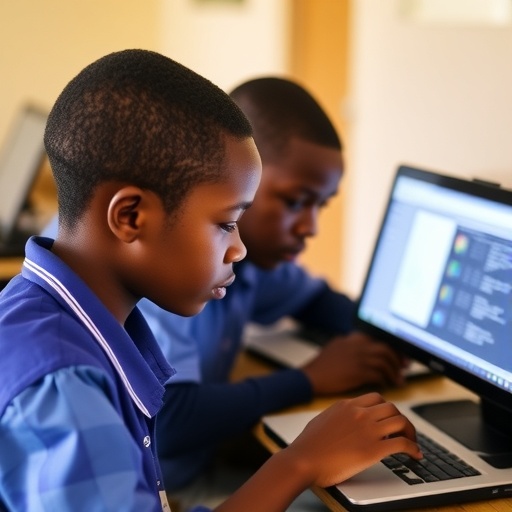
In the rapidly evolving landscape of education, the integration of Information and Communication Technology (ICT) has emerged as a transformative force, particularly in developing nations. A notable study highlights this dynamic within the context of Rwandan schools, where innovative strategies are being employed to enhance access, proficiency, and utilization of ICT tools. The researchers—Twagilimana, Perumal, and Habimana—embark on an exploration of how digital resources can revolutionize educational experiences, bringing forth a new era of learning opportunities for students in Rwanda.
At the heart of the investigation is the pressing need to address educational disparities that exist in many parts of the world, especially in sub-Saharan Africa. The research delves into the current state of ICT utilization in Rwandan schools, elucidating the challenges and opportunities present in this developing educational environment. By adopting a multifaceted approach, the researchers aim to unravel the intricate relationship between technology and education, offering insights that could pave the way for future advancements in this sector.
The Rwandan government has recognized the pivotal role that ICT can play in enhancing educational outcomes. As part of their efforts, they have initiated numerous policies aimed at integrating technology into the classroom. These policy frameworks are designed to create a conducive environment for learning, ensuring that students not only have access to modern educational tools but also the training necessary to utilize these resources effectively. The implications of such initiatives are far-reaching, influencing both the immediate academic landscape and the long-term prospects for a generation of learners.
One of the key findings of the study is the transformative impact of ICT on student engagement. By incorporating digital tools into the learning process, educators can create a more interactive and stimulating educational experience. This shift in pedagogy not only captures the attention of students but also fosters a sense of ownership over their learning journey. The increased engagement leads to better retention of information and a deeper understanding of complex subjects—outcomes that traditional teaching methods often struggle to achieve.
Moreover, the research emphasizes the importance of teacher training in the successful integration of ICT within Rwandan schools. Educators play a crucial role in facilitating technology-enabled learning, yet many lack the necessary skills to effectively incorporate these tools into their teaching practices. The study advocates for comprehensive professional development programs that equip teachers with the knowledge and confidence to leverage technology in their classrooms. By investing in teacher training, schools can ensure that the full potential of ICT is harnessed, ultimately benefiting students on multiple levels.
Access to ICT resources remains a significant barrier for many schools in Rwanda. The research sheds light on the digital divide that persists within the country, where disparities in access to technology can hinder educational equity. The authors call for concerted efforts to bridge this gap, emphasizing the need for infrastructure improvements and increased availability of devices. By addressing these logistical challenges, stakeholders can work towards creating a more inclusive educational environment that fosters equal opportunities for all learners.
In addition to infrastructural challenges, the study highlights the cultural attitudes towards technology in Rwandan society. There exists a need to shift perceptions around the use of ICT in education, especially among parents and community members who may be hesitant to embrace new methodologies. The researchers advocate for community outreach initiatives that demonstrate the benefits of technology in enhancing educational outcomes. Engaging with families and communities can help build trust in these new approaches, thereby enhancing support for ICT integration in schools.
The researchers also examine the role of digital literacy in the successful implementation of ICT in education. Digital literacy encompasses not only the ability to use technology but also the critical thinking skills necessary to navigate the vast information landscape of the digital world. The study indicates a pressing need to embed digital literacy into the curriculum, ensuring that students are not only consumers of digital content but also skilled evaluators of the information they encounter. By prioritizing digital literacy, educational institutions can prepare students for the demands of the modern workforce, where technological proficiency is increasingly essential.
Furthermore, the integration of ICT in Rwandan schools has the potential to foster collaboration and communication among students and educators. Digital tools enable seamless sharing of resources, ideas, and feedback, facilitating a more dynamic learning environment. The study showcases successful examples where ICT has broken down traditional barriers, allowing for collaborative projects and peer-to-peer learning. This social aspect of learning is particularly important in fostering teamwork and interpersonal skills, essential competencies in today’s interconnected world.
As the study progresses, it delves into the innovative uses of ICT in specific subject areas. For instance, in STEM education, technology is being utilized to introduce students to coding, robotics, and other relevant skills that prepare them for the demands of the future job market. The engagement of students with these practical applications of technology serves to inspire creativity and critical thinking, crucial attributes for navigating the complexities of modern challenges.
The implications of the study extend beyond the borders of Rwanda. Lessons learned from this research could serve as a blueprint for other developing nations looking to enhance their educational systems through technology. The successful integration of ICT can lead to educational reforms that prioritize access and equity, ultimately shaping a more informed and skilled populace.
In conclusion, the study by Twagilimana, Perumal, and Habimana highlights the transformative potential of integrating ICT in Rwandan schools. Through innovative strategies, comprehensive teacher training, community engagement, and a strong emphasis on digital literacy, the educational landscape in Rwanda can be revolutionized. As technology continues to evolve, so too does the opportunity to leverage these advancements for the betterment of education. During this critical juncture, it is essential that all stakeholders come together to embrace the change, ensuring that the future of education in Rwanda—and beyond—is bright and inclusive.
Subject of Research: Integration of ICT in Rwandan Schools
Article Title: Integrating ICT in Rwandan schools to enhance access proficiency and utilization
Article References:
Twagilimana, I., Perumal, J., Habimana, O. et al. Integrating ICT in Rwandan schools to enhance access proficiency and utilization. Discov Educ (2026). https://doi.org/10.1007/s44217-025-01091-4
Image Credits: AI Generated
DOI: 10.1007/s44217-025-01091-4
Keywords: ICT integration, Rwandan education, digital literacy, teacher training, educational equity, technology in education, STEM education.


