


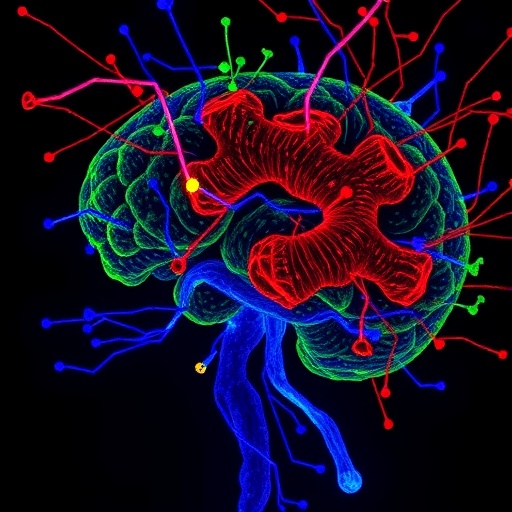
A cellular recycling system has emerged as a potential early intervention point in amyotrophic lateral sclerosis (ALS), according to a study reporting that autophagy induction reduced the formation of abnormal FUS protein aggregates and limited early synaptic dysfunction in a FUS-ALS model. The work, published in Cell Death Discovery, focuses on the neuromuscular junction (NMJ), the highly specialized connection where motor neurons communicate with muscle fibers. Although the findings come from a disease model rather than human patients, they address a crucial question in neurodegeneration: whether it is possible to interfere with toxic protein accumulation before widespread loss of motor neurons and muscle control occurs.
ALS is a progressive neurodegenerative disease in which motor neurons deteriorate, weakening the muscles responsible for movement, speech, swallowing and breathing. A subset of inherited and sporadic ALS cases is associated with abnormalities in FUS, a protein normally involved in regulating RNA inside the cell nucleus. FUS can relocate to the cytoplasm, where it may become concentrated in abnormal assemblies or aggregates. These structures can disrupt RNA processing, transport and translation, while also placing stress on the cell’s systems for maintaining protein quality. Because motor neurons are exceptionally long-lived and possess axons that may extend considerable distances to reach muscle, even modest failures in protein management can have serious consequences.
The new study examines this process at the NMJ, a site increasingly recognized as an early target in ALS biology. The NMJ is not simply a passive endpoint for a motor neuron’s axon. It is a dynamic structure requiring precise coordination between the presynaptic nerve terminal, the muscle membrane and supporting molecular machinery. Motor neurons must deliver neurotransmitter to activate muscle contraction, while muscle fibers send signals that help maintain the nerve terminal. In neurodegenerative disease, this communication can weaken before the motor neuron disappears entirely. Early NMJ dysfunction may therefore represent a window in which damaged cellular processes remain reversible or at least modifiable.
Autophagy is one of the cell’s principal quality-control pathways. Through this process, cellular components are enclosed within membrane-bound structures called autophagosomes and delivered to lysosomes, organelles containing enzymes that break down and recycle their contents. Autophagy can remove damaged organelles, misfolded proteins and other material that could otherwise accumulate and interfere with normal cell function. In neurons, which cannot readily dilute toxic substances through cell division, autophagy is particularly important. However, autophagy is not a single switch that simply turns on or off. Its protective effect depends on the entire pathway functioning effectively, from cargo recognition and autophagosome formation to lysosomal degradation and recycling.
Malik, Jones, Ma and their colleagues report that inducing autophagy in their FUS-ALS model mitigated the accumulation of FUS aggregates. The observation is important because it connects a broad cellular housekeeping mechanism with a disease-linked protein directly implicated in ALS. Rather than treating FUS aggregation as an isolated structural abnormality, the findings support the view that the cell’s capacity to identify and clear problematic protein assemblies may influence the earliest functional effects of the disease. Reducing aggregate formation could preserve the intracellular environment required for normal axonal transport, synaptic maintenance and communication between motor neurons and muscle.
The reported benefits were also observed at the level of the NMJ, where autophagy induction mitigated early synaptic dysfunction. In practical terms, this suggests that improving protein clearance may help protect the nerve–muscle connection before the disease produces more extensive structural damage. Synaptic dysfunction can involve impaired neurotransmitter release, altered organization of the postsynaptic muscle membrane or instability of the contact itself. The study’s focus on these early changes is significant because a treatment that acts only after motor neurons have been lost would face a much narrower opportunity to preserve movement. By contrast, stabilizing the NMJ could potentially maintain functional communication for longer, even if the underlying disease process has not been completely eliminated.
The findings also highlight why timing may be decisive in future ALS therapies. Protein aggregates and cellular stress can create a self-reinforcing cycle: abnormal proteins interfere with normal processes, impaired quality control allows more abnormal proteins to accumulate, and the resulting stress further weakens the cell’s ability to recover. Autophagy induction could interrupt part of that cycle, but the approach is not automatically risk-free. Excessive or poorly controlled autophagy can consume essential cellular components, and stimulation of the pathway may have different effects depending on disease stage, cell type and the condition of the lysosomal system. A useful treatment would therefore need to enhance productive autophagic flux—the completion of degradation and recycling—rather than merely increase the number of autophagosomes.
Because the work was conducted in a FUS-ALS model, it should not be interpreted as evidence that an autophagy-activating drug can currently prevent or reverse ALS in people. Models are essential for isolating mechanisms, but they cannot reproduce every feature of human disease, including its genetic diversity, variable progression and complex interactions among neurons, muscle, glial cells and the immune system. The next scientific steps will include determining which molecular components of autophagy are responsible for the protective effect, establishing how long the benefit lasts and testing whether the intervention preserves motor performance and survival. Researchers will also need to assess whether similar strategies work in other ALS-associated proteinopathies, since not all forms of ALS are driven by FUS.
Nevertheless, the study provides a timely shift in perspective: the earliest battle in FUS-linked ALS may occur at the synapse, before catastrophic neuronal loss becomes visible, and the outcome may depend partly on how efficiently cells dispose of defective protein material. By linking autophagy induction with reduced FUS aggregation and improved NMJ function, the research identifies a mechanistic route that could guide future therapeutic development. The result is not yet a treatment, but it strengthens the case for targeting cellular quality control as an early strategy in neurodegenerative disease. In ALS research, where restoring lost motor neurons remains beyond current medicine, protecting the connections that remain could prove to be one of the most important opportunities for slowing decline.
Cite Scienmag News
Ophelia Keating. (August 15, 2026). Boosting autophagy limits FUS aggregates and early synaptic dysfunction in ALS model. Scienmag. https://scienmag.com/boosting-autophagy-limits-fus-aggregates-and-early-synaptic-dysfunction-in-als-model/
Ophelia Keating. "Boosting autophagy limits FUS aggregates and early synaptic dysfunction in ALS model." Scienmag, 15 August 2026, https://scienmag.com/boosting-autophagy-limits-fus-aggregates-and-early-synaptic-dysfunction-in-als-model/. Accessed 4 September 2026.
Ophelia Keating. "Boosting autophagy limits FUS aggregates and early synaptic dysfunction in ALS model." Scienmag. August 15, 2026. https://scienmag.com/boosting-autophagy-limits-fus-aggregates-and-early-synaptic-dysfunction-in-als-model/


