

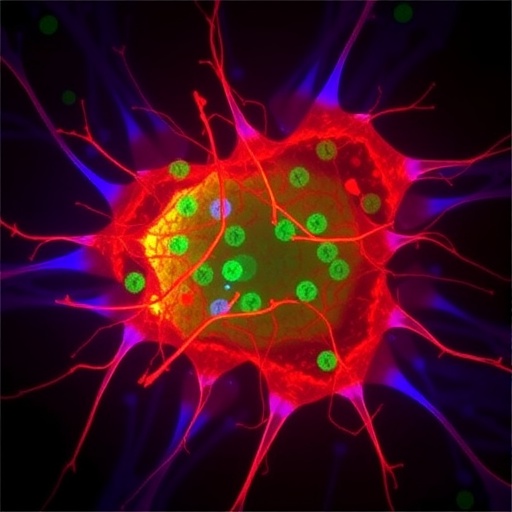
The field of neuroscience is continually evolving, presenting new insights and directions that can significantly impact our understanding of neuroprotection. One recent study stands out for its intriguing focus on the protective properties of a compound known as bis(7)-tacrine. As researchers dive deeper into this area, the intricacies of how bis(7)-tacrine operates against glutamate-induced retinal ganglion cell damage are becoming clearer.
In this editorial expression of concern, the original authors—Fang, Wang, Xu, and colleagues—address findings regarding bis(7)-tacrine, a compound that has garnered attention due to its potential neuroprotective effects. The backdrop of this research is rooted in the understanding that retinal ganglion cells (RGCs) are crucial for visual signaling, and their damage is a hallmark of various neurodegenerative conditions, including glaucoma and other retinal pathologies.
Glutamate, an excitatory neurotransmitter, has been identified as a key player in the detrimental processes that lead to RGC death. Excessive glutamate levels can result in excitotoxicity, a phenomenon where nerve cells are damaged and killed by excessive stimulation. The ramifications of this are profound, particularly for patients suffering from diseases that compromise visual function. Hence, the interest in exploring compounds that can mitigate this damage is critical.
What differentiates bis(7)-tacrine from other neuroprotective agents is its unique molecular structure, which allows it to cross the blood-retina barrier effectively. This feature is vital, as many compounds falter in their ability to reach the target tissues effectively due to this barrier. The ability of bis(7)-tacrine to penetrate this stringent physiological defense opens doors to new therapeutic avenues for treating retinal degenerative illnesses.
The authors express a cautious optimism regarding the results, emphasizing that while preliminary findings suggest promising neuroprotective effects, it is imperative to conduct further studies to validate these outcomes. Understanding the mechanisms through which bis(7)-tacrine exerts its effects is still a work in progress. Further research is necessary to delineate the pathways involved and how they might interact with existing cellular processes affected by glutamate toxicity.
Additionally, this research raises crucial questions regarding dosage and long-term effects. What levels of bis(7)-tacrine would be most effective without causing adverse side effects? Understanding the pharmacokinetics and pharmacodynamics of this compound is essential to ensure its safe application in clinical settings. To this end, more robust preclinical models could be instrumental in determining the safety profiles of bis(7)-tacrine.
As the scientific community moves forward, collaborative efforts can play a pivotal role in accelerating the pace of discovery in neuroprotection. By pooling resources and expertise, researchers can design comprehensive studies that address the multifaceted aspects of RGC damage and recovery. Interdisciplinary cooperation will likely yield insights that challenge existing paradigms and pave the way for novel therapeutic strategies.
The potential societal impact of effective treatments for RGC damage cannot be underestimated. Millions of individuals worldwide are affected by vision loss due to neurodegenerative conditions, leading to significant personal, social, and economic burdens. An effective neuroprotective agent could not only enhance quality of life for patients but also reduce healthcare costs associated with managing chronic eye conditions.
As the editorial concludes, the authors urge the scientific community to maintain a vigilant and critical approach when interpreting these findings. While the preliminary data regarding bis(7)-tacrine’s neuroprotective effects are promising, the road from research to clinical application is fraught with uncertainty and necessitates thorough investigation. Through dedicated research efforts and a commitment to understanding the complexities of neuroprotection, the potential for breakthrough treatments remains within reach.
In light of these considerations, the ongoing discourse around bis(7)-tacrine illustrates the dynamic nature of neuroscience research, where new insights continuously reshape the understanding of cell protection mechanisms. By fostering dialogue and collaboration, the field can continue to innovate and inspire future discoveries that may one day revolutionize treatment options for neurodegenerative diseases and related conditions.
Strengthening the foundation of knowledge around compounds like bis(7)-tacrine pushes towards a future where neuroprotection is not just an aspiration but a tangible reality for those impacted by retinal cell damage. The research community must remain steadfast in its quest, as every finding brings us one step closer to novel therapies that mitigate the devastating effects of neurodegenerative diseases on vision and quality of life.
Subject of Research: Neuroprotective effects of bis(7)-tacrine against glutamate-induced retinal ganglion cells damage.
Article Title: Editorial expression of concern: Neuroprotective effects of bis(7)-tacrine against glutamate-induced retinal ganglion cells damage.
Article References:
Fang, J.H., Wang, X.H., Xu, Z.R. et al. Editorial expression of concern: Neuroprotective effects of bis(7)-tacrine against glutamate-induced retinal ganglion cells damage. BMC Neurosci 27, 2 (2026). https://doi.org/10.1186/s12868-025-00990-4
Image Credits: AI Generated
DOI:
Keywords: Neuroprotection, retinal ganglion cells, bis(7)-tacrine, glutamate toxicity, neurodegeneration.


