

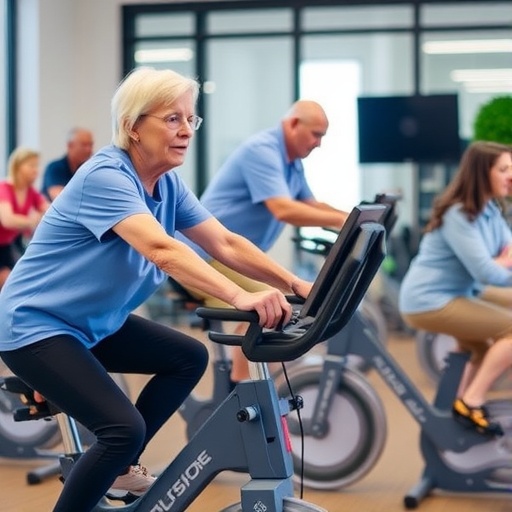
Recent research in geriatric health has highlighted a burgeoning interest in exercise interventions aimed at improving the well-being of older adults. A systematic review published in BMC Geriatrics has provided compelling evidence regarding the acceptability and effectiveness of stationary bike interventions for this demographic. The collaborative efforts of Akter, Moneruzzaman, Maduray, and their associates have synthesized findings from multiple studies to present a comprehensive overview of how engaging with stationary biking can yield significant health benefits for the aging population.
The implications of engaging older adults in stationary biking extend beyond mere physical health. The review emphasizes the multifaceted benefits that such interventions can offer, including improvements in cardiovascular health, muscle strength, and mental well-being. It is well-documented that physical activity plays a pivotal role in reducing the risk of chronic diseases and enhancing the quality of life. As populations age globally, the urgency to adopt innovative and accessible exercise regimens is underscored by the need for effective preventative strategies in geriatric health.
The systematic review examined various studies, each detailing unique methodologies and outcomes related to stationary biking. By collating this information, the researchers were able to identify common themes and trends, shedding light on the aspects that contribute to greater acceptability among older adults. Facilities that provide stationary bikes in communal spaces often see higher engagement rates, as social interaction further enriches the experience, making it not just an exercise but a social outing.
One notable finding indicated that participants who engaged in stationary biking reported heightened levels of enjoyment compared to more traditional exercise programs. The convenience and low-impact nature of stationary bikes make them an attractive option for individuals with mobility issues or joint concerns. The research suggests that when older adults perceive an activity as enjoyable, they are more likely to adhere to the routine, potentially leading to long-term health benefits.
Moreover, the review reiterated the importance of tailored interventions that account for individual capabilities and preferences. Health practitioners are encouraged to design personalized biking programs that align with the specific needs of older adults. This customization can range from the duration and intensity of the biking sessions to incorporating motivational elements that resonate with the individual, enhancing overall engagement.
The researchers also explored the psychological aspects tied to stationary biking. They found that this form of exercise can contribute to reducing feelings of loneliness and depression. Exercise, particularly in a shared setting, can foster community and belonging, which are essential elements for mental health in older populations. Engaging in regular physical activity is scientifically recognized for its positive impact on mood and cognitive function, thus presenting an invaluable dual benefit of stationary biking interventions.
Furthermore, the findings underscore the potential of stationary biking to serve as a transitional activity for older adults who may have previously led sedentary lifestyles. By initiating their journey with a low-impact exercise that is easily modifiable, older adults can gradually build their fitness levels. The adaptability of stationary biking means that participants can adjust their efforts in real-time, making it a feasible option for many.
As the global population ages, the demand for accessible and effective health interventions is critical. The systematic review presents stationary bike interventions as a viable option that not only meets the physical demands but also resonates with the social and psychological needs of the aging population. The findings offer encouraging insights that could guide healthcare providers and community programs in developing strategic fitness initiatives for older adults.
Across many studies included in the review, safety emerged as a primary concern in the implementation of exercise interventions for older adults. The researchers emphasized the importance of ensuring that older individuals have access to safe and ergonomically designed stationary bikes. Moreover, professional guidance should be a part of the initial phases to prevent injuries and promote confidence in using the equipment. This safety-first approach is essential to encouraging participation and ensuring longevity in exercise habits.
The systematic review concluded by advocating for further research focused on the long-term effects of stationary biking interventions on older adult health outcomes. While the short-term benefits are evident, understanding the long-term implications could solidify the role of stationary biking in geriatric health protocols. Building a robust evidence base would also facilitate the integration of such interventions into public health recommendations and geriatric care strategies.
Additionally, community health initiatives could play a vital role in promoting stationary biking as a staple activity for older adults. Public awareness campaigns that highlight the benefits and accessibility of stationary biking can lead to increased participation and recognition of the importance of physical activity in aging. By fostering community support and infrastructure, communities could better position themselves to address the health needs of their older residents.
In conclusion, the systematic review illuminates the transformative potential of stationary bike interventions in enhancing health outcomes among older adults. The synthesis of research conducted by Akter, Moneruzzaman, Maduray, and colleagues showcases the importance of combining physical activity with social engagement to promote holistic wellness in aging populations. As we strive for healthier aging, harnessing the advantages of stationary biking interventions could pave the way for new paradigms in geriatric health practices, encouraging longevity and improving quality of life.
With the increasing interest in this area of research, it is essential that healthcare professionals work collaboratively to implement these findings and ensure that older adults have the opportunity to experience the profound benefits that stationary biking can provide. The conversation around exercise in older age must continue to evolve, recognizing not only the need for physical activity but also the joy and community that can arise from shared exercise experiences.
Ultimately, the findings from this systematic review represent a significant contribution to our understanding of effective interventions for older adults. It reinforces the notion that age should not be a barrier to physical fitness and that with appropriate strategies, older adults can enjoy vibrant, active lives enriched by the power of stationary biking.
Subject of Research: Stationary bike interventions for older adults
Article Title: Acceptability and effectiveness of stationary bike intervention on health outcomes among older adults: a systematic review of intervention studies
Article References:
Akter, T., Moneruzzaman, M., Maduray, K. et al. Acceptability and effectiveness of stationary bike intervention on health outcomes among older adults: a systematic review of intervention studies.
BMC Geriatr (2026). https://doi.org/10.1186/s12877-025-06757-0
Image Credits: AI Generated
DOI: 10.1186/s12877-025-06757-0
Keywords: stationary biking, health outcomes, older adults, exercise interventions, geriatric health.


