


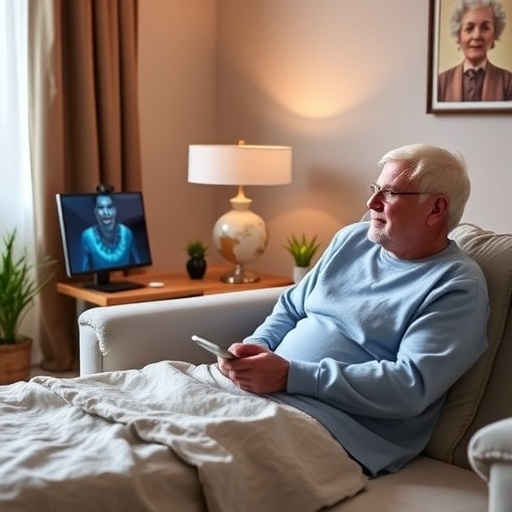
The landscape of healthcare is undergoing a revolutionary change, particularly with the rise of remote patient monitoring (RPM) systems designed to improve patient care outside of traditional hospital settings. A recent study conducted by a team at the University of Michigan has brought to light the transformative impact of RPM, particularly for high-risk patients suffering from chronic conditions like heart failure or severe hypertension. It highlights the urgent need for innovative solutions to manage health crises effectively and reduce unnecessary hospitalizations. This exploration underscores how RPM technologies can bridge the gap between hospital care and home-based management, reshaping the patient care paradigm.
In the wake of the COVID-19 pandemic, healthcare systems across the globe grappled with overwhelming demands. Many faced challenges in ensuring the continuity of care for patients who required constant monitoring and immediate intervention. The impending urgency forced healthcare institutions to rethink their approaches to patient management. The emergence of RPM programs at facilities such as the University of Michigan Health Hospital reflected a much-needed shift towards leveraging technology to manage patient health remotely, effectively mitigating the risks of hospital readmissions.
The RPM program at the University of Michigan, dubbed the "Patient Monitoring at Home" program, deploys a comprehensive kit of monitoring devices that measure vital signs including temperature, blood pressure, blood oxygen levels, and weight. These devices are paired with user-friendly technology that collects and transmits data to healthcare professionals in real time. By ensuring that medical teams have immediate access to critical health information, the program enhances early detection of potential medical crises and enables timely interventions.
The study conducted involved a thorough analysis of data collected from over 1,700 patients, marking it as one of the largest investigations of its kind. Participants in the RPM program experienced a remarkable hospitalization reduction of over 59% in the six months following their enrollment. This significant outcome not only underscores the utility of RPM in managing chronic conditions but also presents a formidable case for the integration of such technologies within standard care models.
The implications of these findings extend beyond mere metrics of hospitalization. They signify a shift towards a holistic approach to patient care, where the focus pivots from reactive treatment to proactive health management. This philosophy empowers patients, promoting self-monitoring and engagement in their health journeys, leading to better health outcomes. Through increased oversight and health education, patients are equipped to recognize symptoms early and seek assistance, thereby mitigating the potential for severe health deterioration.
Furthermore, the RPM program illustrates a financial upside for healthcare systems. With an impressive $12 million return on investment attributed to reduced hospitalizations, the program suggests that such initiatives can also alleviate the substantial economic burden that unnecessary admissions place on healthcare institutions. This merging of altruistic patient care with pragmatic financial efficiency positions RPM not just as a trend, but as a sustainable solution in modern healthcare.
The program’s inception coincided with the onset of the pandemic, when traditional healthcare paradigms were tested. Telehealth policies loosened and increased the viability of remote monitoring solutions. As a result, RPM programs surged in popularity across the country, establishing a precedent for ongoing telehealth integration even post-pandemic. This shift indicates that healthcare systems are increasingly recognizing the potential of such solutions in their quest to improve care efficiency and patient safety.
Patient enrollment in the RPM program typically occurs based on a scoring system designed to assess the risk of hospitalization. The LACE index, which evaluates various factors such as comorbidities, length of hospital stay, and previous emergency department utilization, plays a critical role in identifying high-risk individuals who would benefit most from such monitoring. As such, the RPM initiative caters specifically to those most vulnerable, thus enhancing the precision of care delivery.
While the study primarily addressed the effects of the RPM program on hospitalizations, it also explored its effects on patient experience. The simplicity of the monitoring kit and the straightforward interface intended for patients with limited tech experience facilitated higher compliance rates among users. Initially, patients completed their monitoring tasks only about half the time, but through iterative improvements and educational outreach, adherence rates increased dramatically.
Moreover, the success of RPM programs hinges on collaboration between healthcare professionals and technology partners. At the University of Michigan, the integration of resources from entities such as Health Recovery Solutions has allowed for a seamless workflow, where data captured by patients is transmitted to clinicians without requiring complex input from the patients themselves. This interaction exemplifies how cooperative frameworks can enhance the efficacy of patient monitoring programs while reducing the burden on patients.
Just as important as the technology itself is the human touch embedded in these RPM systems. Healthcare professionals are actively involved in the monitoring process, engaging with patients and intervening as necessary based on real-time data monitoring. This relationship fosters trust and communication, critical elements in successful healthcare management, particularly for older adults and those with chronic illnesses.
As the study’s results circulate in the medical community, there is an optimistic outlook for RPM systems to become standardized across healthcare delivery models nationwide. The emerging body of evidence might prompt regulatory bodies to consider formal guidelines for RPM implementation, ensuring that best practices are established and consistently applied. This shift could have profound impacts on reimbursement policies by Medicare and other insurance providers, encouraging broader adoption of RPM systems across various healthcare settings.
In anticipation of future advancements, the research team at the University of Michigan continues to investigate and refine their RPM methodologies, aiming to discern which patient profiles benefit the most from such interventions. Through ongoing analysis, they hope to generate actionable insights that will contribute to evidence-based guidelines for home patient monitoring.
Ultimately, the significance of this study transcends its immediate findings. It highlights a salient movement towards a healthcare landscape characterized by technological innovation, patient-centric care, and proactive health management. As more institutions adopt and adapt RPM systems, the potential for improved health outcomes, reduced hospitalizations, and lower healthcare costs will likely reshape the future of patient care for generations to come.
Keywords
- Remote patient monitoring
- Heart failure
- Telehealth
- Hospitalization prevention
- Chronic disease management
- Patient engagement
- Medical technology
- Health outcomes
- Digital health solutions
- Virtual care
Cite Scienmag News
Denise Maddox. (April 16, 2025). At-Home Monitoring Emerges as a Promising Solution to Prevent Hospitalizations for High-Risk Patients, According to New Study. Scienmag. https://scienmag.com/at-home-monitoring-emerges-as-a-promising-solution-to-prevent-hospitalizations-for-high-risk-patients-according-to-new-study/
Denise Maddox. "At-Home Monitoring Emerges as a Promising Solution to Prevent Hospitalizations for High-Risk Patients, According to New Study." Scienmag, 16 April 2025, https://scienmag.com/at-home-monitoring-emerges-as-a-promising-solution-to-prevent-hospitalizations-for-high-risk-patients-according-to-new-study/. Accessed 3 September 2026.
Denise Maddox. "At-Home Monitoring Emerges as a Promising Solution to Prevent Hospitalizations for High-Risk Patients, According to New Study." Scienmag. April 16, 2025. https://scienmag.com/at-home-monitoring-emerges-as-a-promising-solution-to-prevent-hospitalizations-for-high-risk-patients-according-to-new-study/


