

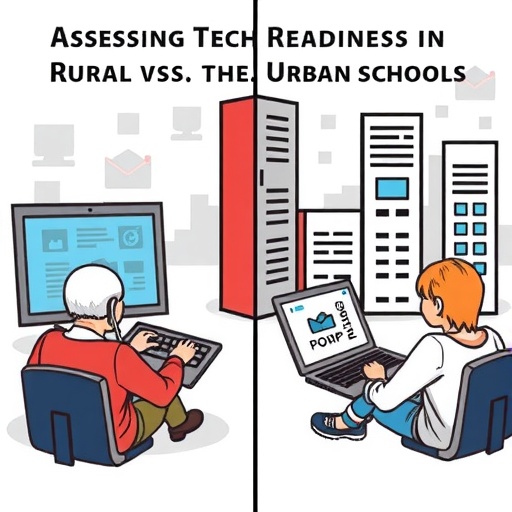
In the contemporary landscape of education, the integration of technology has emerged as a defining characteristic shaping the dynamics between educators and learners. This transformation prompts critical questions regarding the preparedness of both teachers and students, particularly in contrasting settings such as urban and rural primary schools. A recent study conducted by B.C. Cleopas delves deep into this pressing issue, aiming to uncover the readiness of these educational stakeholders in adapting to rapidly evolving technological environments.
The landscape of technology in education is multifaceted, encompassing not just the availability of digital tools but also the pedagogical philosophies that guide their implementation. Teachers are not merely facilitators of information; rather, they are pivotal players in shaping the educational experiences of their students within an increasingly digital framework. The enthusiasm and familiarity that educators have with technology can significantly affect their teaching methodologies and, consequently, student outcomes. It becomes essential to explore the level of technological mastery among teachers in both urban and rural contexts to understand the broader implications for educational equity.
While urban schools often have access to cutting-edge technology and resources, rural schools may lag behind due to infrastructural limitations and varying levels of investment in educational technology. This disparity can lead to an environment where students in urban settings benefit from richer, more diverse educational experiences compared to their counterparts in rural schools. The implications of this divide reverberate throughout the educational system, potentially widening the gap in both academic achievement and technological fluency.
Understanding the readiness of educators and students to embrace technology requires an exploration of training programs and professional development opportunities. Many teachers report feeling ill-equipped to integrate technology effectively into their curricula. This lack of confidence can stifle innovation and creativity, ultimately hindering the learning experience for students. Professional development initiatives must address these concerns by providing teachers with robust training and support, ensuring they possess the requisite skills to navigate digital tools adeptly.
Equally important is assessing students’ familiarity and comfort with technology. The digital divide manifests not only in terms of access to devices but also in learners’ proficiency in using such tools for educational purposes. This generation of students is often referred to as ‘digital natives,’ yet not all students possess the same level of fluency in utilizing technology for learning. Variances in exposure, socioeconomic status, and home environment play crucial roles in shaping students’ confidence and competence in tech usage.
Moreover, the motivation of both teachers and students in engaging with technology significantly affects their preparedness. Educational institutions should foster an environment where technology usage is not merely mandated but is viewed as an integral part of the educational experience. Cultivating a culture of innovation and experimentation enables teachers to overcome their apprehensions. Student enthusiasm for technology often mirrors their teachers’ attitudes; thus, fostering positive interactions with technology among educators can lead to enhanced engagement among learners.
Assessing the effectiveness of technology integration in education depends heavily on evaluating not just the tools themselves but also the teaching strategies employed in conjunction with these tools. Whether in urban or rural settings, it is vital for teachers to envision technology as an ally in promoting active learning. By incorporating interactive platforms and multimedia resources, educators can create a more immersive classroom experience that resonates with the diverse needs of their students.
Community involvement also plays a pivotal role in shaping the technological landscape of schools. Partnerships with local businesses, non-profits, and tech companies can enhance resource availability and provide students and teachers with unique opportunities to engage with technology. Collaborative efforts help bridge the gap between educational institutions and the broader community, creating a shared responsibility for fostering a technologically literate citizenry.
However, the integration of technology into primary education is not without its challenges. Issues such as screen time management, internet safety, and ensuring equitable access to resources must be diligently addressed. Stakeholders must engage in ongoing dialogues about these concerns, ensuring that technology serves as a tool for empowerment rather than an obstacle to learning. Creating clear guidelines and best practices for technology use in the classroom can mitigate potential risks associated with digital engagement.
The findings from Cleopas’ research underscore the necessity of an ongoing commitment to enhancing technological readiness among both educators and students. Recognizing that technology is not a panacea but a tool that can transform educational experiences is crucial. Schools must embrace a comprehensive approach, taking into account training, access, curricula, and community engagement to foster an environment where technology enriches learning.
Ultimately, the success of technology integration in education hinges upon a collective effort to prioritize both teacher and student preparedness. By acknowledging the nuances of urban and rural educational settings, stakeholders can devise tailored strategies that meet the distinctive needs of each. The path forward necessitates dialogue, collaboration, and an unwavering commitment to equity in educational technology access and utilization.
As we navigate this landscape of digital transformation, the findings of Cleopas’ study serve as a vital reminder of the importance of readiness among all educational stakeholders, propelling us toward a future where technology not only enhances learning but also ensures that no child is left behind in the pursuit of knowledge.
Subject of Research: Teachers and Pupils’ Preparedness in Technology Integration in Primary Schools
Article Title: Teachers and pupils’ preparedness in the era of technology: how ready are they in the rural and urban primary schools?
Article References:
Cleopas, B.C. Teachers and pupils’ preparedness in the era of technology: how ready are they in the rural and urban primary schools?.
Discov Educ (2025). https://doi.org/10.1007/s44217-025-00883-y
Image Credits: AI Generated
DOI: 10.1007/s44217-025-00883-y
Keywords: technology integration, education, rural schools, urban schools, teacher preparedness, student preparedness, digital divide, educational equity.


