


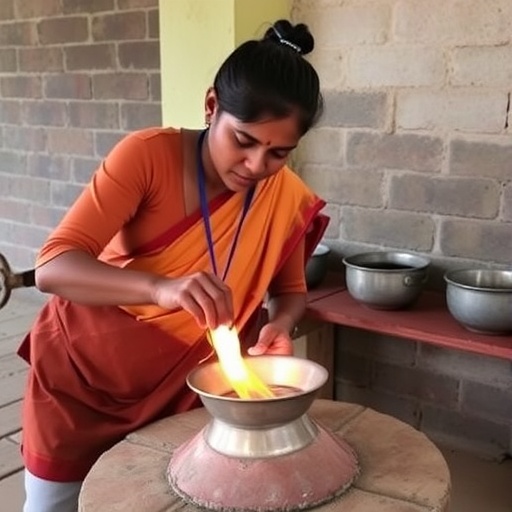
In a world that increasingly prioritizes sustainability and ethical practices, the exploration of small-scale Dhokra metal-casting enterprises in Kondagaon, Chhattisgarh, offers a fascinating case study. The research conducted by Deshmukh, Rajput, and Yadav sheds light on these ancient artisans whose techniques have transcended time, yet remain vulnerable in the face of modern challenges. This SWOT-driven sustainability appraisal not only evaluates the internal strengths and weaknesses of these enterprises but also examines the external opportunities and threats they face in today’s dynamic economic landscape.
The Dhokra metal-casting tradition, originating from some of the oldest craftsmanship in India, employs a unique lost-wax process that has been passed down through generations. This method not only showcases intricate designs but also reflects the rich cultural heritage of the tribes in Chhattisgarh. The artisans craft a variety of products ranging from decorative items to functional pieces, each imbued with a distinct aesthetic that has considerably influenced market demand. However, this demand often fluctuates, leaving these artisans in a precarious position economically.
Internal strengths of these small-scale enterprises include their rich cultural heritage and established expertise in Dhokra metal-casting techniques. The artisans possess skills honed over generations, enabling them to create intricate and unique pieces that stand out in a crowded marketplace. Furthermore, the artistic nature of their work attracts consumers who appreciate craftsmanship and authenticity. This holistic understanding of the craft enables artisans not only to produce art but also to tell stories, connecting buyers to the cultural essence of the region.
Yet, alongside these strengths, the enterprises grapple with certain weaknesses. Many artisans lack access to advanced tools and technology that could enhance productivity and improve the overall quality of their products. Additionally, insufficient marketing strategies prevent them from broadening their customer base effectively. This isolation often leads to limited visibility in global markets. Despite the quality of their craft, many artisans struggle to compete against mass-produced alternatives that flood the market at lower prices, creating an uphill battle for these traditional practices.
The study identifies various opportunities that could potentially aid in the sustainability of Dhokra enterprises. There is a growing global demand for handmade and artisan products, largely driven by a consumer shift towards sustainable consumption. Rising awareness of ethical sourcing and support for local artisans presents a unique opportunity for Dhokra enterprises to market their products effectively. Collaborations with eco-conscious brands could amplify their reach, introducing their products to a wider audience who values craftsmanship over mass production.
However, threats also loom large over these enterprises. They face stiff competition from low-cost mass-produced metal items, which can undermine the market for traditional crafts. Additionally, the risk of cultural appropriation is ever-present, as larger corporations may mimic Dhokra styles without providing proper credit or compensation to the artisans. Environmental concerns surrounding the sourcing of raw materials for metal casting further complicate the situation, with increasing regulatory scrutiny on practices that affect sustainability.
To address these issues, the appraisal emphasizes the importance of strategic interventions aimed at fostering sustainability in Dhokra enterprises. Training programs focusing on modern marketing strategies and digital platforms could help artisans reach new customers. Furthermore, establishing cooperatives among artisans may enhance their bargaining power and improve their overall market presence. By working collectively, artisans can pool their resources, share knowledge, and cultivate a stronger identity in the marketplace.
Analyzing the market trends reveals that consumers are increasingly drawn to products that offer a story — creations that embody cultural significance. This trend aligns perfectly with the Dhokra metal-casting practice, which is steeped in history and tradition. Artisans can leverage this narrative to create a compelling brand identity that resonates with conscious consumers. Effective storytelling around each piece of art can elevate its perceived value, allowing artisans to command higher prices and ensure economic sustainability.
The role of technology in enhancing the sustainability of these enterprises cannot be overstated. While traditional methods must be preserved, the introduction of modern techniques such as online sales platforms and social media marketing can significantly broaden market access. By utilizing digital tools, artisans can share their work and connect with potential buyers around the globe, thus diminishing the geographical barriers that traditionally restricted their reach.
Education about the ecological impacts of traditional practices is also vital. Artisans can be encouraged to adopt environmentally friendly methods, such as using sustainable materials and reducing waste in their production processes. This shift not only appeals to eco-conscious consumers but also aligns the enterprises with global sustainability initiatives that may unlock funding and support from various organizations.
As this study suggests, ongoing research into the sustainability of Dhokra enterprises will be essential. Monitoring the impact of implemented strategies provides valuable insights that can lead to further innovations and improvements. By keeping the dialogue open and engaging with stakeholders, including local governments and NGOs, artisans can foster an ecosystem that supports their crafts while ensuring cultural heritage thrives.
The future of Dhokra metal-casting enterprises hinges on a multi-faceted approach that respects traditional practices while embracing modern innovations. With the right support, these artisans can safeguard their livelihoods and culture, transforming challenges into opportunities. Ultimately, the drive for sustainability in these small-scale enterprises not only preserves the art of Dhokra casting but also contributes to the broader narrative of responsible consumption and cultural heritage appreciation.
In conclusion, the intricacies of small-scale Dhokra metal-casting enterprises in Kondagaon reveal a compelling intersection of tradition, culture, and economic viability. As highlighted by Deshmukh and colleagues, understanding the strengths, weaknesses, opportunities, and threats these artisans face lays the groundwork for forging a sustainable path forward. By aligning with global trends, leveraging storytelling, and integrating technology, the future of Dhokra enterprises can be resilient and prosperous.
Deshmukh, D., Rajput, C.S. & Yadav, S. Forging futures: a SWOT-driven sustainability appraisal of small-scale Dhokra metal-casting enterprises in Kondagaon of Chhattisgarh.
Discov glob soc 4, 9 (2026). https://doi.org/10.1007/s44282-025-00236-y
Cite Scienmag News
Sloane Callahan. (January 30, 2026). Assessing Sustainability in Small-Scale Dhokra Metal Casting. Scienmag. https://scienmag.com/assessing-sustainability-in-small-scale-dhokra-metal-casting/
Sloane Callahan. "Assessing Sustainability in Small-Scale Dhokra Metal Casting." Scienmag, 30 January 2026, https://scienmag.com/assessing-sustainability-in-small-scale-dhokra-metal-casting/. Accessed 4 September 2026.
Sloane Callahan. "Assessing Sustainability in Small-Scale Dhokra Metal Casting." Scienmag. January 30, 2026. https://scienmag.com/assessing-sustainability-in-small-scale-dhokra-metal-casting/


