


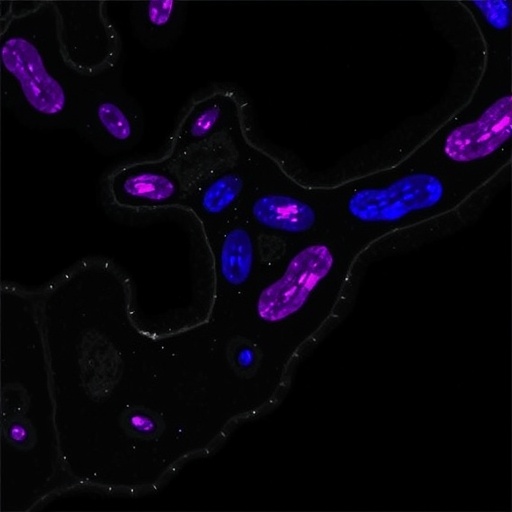
Recent research has unveiled critical insights into the biological mechanisms underlying retroperitoneal liposarcoma (RPLS), a rare and aggressive form of cancer originating from fat tissue in the retroperitoneum. In a pioneering study conducted by Zhang et al., it has been demonstrated that the aryl hydrocarbon receptor nuclear translocator 2 (ARNT2) plays a significant role in the transcriptional activation of the STRA6 gene, leading to the reprogramming of fatty acid metabolism. This metabolic shift is believed to contribute to the progression of RPLS, which poses challenges in treatment due to its complexity and the surrounding critical anatomical structures.
The study emphasizes that the STRA6 gene, crucial for retinol uptake and cellular metabolism, serves as a metabolic hub that interacts with various signaling pathways. The activation of STRA6 through ARNT2 not only enhances fat uptake and utilization but also promotes cell proliferation, emphasizing the importance of metabolic alterations in cancer cell survival and growth. These findings highlight a promising area of research that may pave the way for potential therapeutic interventions targeting this intricate metabolic network.
One of the intriguing aspects of the research is the alternative splicing of genes involved in fatty acid metabolism. This splicing is influenced by various factors, including hypoxic conditions often found in tumor microenvironments. The hypoxic state can lead to increased levels of ARNT2, which in turn promotes the transcription of STRA6. This interplay between oxygen levels and metabolic pathway regulation underscores the cancer cells’ adaptability and their capability to thrive under unfavorable conditions, a hallmark of tumor progression.
Identifying how ARNT2 activation affects the tumor microenvironment is another significant outcome of this research. The study reveals that the elevated levels of STRA6 not only affect cancer cells themselves but also alter the surrounding stromal cells. Fatty acid release into the microenvironment can result in a supportive niche for the tumor, facilitating greater progression and metastatic potential. This finding marks a critical advancement in understanding the multifaceted relationship between fat metabolism and cancer biology.
Furthermore, the research delves into the potential therapeutic implications arising from these findings. The metabolic vulnerabilities identified in RPLS may open doors to targeted therapies that disrupt ARNT2 or STRA6 function. By mitigating the metabolic adaptions utilized by cancer cells to support their growth, novel strategies could emerge to effectively combat this challenging cancer type. Targeting STRA6, for example, might impede not only fatty acid uptake but also limit the tumor’s overall metabolic flexibility.
The study also raises awareness of the implications of fatty acid metabolism in the context of cancer treatment resistance. Cancer cells often exploit metabolic pathways to evade apoptosis and resist chemotherapeutics. By elucidating the mechanisms of ARNT2 and STRA6, this research invites a re-evaluation of current treatment paradigms in RPLS and potentially other cancer types that exhibit similar metabolic dependencies.
Disruption of metabolic pathways as a treatment strategy is not without challenges, however. The complexity of cellular metabolism, coupled with the heterogeneity present within tumors, makes it essential to further explore the nuances of these pathways. Research into patient-derived models may provide a clearer picture of how different genetic backgrounds influence metabolism and response to targeted therapies, enhancing the personalization of treatment approaches.
In addition,, the discovery of ARNT2’s role in regulating STRA6 emphasizes the need for more comprehensive biomarker assessments in liposarcoma. Identifying patients who are likely to benefit from therapies targeting this metabolic axis could optimize treatment outcomes. Translational studies may be needed to assess the efficacy of ARNT2 or STRA6 inhibitors in clinical trials, with an emphasis on using biomarkers to gauge response.
While the research is groundbreaking, it also illustrates the ongoing journey of cancer biology and the necessity for collaboration across disciplines. Integrating molecular biology, bioinformatics, and clinical oncology provides a more holistic understanding of how metabolic reprogramming contributes to cancer progression. Innovative approaches will be necessary to fully unravel the complex web of interactions at play within the tumor microenvironment that promotes aggressiveness in RPLS.
Additionally, the study contributes to the broader discourse surrounding the relationship between metabolism and cancer. With increasing recognition of cancer as a metabolic disease, the findings from Zhang et al. resonate with contemporary perspectives that seek to investigate how metabolic pathways fuel cancer growth. Exploiting these metabolic dependencies presents an exciting frontier in designing future cancer therapies, potentially leading to more effective and less toxic treatment modalities.
As research continues to evolve, investigating the clinical implications of ARNT2-driven pathways could lead to significant breakthroughs. The necessity for continued exploration into the role of fatty acid metabolism in RPLS progression, particularly in conjunction with established treatment methods, cannot be overstated. Addressing these questions may enhance the overall landscape of cancer treatment, offering new hope for patients afflicted by this challenging disease.
In conclusion, the study by Zhang et al. sets a crucial foundation for understanding the intricate links between ARNT2, STRA6, and fatty acid metabolism in retroperitoneal liposarcoma. The insights gained pave the way for future investigations that may ultimately lead to innovative therapeutic strategies tailored to target these metabolic pathways. With further research, the potential to transform the treatment landscape for RPLS could soon become a reality, offering prospects for improved patient outcomes and quality of life.
To sum up, the key findings from this study highlight the critical role that metabolic reprogramming plays in cancer progression, specifically in liposarcoma. As researchers continue to uncover the underlying mechanisms, a clearer picture of potential intervention strategies will emerge, reinforcing the importance of metabolic considerations in cancer therapeutic development.
Zhang, J., Guo, H., Ban, B. et al. ARNT2-driven transcriptional activation of STRA6 reprograms fatty acid metabolism to promote retroperitoneal liposarcoma progression. J Cancer Res Clin Oncol 151, 296 (2025). https://doi.org/10.1007/s00432-025-06352-1
Cite Scienmag News
Nathaniel Bowman. (October 19, 2025). ARNT2 Activates STRA6, Fueling Liposarcoma Progression. Scienmag. https://scienmag.com/arnt2-activates-stra6-fueling-liposarcoma-progression/
Nathaniel Bowman. "ARNT2 Activates STRA6, Fueling Liposarcoma Progression." Scienmag, 19 October 2025, https://scienmag.com/arnt2-activates-stra6-fueling-liposarcoma-progression/. Accessed 4 September 2026.
Nathaniel Bowman. "ARNT2 Activates STRA6, Fueling Liposarcoma Progression." Scienmag. October 19, 2025. https://scienmag.com/arnt2-activates-stra6-fueling-liposarcoma-progression/


