


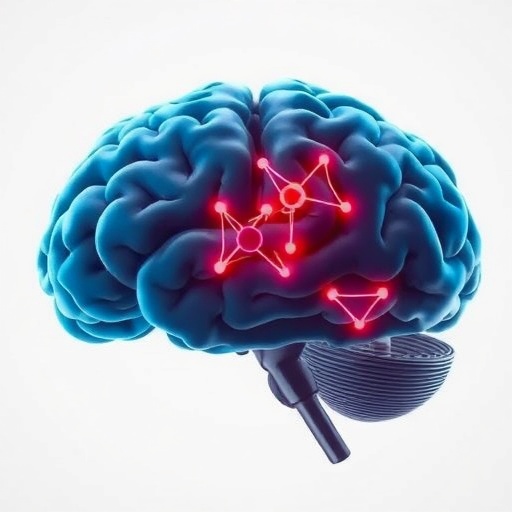
Recent research has unveiled exciting insights into the neurobiological underpinnings of post-stroke depression, shedding light on the interplay between diet, brain signaling pathways, and gut microbiota. By focusing on arabinoxylan, a hemicellulose found in plant cell walls, scientists are beginning to understand its potential impact on mood regulation and cognitive function. The study led by Bi, Lin, and Huang demonstrated significant effects of arabinoxylan supplementation on the Brain-Derived Neurotrophic Factor (BDNF), TrkB, and phosphorylated cAMP Response Element–Binding protein (p-CREB) signaling pathways in the prefrontal cortex. This groundbreaking work paves the way for new therapeutic strategies that incorporate dietary elements for managing depression following cerebrovascular events.
Understanding the BDNF signaling pathway is crucial as BDNF plays a vital role in neuronal health, influencing neurogenesis, synaptic plasticity, and overall cognitive function. In the aftermath of a stroke, the disruptions in BDNF levels can contribute to the onset of depressive symptoms, which are prevalent in post-stroke patients. This study marks a pivotal step in exploring how dietary interventions could modulate such key pathways, thereby offering hope for improved mental health outcomes.
The prefrontal cortex, a critical region for higher cognitive functions and emotional regulation, demonstrates altered signaling in response to stroke-induced stressors. The researchers meticulously monitored changes in the activation of TrkB and p-CREB to gauge the effects of arabinoxylan. Their findings suggest that arabinoxylan not only elevates BDNF levels but also enhances the activation of both TrkB and p-CREB, leading to an overall optimized neuronal environment. Such results underline the potential of natural supplements in mitigating the adverse effects of post-stroke depression.
One of the most compelling aspects of this research involves the gut-brain axis and how the intestinal microbiome interacts with neurological health. The study revealed significant alterations in the gut microbiome composition in post-stroke depressed rats, highlighting an essential link between gut health and mental well-being. The incorporation of arabinoxylan significantly modulated these microbiota shifts, indicating that dietary fibers can serve as a potential means of influencing not only gut health but also brain function through microbiota-mediated pathways.
The implications of these findings extend beyond mere academic interest. With stroke being one of the leading causes of disability worldwide, the identification of dietary interventions represents a transformative approach to health care. As the pharmaceutical treatments for depression often come with a host of side effects and varying success rates, naturally-derived options like arabinoxylan could be integrated into therapeutic protocols to enhance patient recovery and rehabilitation.
Interestingly, arabinoxylan, commonly found in foods such as whole grains, fruits, and vegetables, holds promise as a widely available and affordable dietary intervention. Public health campaigns promoting the consumption of fibrous foods might not only contribute to cardiovascular health but also support mental health, particularly in individuals with a history of stroke. This study positions arabinoxylan as a powerful ally in the management of post-stroke depression, potentially reshaping dietary recommendations in clinical settings.
Moreover, future research will need to focus on the specific mechanisms by which arabinoxylan influences gut microbiota. Understanding which bacterial populations are positively affected and how these changes translate into behavioral and cognitive improvements could unlock new avenues for targeted therapies. There is considerable excitement surrounding the idea that specific strains of beneficial bacteria might be harnessed alongside dietary fibers to create a synergistic effect in enhancing mental wellness.
Continued investigation into the dose-response relationship of arabinoxylan is essential. Determining the optimal intake needed for significant effects on BDNF levels, signaling pathways, and microbiome composition will aid in crafting evidence-based dietary guidelines. Such research endeavors could ultimately lead to clinical trials designed to firmly establish the efficacy of arabinoxylan as a treatment adjunct for not only post-stroke depression but potentially other forms of stress-induced mood disorders.
As we look to the future, interdisciplinary collaborations will play a vital role in fully dissecting the implications of these findings. Neurobiologists, nutritionists, and psychologists must work together to create a comprehensive understanding of how dietary components influence extensive neurobiological frameworks. This integrated approach could unravel the complexities of mood disorders and gastrointestinal health, opening new frontiers in therapeutic development.
While the findings of this research are promising, they also evoke a larger conversation about the role of nutrition and lifestyle factors in mental health. With the rising incidence of mental health issues across the globe, there lies a vested interest in holistic approaches that emphasize diet, exercise, and mental well-being. Initiatives encouraging healthier eating habits could serve to empower individuals to take an active role in their mental health, potentially reducing the burden of depressive symptoms linked to neurological injuries.
Overall, the exploration of arabinoxylan’s effects on BDNF, TrkB, and p-CREB signalling pathways in post-stroke depression is a testament to the potential of nutrition science in addressing complex neuropsychiatric challenges. As researchers continue to investigate the rich interplay between the gut and brain, new opportunities will emerge, potentially transforming treatment paradigms in mental health care. This work calls for a broader awareness of how our dietary choices can significantly shape not only our physical health but also our emotional resilience and cognitive capacities.
Through ongoing research and clinical applications, the potential benefits of simple dietary changes are becoming increasingly visible. More than just an academic exercise, these studies could catalyze a shift in how we approach dietary recommendations related to mental health and recovery from neurological conditions. The future of managing post-stroke depression may not only lie in pharmacological treatments but rather in a holistic, multifaceted approach embracing dietary interventions, thereby offering renewed hope to millions worldwide.
Bi, By., Lin, L., Huang, L. et al. Effects of arabinoxylan on BDNF/TrkB/p-CREB signaling pathway in the prefrontal cortex and intestinal microbiome in post-stroke depressed rats.
BMC Neurosci 26, 40 (2025). https://doi.org/10.1186/s12868-025-00964-6
Cite Scienmag News
Cassandra Pierce. (December 1, 2025). Arabinoxylan Enhances Brain Signaling in Post-Stroke Depression. Scienmag. https://scienmag.com/arabinoxylan-enhances-brain-signaling-in-post-stroke-depression/
Cassandra Pierce. "Arabinoxylan Enhances Brain Signaling in Post-Stroke Depression." Scienmag, 1 December 2025, https://scienmag.com/arabinoxylan-enhances-brain-signaling-in-post-stroke-depression/. Accessed 5 September 2026.
Cassandra Pierce. "Arabinoxylan Enhances Brain Signaling in Post-Stroke Depression." Scienmag. December 1, 2025. https://scienmag.com/arabinoxylan-enhances-brain-signaling-in-post-stroke-depression/


