


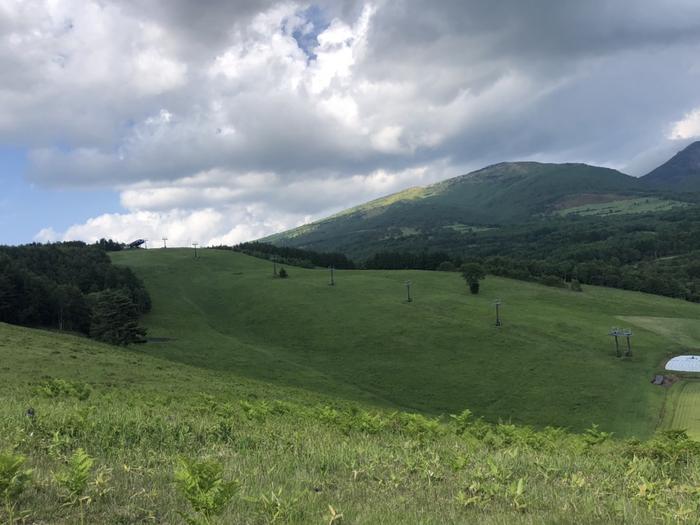
Restoring abandoned grasslands post-woody vegetation removal presents a glimmer of hope for the revival of biodiversity, a clear revelation echoed by the groundbreaking findings from Kobe University. As land use changes and abandonment contribute to a dire decline in global grassland biodiversity, efforts to restore these vital ecosystems become increasingly urgent. The research led by the ecologist Ushimaru Atushi, alongside graduate student Hirayama Gaku, underscores a stark timeline: it requires over 75 years of uninterrupted management for recovered grasslands to achieve a biodiversity level akin to ancient grasslands. This revelation, delivered unequivocally, stresses the slow recovery of specialized pollinators that are integral to the health of these ecosystems.
Hirayama articulates the distinct advantage of utilizing ski slopes as research sites, as they uniquely house areas of grasslands reflecting various management durations in a condensed geographical location. This choice exemplifies an innovative approach to ecological research, where the interplay between different management practices can effectively be assessed within a limited scope. The study draws upon a unique ecological niche, providing a natural laboratory for examining how varied lengths of consistent land management influence plant and pollinator dynamics.
A significant aspect of their findings points to the slower recovery rate of insect-pollinated plants vis-a-vis wind-pollinated alternatives, thus prompting an investigation into the pollinators themselves. This insight reveals an underlying complexity in the restoration of grassland biodiversity, highlighting that merely reintroducing plant species is not sufficient; the pollinator communities must also be considered in restoration efforts. Detailed analysis indicates that the recovery of pollinator communities is inherently tied to the duration of management practices, elucidating a lag in the return of specialized pollinators even after the vegetation appears restored.
Evidently, the research employs a comparative lens, contrasting pollinator communities associated with newly recovered grasslands against those present in ancient, continuously managed grasslands. The data shows that after 75 years of management, while plant diversity may reach comparable levels to ancient ecosystems, the associated pollinator community remains less specialized. Pollinators are primarily generalist species in restored areas, such as flies and hoverflies, which tend to contribute to inefficient pollination across diverse plant species rather than focusing on specific ones.
This inefficiency underscores the critical need for more proactive restoration strategies. Simply allowing nature to take its course is insufficient in recovering the intricate relationships between plants and their specialized pollinators. Conserving existing old grasslands as sanctuaries for these specialized species should be prioritized to maintain ecological resilience at landscapes that have historically supported diverse communities. The findings assert the necessity for more involved human action, ranging from the planting of native plant species to the strategic sowing of seeds that attract specialized pollinators such as bees and butterflies.
Hirayama’s reflections epitomize the broader implications of this research, suggesting that loss of biodiversity should initiate a paradigm shift in how restoration strategies are conceptualized and executed. As grassland ecosystems play a crucial role not only in biodiversity support but also in climate regulation, the intersection of land management practices and restoration methodologies is invaluable. The intricate dynamic between the management period and the specialization of pollinators unveils the nuanced relationships that define grassland ecosystems, further emphasizing that historical land use cannot merely be replicated; it must be thoughtfully restored.
Through meticulous observational studies presented in the Journal of Applied Ecology, the research sets a clear trajectory for future investigations in ecological restoration. It calls upon ecologists and conservationists alike to reevaluate their strategies and consider long-term management as an essential component in the race against biodiversity loss, particularly in grasslands worldwide. As grasslands continue to face existential threats from agricultural intensification and urbanization, the lessons drawn from this study will be pivotal in shaping resilient and diverse ecosystems for future generations.
Overall, Kobe University’s research establishes a crucial understanding of the interdependencies present in restored ecosystems. It resonates with the global community of conservationists, offering actionable insights into the restoration process. By acknowledging the intricacies of ecological networks, stakeholders can better strategize ways to combat the downward spiral of biodiversity loss. The compelling evidence presented opens avenues for innovative approaches in land management, urging a collective responsibility towards more sustainable practices.
The importance of preserving ancient grasslands cannot be overstated, as they serve not only as vital reserves for many specialized species but as critical buffers against the cascading effects of climate change. As this research promotes an informed discourse on sustainable management practices, it highlights the need for cooperation among researchers, policymakers, and the public to foster an ecosystem where both plants and pollinators can thrive together in harmony.
In the end, as restoration efforts gain momentum around the world, it is imperative that the lessons learned from this research are embedded within broader ecological and conservation frameworks. By recognizing the delicate balance between management practices and biodiversity recovery timelines, we can work collectively towards a future where biodiversity is not just preserved but flourishes energetically in grassland ecosystems.
Keywords
Biodiversity, Grasslands, Restoration, Pollinators, Conservation, Ecosystems, Sustainability, Management Practices, Kobe University, Research, Ecology, Invasive Species
Cite Scienmag News
Denise Maddox. (March 13, 2025). Anticipating the Return: Bees in Restored Grasslands After Extended Absence. Scienmag. https://scienmag.com/anticipating-the-return-bees-in-restored-grasslands-after-extended-absence/
Denise Maddox. "Anticipating the Return: Bees in Restored Grasslands After Extended Absence." Scienmag, 13 March 2025, https://scienmag.com/anticipating-the-return-bees-in-restored-grasslands-after-extended-absence/. Accessed 3 September 2026.
Denise Maddox. "Anticipating the Return: Bees in Restored Grasslands After Extended Absence." Scienmag. March 13, 2025. https://scienmag.com/anticipating-the-return-bees-in-restored-grasslands-after-extended-absence/


