

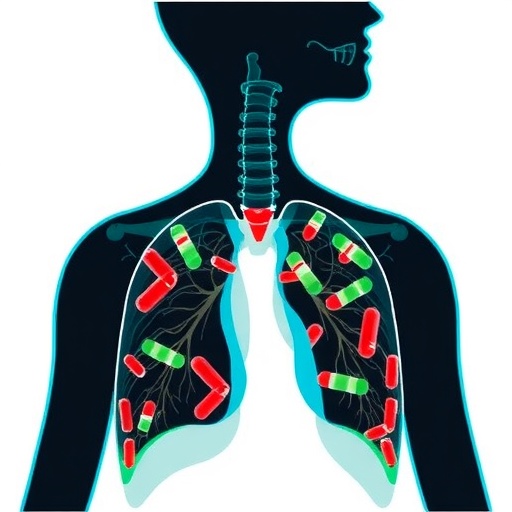
Emerging research has captured the attention of the medical community regarding the antibiotic treatment of patients suffering from chronic obstructive pulmonary disease (COPD), particularly during acute exacerbations of their condition. This new study, spearheaded by a team of researchers comprising Agarwal, Shin, and Malecki, seeks to unveil the complexities surrounding antibiotic use within this specific patient demographic, which historically has posed challenges in management and treatment protocols. Chronic obstructive pulmonary disease is known for its debilitating effects on respiratory function, leading to significant morbidity and mortality, underscoring the importance of effective therapeutic strategies.
The study focuses on a multicenter retrospective cohort analysis, highlighting the variations in antibiotic prescribing patterns across several hospitals. This extensive research aims to understand the appropriateness and efficacy of antibiotics during acute exacerbations in COPD patients, a time when their respiratory system is under considerable strain. The researchers dive deep into patient records, meticulously dissecting treatment plans to identify which antibiotics were prescribed, at what frequency, and under what circumstances, thus providing a comprehensive overview of current prescribing practices.
COPD exacerbations are often triggered by infections, such as pneumonia or viral illnesses, leading to the assumption that antibiotics could alleviate symptoms and prevent further complications. However, this study challenges previous notions by examining whether antibiotics truly contribute to better health outcomes or if their use has become a routine practice, independent of clinical evidence. Through rigorous data analysis, the authors aim to pinpoint instances where antibiotics may be over-prescribed, potentially contributing to increased antibiotic resistance, a growing global health concern.
The findings from this study are particularly relevant given the backdrop of rising antibiotic resistance, where unnecessary antibiotic prescriptions can exacerbate public health crises. The researchers emphasize the need for clinicians to carefully evaluate the necessity of antibiotics during exacerbations and to rely on established guidelines rather than historical practices. They urge that, with a solid understanding of the underlying causes of COPD exacerbations, healthcare professionals can make informed decisions that can improve patient care and outcomes.
In exploring the demographic factors influencing antibiotic prescribing, the researchers also shed light on the role of age, comorbidities, and prior hospitalization in determining treatment paths. This multi-dimensional approach provides insight into how patient profiles may impact clinical decision-making and treatment efficacy, furthering the discourse on personalized medicine tailored to individual patient needs. By dissecting these aspects, the study seeks to create a paradigm shift in the way COPD exacerbations are managed, emphasizing a tailored approach that goes beyond one-size-fits-all solutions.
Moreover, one of the most intriguing aspects of the study is its examination of the gaps in education regarding appropriate antibiotic use in COPD management among healthcare professionals. The researchers propose that continuous education and training for healthcare providers could be pivotal in altering prescribing behaviors and ensuring that only the most fitting treatments are administered. This educational push is essential not only for optimizing patient outcomes but also for preserving the efficacy of antibiotics for generations to come.
The study’s implications extend beyond just clinical practice; they touch upon policy decisions and guidelines set forth by health organizations worldwide. As the research aligns with the global imperative to combat antibiotic resistance, it calls for increased awareness and adjustments in prescribing guidelines that specifically address COPD exacerbations. Policymakers are urged to consider the recommendations of such studies in order to formulate robust strategies that can curtail unnecessary antibiotic use.
Furthermore, the study highlights the importance of multidisciplinary collaboration in managing COPD exacerbations effectively. Involving pharmacists, respiratory therapists, and other healthcare professionals in the treatment decision process can significantly enhance the quality of care offered to patients. This collaborative approach ensures that patients receive well-rounded treatment plans that account for both pharmacological and non-pharmacological interventions, which are crucial for managing chronic diseases.
The researchers conclude by asserting that their study serves as a springboard for future research endeavors aimed at refining treatment protocols for COPD exacerbations. As the field of pulmonary medicine evolves, continuous investigation into antibiotic use and overall treatment strategies will remain central to improving patient outcomes. In light of the research presented, it is evident that a shift in both clinical practice and education around COPD management is urgently needed.
As we look toward the future, the insights gained from this study not only pave the way for improved practices but also foster a deeper understanding of the intricate relationship between antibiotics and chronic respiratory diseases. The challenges identified in the study serve as a clarion call for all stakeholders involved in COPD management to reevaluate existing treatment paradigms and commit to progressive changes that prioritize patient health and safety.
In summary, the exploration of antibiotic use during acute exacerbations of chronic obstructive pulmonary disease offers valuable lessons that resonate throughout the medical community. By critically assessing current practices, embracing education, and promoting collaboration, we can ensure that we are moving toward more effective, evidence-based treatments that meet the evolving needs of patients suffering from this debilitating disease.
Subject of Research: Antibiotic use in patients with acute exacerbations of chronic obstructive pulmonary disease.
Article Title: Antibiotic Use in Patients with Acute Exacerbations of Chronic Obstructive Pulmonary Disease: A Multicenter Retrospective Cohort Study.
Article References: Agarwal, A., Shin, S., Malecki, S. et al. Antibiotic Use in Patients with Acute Exacerbations of Chronic Obstructive Pulmonary Disease: A Multicenter Retrospective Cohort Study. J GEN INTERN MED (2026). https://doi.org/10.1007/s11606-025-10161-0
Image Credits: AI Generated
DOI: https://doi.org/10.1007/s11606-025-10161-0
Keywords: Antibiotic use, chronic obstructive pulmonary disease, acute exacerbations, antibiotic resistance, multicenter study, treatment protocols, healthcare collaboration.


