

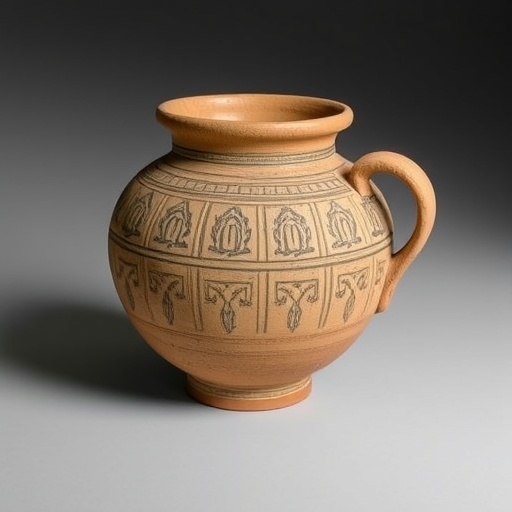
In a fascinating new study, researchers have delved into the intricacies of Late Bronze Age culture through the analysis of painted decorated ware from Aşağıseyit Höyük in Western Anatolia. This archaeometric approach not only sheds light on the artistic expressions of that era but also provides crucial insights into the socio-economic dynamics of the time.
The Late Bronze Age, specifically in the region of Anatolia, serves as a rich backdrop for understanding the interplay of various cultures. The painted decorated ware discovered at Aşağıseyit Höyük exemplifies artistry that is both complex and reflective of the societal values of its makers. This study meticulously explores the materials, techniques, and styles used in these artifacts, revealing a tapestry of cultural exchange and innovation during a pivotal time in human history.
Researchers utilized state-of-the-art archaeometric techniques to dissect the chemical and physical properties of the ceramic materials. By employing methods such as X-ray fluorescence and scanning electron microscopy, they were able to identify the raw materials used in production and to establish a timeline of stylistic developments. The results underscore not only the craftsmanship of the artisans but also their access to resources that spanned across regions, indicating a sophisticated trading network.
In examining the decorative motifs, the study highlights a blend of influences that have likely traversed geographical boundaries. The use of specific pigments and patterns suggests interactions with neighboring cultures, which could provide a broader narrative about migration and trade. These findings serve as a compelling reminder of the interconnectedness of ancient societies, emphasizing that art was not merely a reflection of local identity but also a conduit for shared ideas.
The researchers also recorded the context in which these artifacts were found, contributing significantly to the understanding of the social and ritual practices of the time. Many of the painted wares were discovered in burial contexts, suggesting they held particular significance for the communities. This connection between the material culture and funerary rituals points to the role of decoration not only as an aesthetic choice but also as a vital component of spiritual and cultural identity.
By integrating archaeological data with material analysis, the study reveals broader patterns in technological advancements during the Late Bronze Age. The continuous improvement in ceramic production techniques reflects a society that was innovating and adapting, paving the way for future artistic traditions. This knowledge not only enriches our understanding of the past but also offers valuable lessons on resilience and creativity in the face of challenges.
As the research team unpacks the layers of history held within the decorated wares, they invite a larger conversation about the preservation of such artifacts. As globalization threatens many cultural heritages, the findings at Aşağıseyit Höyük serve as a reminder of the importance of safeguarding historical sites. Protecting these remnants of past societies ensures that future generations can continue to learn from and be inspired by them.
The cultural narratives embedded in the painted ware are a reflection of the people who created them. The vibrant colors and intricate designs speak volumes about their aesthetic values and the environment in which they lived. It is essential to appreciate that these artifacts are not simply objects but are imbued with the thoughts and beliefs of those who once wielded them. This study emphasizes the need for a holistic approach to archaeology, one that considers not only the physical remnants but also the stories they tell.
The implications of this research extend far beyond the classroom. The data and interpretations put forth have the potential to inform contemporary art practices, encouraging modern artisans to draw inspiration from ancient techniques and styles. In our rapidly changing world, where artistic expression often grapples with questions of identity and authenticity, revisiting historical precedents can provide grounding and perspective.
Furthermore, the academic community is urged to share these findings widely. By disseminating this knowledge through various platforms, including public forums and social media, the researchers can engage a broad audience, inspiring a renewed interest in archaeology and ancient history. The power of storytelling lies within the research, as the ancient narratives of Aşağıseyit Höyük resonate with contemporary themes of connectivity and cultural evolution.
In conclusion, the excavation and study of Late Bronze Age painted decorated ware at Aşağıseyit Höyük not only illuminate the intricacies of ancient craftsmanship but also weave a rich tapestry of cultural interaction. By employing advanced archaeometric techniques, the research team has opened a window into a vibrant past, underscoring the timeless nature of human creativity. As we look back on the legacy of these ancient artisans, we are reminded of the enduring impact of art on our shared human experience.
In taking a closer look at the materials and techniques involved in the making of these wares, it’s crucial to understand the importance of resource availability. The researchers have noted that the variety of raw materials used implies a well-established crafting tradition. Additionally, the detailed analytical methods employed reveal the artisans’ careful choice in colorants and clays, contributing to the rich aesthetic quality of the ware. This sophistication invites us to reconsider the knowledge systems of ancient cultures, challenging the notion of technological inferiority often ascribed to them.
Through this study, the researchers have set a precedent for future archaeometric investigations, highlighting the importance of interdisciplinary approaches to the interpretation of material culture. As they encourage collaboration across fields such as chemistry, anthropology, and art history, they pave the way for more comprehensive understandings of human behavior and creativity throughout history.
Ultimately, the work that has emerged from Aşağıseyit Höyük not only honors the past but also inspires a thoughtful dialogue about our present and future. By recognizing and celebrating the artistry and ingenuity of ancient cultures, we cultivate a deeper appreciation for the continuum of human expression that stretches back millennia.
With the results from this study, it is clear that late Bronze Age painted decorated wares were more than mere objects—they were powerful symbols of identity, community, and continuity. The echoes of Aşağıseyit Höyük resonate with us today, reminding us that the stories of our ancestors are not forgotten but live on through their creations.
Subject of Research: Late Bronze Age painted decorated ware from Aşağıseyit Höyük in Western Anatolia
Article Title: Late bronze age painted decorated ware in Western anatolia: an archaeometric approach from Aşağıseyit Höyük (Denizli, Türkiye)
Article References:
Konakçı, E., Semiz, B., Kibaroğlu, M. et al. Late bronze age painted decorated ware in Western anatolia: an archaeometric approach from Aşağıseyit Höyük (Denizli, Türkiye).
Archaeol Anthropol Sci 17, 243 (2025). https://doi.org/10.1007/s12520-025-02354-9
Image Credits: AI Generated
DOI: https://doi.org/10.1007/s12520-025-02354-9
Keywords: Late Bronze Age, Aşağıseyit Höyük, painted decorated ware, archaeometry, cultural exchange, material culture.


