


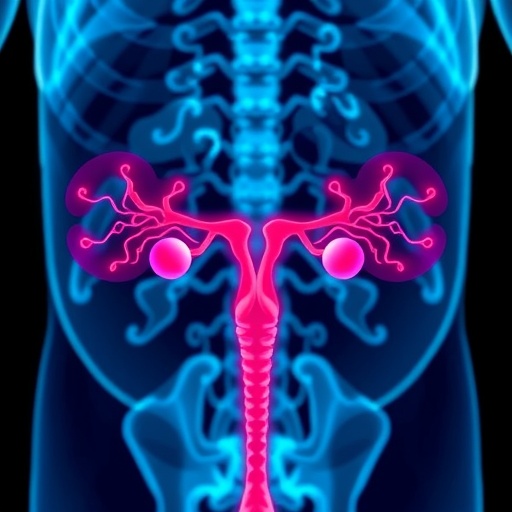
In the evolving landscape of oncology, the intersection of artificial intelligence (AI) and machine learning (ML) with medical science is paving a revolutionary path for the detection, treatment, and prevention of ovarian cancer. The recent study conducted by Singh, Betgeri, and Kakar sheds light on how modern computational techniques are set to transform the diagnosis and management of this complex disease, which has long been a leading cause of gynecological cancer deaths worldwide.
Ovarian cancer, known for its subtle onset and vague symptoms, often remains undetected until advanced stages when treatment options are limited. Traditional diagnostic methods, primarily reliant on imaging and tumor marker assays, have shown limitations in their ability to provide timely and accurate assessments. This is where AI and ML come into play, offering novel methodologies that harness large data sets and sophisticated algorithms to enhance detection rates significantly.
Utilizing AI technologies allows for the analysis of vast quantities of data generated not only from clinical records but also from genomic sequencing and high-resolution imaging. An integral component of this research is the development of algorithms that can learn different patterns associated with ovarian cancer. These patterns can be drawn from the unique genetic markers that are often overlooked or misinterpreted by human practitioners. As these systems evolve, they are expected to increase diagnostic accuracy, which can lead directly to earlier intervention and improved treatment outcomes.
In treatment, machine learning algorithms are being tailored to predict patient responses to various therapeutic regimens. By analyzing historical data from patients, including demographic information and tumor characteristics, these systems can potentially forecast how specific patients will respond to particular therapies, thereby personalizing treatment plans. This approach not only optimizes clinical outcomes but can also spare patients from unnecessary side effects from ineffective treatments.
Moreover, the role of AI in precision medicine isn’t confined to therapy alone. Predictive analytics derived from machine learning can accurately assess the risk factors associated with ovarian cancer, thereby aiding in preventative strategies. For instance, high-risk individuals identified through data mining and risk assessment models may benefit from preventive surgeries or enhanced monitoring protocols. Such proactive measures stand to change the landscape of ovarian cancer from reactive to more preventative strategies, which could be life-changing for at-risk women.
The integration of AI in ovarian cancer research is also significant in the realm of clinical trials. With the capability to analyze outcomes and identify suitable candidates based on a host of parameters, machine learning can enhance the efficiency of clinical trials. By streamlining recruitment processes and enabling real-time monitoring of trial results, AI technologies can facilitate faster and more robust data collection, speeding up the timeline from research to clinical application.
Despite these promising advancements, the application of AI in healthcare, particularly in oncology, is not without its challenges. Ethical considerations, such as data privacy, informed consent, and algorithmic bias, must be a focal point in ongoing discussions within the scientific community. The reliability of AI systems hinges on the quality and diversity of the data fed into them. Therefore, rigorous testing protocols must be established to ensure that these systems do not propagate biases that could lead to health disparities among various populations.
Furthermore, the acceptance of AI technologies among healthcare professionals is crucial. Resistance to adopting new technologies could stem from a lack of understanding or fear of obsolescence. It is vital to foster a collaborative environment where AI tools are seen as extensions of clinical expertise rather than replacements. Continued education and training for medical practitioners in these technologies will be pivotal in addressing such concerns.
As we venture further into the era of AI and ML in medicine, ongoing research must seek to not only enhance diagnostic and therapeutic modalities but to ensure these advancements are equitable and accessible to all populations. The alignment of technology, ethics, and patient-centered care will dictate the future success of AI interventions in the realm of ovarian cancer and beyond.
The study by Singh, Betgeri, and Kakar stands as a beacon of hope, illustrating how innovative technologies can profoundly reshape the landscape of medical science. By continuing to explore the potential of AI and machine learning, researchers and clinicians can work together to eradicate the increasingly pressing challenges posed by this enigmatic disease. The future of ovarian cancer diagnosis and treatment is not just on the horizon—it is being constructed now, piece by piece, through the lens of advanced technological prowess.
As the world grapples with the escalating burden of cancer, harnessing the power of AI and ML heralds a new chapter in oncology. The findings from this study represent a significant step forward, underscoring the importance of integrating technology with healthcare to improve outcomes for patients battling ovarian cancer. With committed research and collaboration, the healthcare community can look forward to a future where ovarian cancer is not only detected earlier but treated more effectively, enhancing the quality of life for countless women across the globe.
Singh, M., Betgeri, S.N. & Kakar, S.S. Artificial intelligence (AI) and machine learning (ML) in ovarian cancer: transforming detection, treatment, and prevention. J Ovarian Res (2026). https://doi.org/10.1186/s13048-026-01979-1
Cite Scienmag News
Nathaniel Bowman. (January 28, 2026). AI and Machine Learning Revolutionize Ovarian Cancer Care. Scienmag. https://scienmag.com/ai-and-machine-learning-revolutionize-ovarian-cancer-care/
Nathaniel Bowman. "AI and Machine Learning Revolutionize Ovarian Cancer Care." Scienmag, 28 January 2026, https://scienmag.com/ai-and-machine-learning-revolutionize-ovarian-cancer-care/. Accessed 3 September 2026.
Nathaniel Bowman. "AI and Machine Learning Revolutionize Ovarian Cancer Care." Scienmag. January 28, 2026. https://scienmag.com/ai-and-machine-learning-revolutionize-ovarian-cancer-care/


