

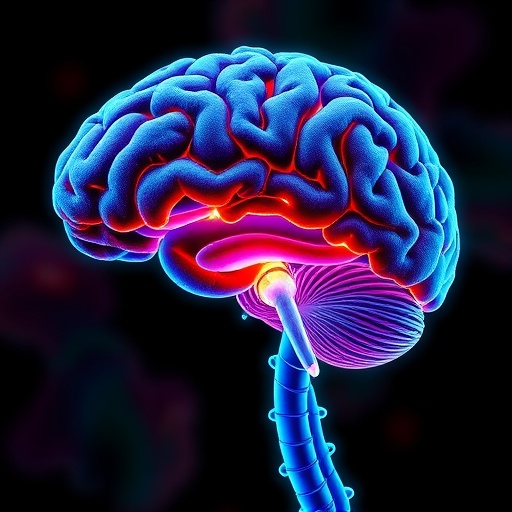
As the global population ages, neurodegenerative diseases have become a critical focus for medical research. Among these conditions, Parkinson’s disease (PD) stands out as one of the most prevalent and debilitating disorders affecting millions worldwide. The complex relationship between aging—the primary risk factor—and Parkinson’s disease has long presented challenges in understanding the precise mechanisms that drive disease onset and progression. Recent collaborative efforts, as highlighted in the seminal work by Schmidt, Cuervo, and Double and their colleagues, offer a comprehensive and innovative roadmap for advancing research models that bridge the gap between aging biology and Parkinson’s disease pathology.
Parkinson’s disease is a multifactorial neurodegenerative disorder characterized by the progressive loss of dopaminergic neurons in the substantia nigra pars compacta, resulting in hallmark motor symptoms such as tremors, rigidity, and bradykinesia. Beyond these motor disturbances, non-motor symptoms including cognitive decline, mood disorders, and autonomic dysfunction significantly diminish patients’ quality of life. Although PD is typically diagnosed in individuals over 60, the neuropathological processes are believed to begin decades earlier, underscoring the intricate interplay between normal aging processes and disease-specific pathological cascades.
One core challenge in PD research has been the development of experimental models that accurately reflect both the biological underpinnings of aging and the complex neuropathology of Parkinson’s disease. Traditional animal models often rely on genetic mutations linked to familial PD or the administration of neurotoxins to induce dopaminergic neuron loss. While informative, these approaches fall short in capturing the spectrum of age-related changes that influence disease vulnerability and progression. The collaborative roadmap proposed by Schmidt et al. advocates for an integrative paradigm that melds cutting-edge genetic engineering, advanced cellular models, and longitudinal aging studies to simulate the multifaceted nature of PD in an aging context.
Understanding aging at a cellular and molecular level is pivotal for this research initiative. Aging is typified by a gradual decline in cellular homeostasis and increased vulnerability to stressors, largely driven by mechanisms such as mitochondrial dysfunction, proteostasis imbalance, chronic inflammation, and genomic instability. These hallmarks of aging not only impair neuronal health but also exacerbate the pathological aggregation of alpha-synuclein, the hallmark proteinaceous inclusion in PD brains known as Lewy bodies. Investigating how these age-related cellular processes converge to trigger or amplify alpha-synuclein pathology is at the heart of this collaborative framework.
Mitochondrial dysfunction is a particularly salient aspect of both aging and PD. Neurons, with their high-energy demands, are especially susceptible to deficits in mitochondrial bioenergetics. Schmidt and colleagues emphasize the need to refine in vivo and in vitro models that accurately replicate mitochondrial decline over time to dissect how energy metabolism perturbations contribute to nigrostriatal degeneration. Advances in induced pluripotent stem cell (iPSC) technology allow researchers to generate patient-derived neurons that carry both genetic susceptibilities and aged phenotypes, enabling unprecedented insights into mitochondrial dynamics under disease and aging conditions.
Another important dimension in this research trajectory is the neuroimmune interface. Aging is associated with a phenomenon termed “inflammaging,” characterized by a chronic pro-inflammatory state in the central nervous system. Microglia, the brain’s resident immune cells, shift towards a primed and dysregulated phenotype with age, potentially fueling neurodegeneration in a manner that is only beginning to be unraveled. Collaborative efforts described in the roadmap prioritize the integration of immunological markers and age-matched microglial phenotypes in PD models to better understand inflammatory contributions to neuronal loss.
Proteostasis — the regulation of protein synthesis, folding, and degradation — is also profoundly affected by age and is central to PD pathology. The accumulation of misfolded alpha-synuclein and the impaired clearance of these aggregates via autophagy and the ubiquitin-proteasome system is a hallmark of disease. Aging compromises these proteostatic mechanisms, and research models must therefore incorporate these dynamics to elucidate how failure in protein homeostasis predisposes neurons to degeneration. The collaboration advocates for leveraging high-resolution imaging and real-time proteostasis assays to track alpha-synuclein aggregation kinetics in aging neurons.
Genomic and epigenomic instability further compound the vulnerability of aging neurons. DNA damage accumulates with age, influencing gene expression patterns and epigenetic landscapes that regulate neuronal function and survival. The authors propose incorporating next-generation sequencing and epigenetic profiling into longitudinal PD studies to identify key drivers of age-related genomic instability that may precipitate dopaminergic cell death.
Crucially, the proposed roadmap calls for multidisciplinary cooperation across neurobiology, gerontology, immunology, and bioinformatics to foster integrative approaches. Such collaboration will enable the generation of multi-omic datasets that provide comprehensive molecular signatures of the aging brain in health and disease. Machine learning algorithms and systems biology approaches are expected to play a pivotal role in parsing these complex data to identify novel therapeutic targets and biomarkers for early PD diagnosis.
The advancement of personalized medicine is another cornerstone of this endeavor. Understanding individual variability in aging trajectories and genetic backgrounds allows for the stratification of patient subpopulations and the tailoring of interventions. Schmidt et al. stress the importance of incorporating patient-derived cells and longitudinal clinical data into experimental paradigms to bridge translational gaps and accelerate the development of neuroprotective strategies.
Environmental factors and lifestyle influences, such as exposure to pesticides, diet, and exercise, which modulate both aging and PD risk, are gaining attention within this framework. The researchers advocate for incorporating these variables into experimental models to capture real-world complexity and identify modifiable risk factors that could delay or prevent disease onset.
One of the most promising aspects of this collaborative roadmap is the emphasis on novel therapeutic avenues that arise from a deeper understanding of aging mechanisms intersecting with PD pathology. These include strategies to enhance mitochondrial function, modulate neuroinflammation, restore proteostasis, and repair genomic damage. The development of small molecules, gene therapies, and immunomodulatory approaches rooted in this integrated model holds immense potential for altering disease trajectories.
In conclusion, the intricate intersection between aging and Parkinson’s disease necessitates a paradigm shift in how research models are developed and utilized. The roadmap put forth by Schmidt, Cuervo, Double, and colleagues represents a landmark collaborative effort to harmonize diverse scientific disciplines with the shared goal of unraveling the biological complexities that underpin PD in the context of aging. This integrative research vision promises not only to deepen our mechanistic understanding but also to accelerate the discovery of transformative therapies that are urgently needed to improve patient outcomes globally.
As these pioneering models mature and new discoveries emerge, the scientific community stands on the verge of breakthroughs that could redefine Parkinson’s disease treatment and prevention, moving towards an era where aging no longer dictates the inevitability of neurodegeneration.
Subject of Research: The intersection of aging mechanisms and Parkinson’s disease pathology with a focus on developing advanced research models.
Article Title: Unraveling the intersection of aging and Parkinson’s disease: a collaborative roadmap for advancing research models.
Article References:
Schmidt, M.Y., Cuervo, A.M., Double, K.L. et al. Unraveling the intersection of aging and Parkinson’s disease: a collaborative roadmap for advancing research models. npj Parkinsons Dis. (2026). https://doi.org/10.1038/s41531-025-01239-x
Image Credits: AI Generated


