


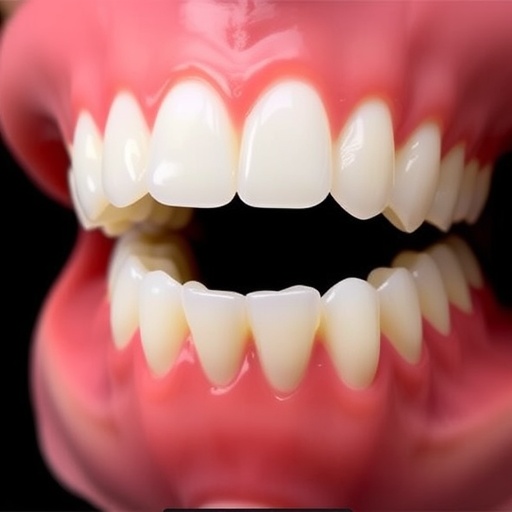
In an era where dental technology is continuously evolving, the emergence of zirconia-based materials for dental prosthetics has piqued the interest of practitioners and educators alike. A recent study published in BMC Medical Education delves into the intricacies of training dental professionals in the application of anterior and posterior zirconia cantilevered resin-bonded fixed prostheses. This research not only reflects the changing landscape of dental education, but also emphasizes the need for comprehensive training methods to accommodate advanced materials and techniques in modern dentistry.
Zirconia has been celebrated for its aesthetic qualities and strength, making it an ideal choice for fixed dental prostheses. Unlike traditional materials, zirconia offers both durability and a natural appearance, which can significantly enhance patient satisfaction in restorative dentistry. The study, led by Gosselin et al., aims to understand how educational frameworks can better prepare dental students and practitioners for the incorporation of this innovative material into their practice.
The methodology employed in this research is exhaustive and creative. It begins with a detailed examination of the current state of dental education concerning zirconia. This includes a historical perspective on the evolution of dental materials, highlighting the shift from metal-based prostheses to more biocompatible and aesthetically pleasing options. Through comprehensive surveys and observational studies, the researchers gathered data on existing training practices, identifying gaps in the knowledge and application of zirconia-specific techniques.
In discussing the design of the educational program detailed in the study, Gosselin and colleagues provide insights into essential learning outcomes expected from training dental professionals. They emphasize that training should be multifaceted—integrating theoretical knowledge, hands-on practice, and real-world application. The educators adopted a blended learning model, combining traditional lectures with interactive workshops, thereby enhancing student engagement and retention of knowledge. This approach aims to not only impart skills but to foster critical thinking and adaptability among future dental professionals.
The researchers also highlight the importance of digital technologies in modern dental training. With advancements in 3D printing and computer-aided design (CAD), students are now able to visualize and manipulate dental prosthetics in ways that were previously unimaginable. By incorporating these technologies into their curriculum, educators can ensure that students are well-versed in the digital workflow associated with zirconia cantilevered prostheses. This places them in a strong position to thrive in a field that is increasingly reliant on technological proficiency.
A critical aspect of the study focuses on the assessment of educational outcomes. Evaluating how well students grasp the concepts surrounding zirconia prosthetics is paramount. The researchers established a series of objective and subjective assessments to gauge understanding and proficiency. These assessments not only included practical examinations but also patient-based simulations to provide a real-time perspective on student performance.
Feedback from participants in the study reflects a significant shift in how dental practitioners view the importance of such specialized training. Many indicated that their confidence in employing zirconia prosthetics increased dramatically after participating in the program, underscoring the value of targeted education in improving clinical outcomes. This indicates that comprehensive training not only enhances technical skills but also supports better patient care.
The findings of Gosselin et al. also resonate with the ongoing dialogue regarding the necessity of continuous professional development. Dental education does not end upon graduation; rather, it requires lifelong learning to keep pace with technological advancements. As such, the study advocates for the creation of continuing education modules that address the evolving realm of dental materials and techniques, especially for established practitioners looking to expand their skill set.
Furthermore, the implications of this research extend beyond individual practitioners to influence the broader dental education curriculum. Institutions can benefit from revisiting their teaching methodologies and incorporating findings from studies such as this. By fostering a culture of innovation and collaboration between educators, practitioners, and materials scientists, dental schools can remain at the forefront of educational excellence and produce graduates who are well-equipped for the challenges of modern dentistry.
As dental practices continue to evolve, so too must the educational methodologies that shape the future of this field. The insights provided by Gosselin and colleagues offer a roadmap for developing robust training programs that are informed by contemporary materials and techniques. The study serves as an important reminder of the synergy between education and practice, particularly in an era where patient expectations and technological capabilities are continuously rising.
The pivotal role of educators in facilitating this transition cannot be understated. By remaining proactive and adaptable in their teaching, dental educators will cultivate a generation of practitioners who not only excel in technical skills but also understand the critical importance of using advanced materials judiciously and ethically. This forward-thinking approach will undoubtedly lead to enhanced patient outcomes and a more resilient dental profession overall.
In conclusion, the research conducted by Gosselin et al. on training in anterior and posterior zirconia cantilevered resin-bonded fixed dental prostheses establishes a foundational framework that can significantly impact dental education. By embracing the integration of innovative materials with comprehensive training strategies, the dental industry can prepare its professionals for a future that is as promising as it is challenging. This pivotal work is not just about educating practitioners; it is about redefining standards and expectations in dental care, ensuring excellence at every level of practice.
Gosselin, S., Morice, S., Le-Goff, S. et al. Training in anterior and posterior zirconia cantilevered resin-bonded fixed dental prostheses: design and educational outcomes.
BMC Med Educ (2026). https://doi.org/10.1186/s12909-026-08670-5
Cite Scienmag News
Courtney Benton. (January 26, 2026). Advancements in Cantilevered Zirconia Dental Prostheses Training. Scienmag. https://scienmag.com/advancements-in-cantilevered-zirconia-dental-prostheses-training/
Courtney Benton. "Advancements in Cantilevered Zirconia Dental Prostheses Training." Scienmag, 26 January 2026, https://scienmag.com/advancements-in-cantilevered-zirconia-dental-prostheses-training/. Accessed 3 September 2026.
Courtney Benton. "Advancements in Cantilevered Zirconia Dental Prostheses Training." Scienmag. January 26, 2026. https://scienmag.com/advancements-in-cantilevered-zirconia-dental-prostheses-training/


