

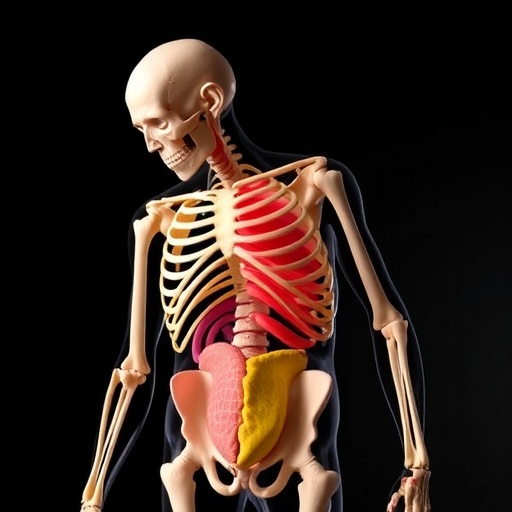
In the ever-evolving field of medical education, understanding the anatomy of the human body remains a cornerstone of effective training for future healthcare providers. A recent study titled “Bridging the gap: a survey of resident physicians’ needs for cross-sectional anatomy education and a collaborative teaching framework,” conducted by Shao et al., sheds light on the pressing requirements of resident physicians striving to enhance their anatomical knowledge and skills. As the complexity of medical treatment continues to escalate, the necessity for a solid grounding in anatomy is paramount.
The study takes an innovative approach by examining the gap between existing educational offerings and the actual needs of resident physicians. The researchers employed a survey to gather data from a diverse pool of residents, revealing insights that could reshape pedagogical strategies within medical institutions. Given that cross-sectional anatomy is pivotal in various clinical applications, the researchers advocate for a curriculum that not only emphasizes traditional teaching methods but also incorporates collaborative learning.
Cross-sectional anatomy provides fundamental insights into the body’s internal organization. By using imaging techniques such as CT and MRI, medical professionals can visualize and interpret the spatial relationships between different anatomical structures. The study indicates that resident physicians currently face significant challenges in mastering these concepts due to a lack of structured educational opportunities. The authors underscore the importance of integrating this knowledge into their daily practice to improve diagnostic and procedural competencies.
The authors of the study argue that effective education in cross-sectional anatomy is not merely an academic exercise; it is critical for enhancing patient safety and outcomes. By better understanding anatomical relationships, residents can reduce the likelihood of errors during procedures, which can have dire consequences. The research highlights the need for quality assurance in medical education that extends beyond rote memorization, focusing instead on practical applications of anatomical knowledge.
Moreover, the collaborative teaching framework proposed in the study aims to foster an environment where residents can learn from each other as well as from their instructors. This peer-to-peer learning model encourages discussion, integration of knowledge, and collaborative problem-solving, all of which are essential skills in today’s healthcare environment. The researchers suggest that interactive learning environments can stimulate interest in anatomy, making the subjects more accessible and relevant to practicing physicians.
An analysis of existing curricula reveals that many programs fall short in adequately addressing the complexity of cross-sectional anatomy. The traditional lecture format often dominates current teaching methodologies, which may not engage learners effectively. Instead, the study advocates for a blend of teaching techniques, including hands-on workshops, simulations, and digital resources, to cater to different learning styles and preferences. The use of technology in anatomy education provides a dynamic platform for visualizing intricate structures and understanding their functions.
The study’s findings have substantial implications for medical education reform. Educational institutions are encouraged to rethink their approach to anatomy instruction by integrating feedback from residents into curricular design. This participatory method ensures that the educational framework aligns with the evolving needs of healthcare providers, thereby fostering a culture of continuous improvement in medical training.
In addition to its educational implications, the survey results signal a broader trend in medical education—an increasing acknowledgment of the importance of interdisciplinary approaches. The authors suggest that involving various disciplines such as radiology, surgery, and anatomy in the teaching process can enhance understanding and application of cross-sectional anatomy. Collaborative teaching methods not only enrich the educational experience but also prepare residents for a more integrated approach to patient care.
Ultimately, the study by Shao et al. serves as a clarion call to educators and administrators in medical institutions. By highlighting the deficiencies in current teaching methods and proposing an innovative collaborative framework, the authors provide a roadmap for enhancing the quality of anatomy education. The transformation of how anatomy is taught has the potential to empower resident physicians, equipping them with the knowledge they need to excel in their careers while ensuring improved patient outcomes.
In conclusion, this pivotal research offers a much-needed impetus for change within the medical education community. It compels stakeholders to reassess their teaching methodologies and consider the voices of resident physicians as they strive to close the gap in their anatomical understanding. By prioritizing interactive and collaborative education, medical institutions can cultivate a generation of physicians who are not only knowledgeable in cross-sectional anatomy but also adept at applying this knowledge in real-world medical scenarios.
In a time where patient complexity and medical technologies are advancing rapidly, the importance of fostering a robust understanding of anatomy cannot be overstated. Therefore, the calls to action from this research should resonate throughout the medical education landscape, pushing for reform that ultimately benefits both learners and patients alike.
Subject of Research: Cross-sectional anatomy education for resident physicians
Article Title: Bridging the gap: a survey of resident physicians’ needs for cross-sectional anatomy education and a collaborative teaching framework
Article References:
Shao, Z., Xu, J., Han, J. et al. Bridging the gap: a survey of resident physicians’ needs for cross-sectional anatomy education and a collaborative teaching framework.
BMC Med Educ (2026). https://doi.org/10.1186/s12909-026-08567-3
Image Credits: AI Generated
DOI:
Keywords: Cross-sectional anatomy, medical education, resident physicians, collaborative learning, anatomical education reform.


