


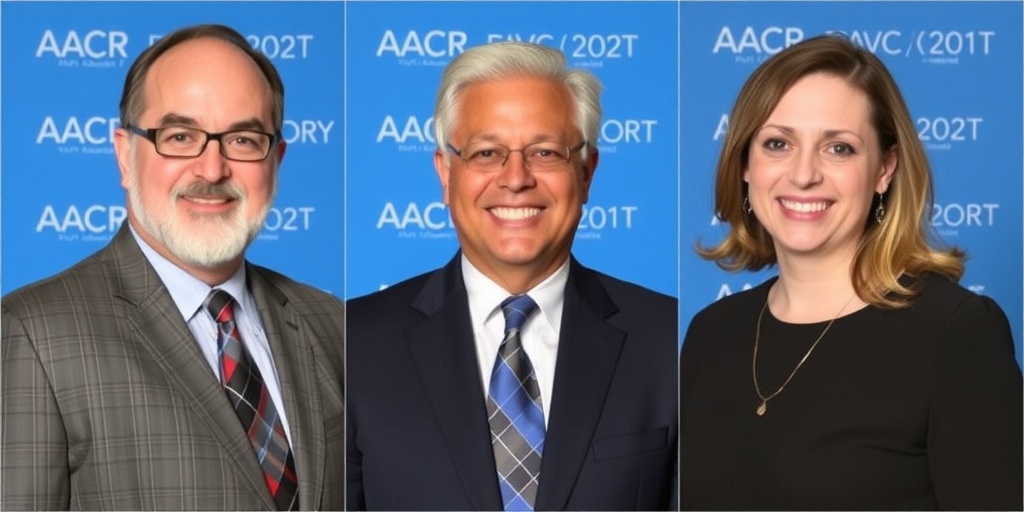
The American Association for Cancer Research (AACR) has recently unveiled its newly elected class of Fellows for the AACR Academy for 2025, which includes 33 distinguished scientists celebrated for their pioneering contributions to cancer research. This selection reflects an esteemed recognition of those whose work has significantly advanced scientific understanding and therapeutic advancements aimed at combating cancer. The AACR Academy, comprising these exceptional fellows, serves as a global expertise hub that guides innovation in cancer science and medicine, directly contributing to the mission of developing strategies to prevent and cure all types of cancer.
The process for becoming a Fellow of the AACR Academy is meticulous and peer-reviewed, ensuring that only the most impactful scientists are honored. Candidates undergo rigorous evaluation focusing on their scientific achievements and overall influence in the field of cancer research. This year’s class exemplifies a broad spectrum of expertise, encompassing various scientific disciplines that together have driven substantial progress in understanding cancer pathology and treatment modalities.
Among the newly elected fellows is Rafi Ahmed, a key figure recognized for his groundbreaking research in immunology, particularly concerning T-cell memory and exhaustion. His work has significantly influenced the evolving landscape of immunotherapy, notably in the development of PD-1 pathway blockade therapies. This innovative approach to enhance the body’s immune response against cancer has contributed substantially to the field of cancer immunotherapy.
Sir Shankar Balasubramanian stands out in this cohort with his pioneering advancements in nucleic acid research, particularly through the development of next-generation sequencing technologies. These technologies serve as the backbone of modern genomic analysis, inviting precision medicine into the realm of oncology. His contributions have not only revolutionized genome analysis but have also paved the path for enhanced understanding and therapeutic targeting of cancer-associated genetic alterations.
Bradley Bernstein is another luminary amongst the 2025 fellows. His seminal research in cancer epigenetics has unveiled new dimensions within the regulation of gene expression. His discoveries related to bivalent chromatin domains and IDH mutations have provided critical insight into tumor characteristics and have opened avenues for optimizing therapeutic approaches—strikingly illustrating how epigenomic landscapes affect cancer progression and treatment response.
Nina Bhardwaj’s notable work emphasizes the transformation of dendritic cell biology and its implications in vaccine development for cancer therapy and infectious diseases. By integrating her clinical trials with innovative immuno-adjuvants, her research directly influences treatment protocols and aims at improving patient outcomes. The practical application of her findings underscores a shift towards harnessing the immune system as an effective weapon against malignancies, encapsulating the essence of modern cancer treatment strategies.
Garrett M. Brodeur’s extensive contributions to neuroblastoma research underscore the importance of molecular biomarkers in characterizing high-risk cancers in pediatric settings. His leadership in establishing the International Neuroblastoma Staging System illustrates the crucial need for standardized risk assessments, further enhancing therapeutic strategies tailored for vulnerable populations.
Similarly, Pelayo Correa’s work on the histological progression of gastric carcinogenesis is groundbreaking. By establishing the "Correa Cascade," his research has elucidated the connection between Helicobacter pylori infection and gastric cancer. This work is pivotal not only for enhancing clinical understanding and preventive strategies but also for informing public health policies regarding infection-related cancers.
Frederic J. de Sauvage’s investigations into oncogenic signaling pathways have been paramount in the discovery of inhibitors such as vismodegib, aimed at treating basal cell carcinoma. His research highlights the critical interfaces between molecular biology and therapeutic innovation, showcasing how basic scientific inquiry can lead to substantial clinical applications that extend and improve patient care.
Caroline Dive has made major strides in understanding small cell lung cancer through research on circulating tumor cells. By developing non-invasive models for studying tumor biology, her work contributes to the reduction of invasive diagnostic procedures while simultaneously fostering the discovery of actionable biomarkers. Studies like hers illuminate the potential of liquid biopsies—transforming how oncologists approach diagnosis and treatment monitoring.
Susan M. Domchek’s contributions to understanding BRCA-related cancer susceptibility and the development of PARP inhibitors represent revolutionary steps in personalized cancer therapy. By demonstrating how genetic testing advances risk assessment and therapeutic strategies, her research not only impacts clinical protocols but also fundamentally alters the landscape of hereditary cancer treatment.
Furthermore, John Kuriyan’s elucidation of cell signaling pathways provides essential insights into the mechanisms governing cancer cell behavior. His studies on tyrosine kinases have fostered an improved understanding of signal transduction, informing the development of targeted therapies that exploit these pathways to control cancer progression—an approach that is increasingly central to contemporary cancer treatment paradigms.
As the AACR Academy welcomes these newly inducted fellows, it emphasizes the collective intention of harnessing innovative scientific insights to combat cancer. These individuals exemplify the intersection of fundamental research and applied clinical practice, showcasing how interdisciplinary collaboration can lead to robust advancements in oncology. With their contributions, the future of cancer research is marked by promising avenues for exploration that span from molecular biology to clinical application, reinforcing the urgent need for continued investment in scientific exploration to translate discovery into therapeutic success.
Ultimately, the AACR’s recognition of these scientists as fellows signifies not only a personal achievement for the individuals but also an acknowledgment of the collaborative efforts undertaken by the global scientific community to tackle cancer. The forthcoming 2025 AACR Annual Meeting will undoubtedly be an opportunity to celebrate these remarkable advancements, paving the way for continued innovation in the battle against cancer.
Cite Scienmag News
Nathaniel Bowman. (March 10, 2025). AACR Unveils Class of 2025 Fellows and Appoints New Academy President. Scienmag. https://scienmag.com/aacr-unveils-class-of-2025-fellows-and-appoints-new-academy-president/
Nathaniel Bowman. "AACR Unveils Class of 2025 Fellows and Appoints New Academy President." Scienmag, 10 March 2025, https://scienmag.com/aacr-unveils-class-of-2025-fellows-and-appoints-new-academy-president/. Accessed 5 September 2026.
Nathaniel Bowman. "AACR Unveils Class of 2025 Fellows and Appoints New Academy President." Scienmag. March 10, 2025. https://scienmag.com/aacr-unveils-class-of-2025-fellows-and-appoints-new-academy-president/


