


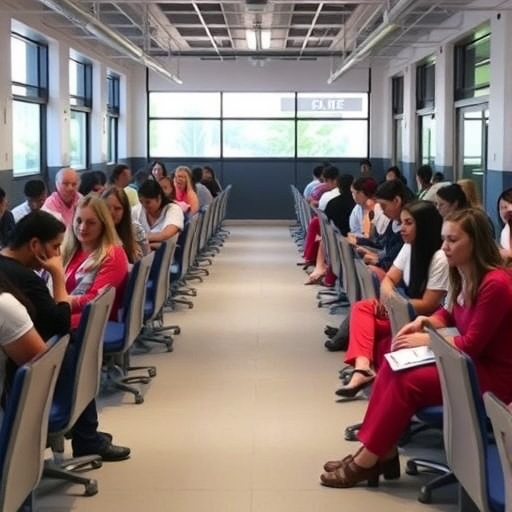
In recent years, the Indian Institutes of Technology (IITs) have been at the forefront of higher education reform, particularly regarding gender equity in engineering and technology. A novel initiative aimed at improving female representation in these prestigious institutions is the supernumerary seats scheme for girls. This program has sparked considerable debate and research, most notably highlighted in the recent study by Sengupta, Munshi, and Kaur, titled “A foot in the door: evaluating the supernumerary seats scheme for girls in the IITs,” published in High Educ in 2025.
The supernumerary seats scheme, introduced to encourage the enrollment of female students in IITs, allocates a specific number of additional seats to female applicants. This scheme aims to create a conducive environment where young women can pursue their aspirations in fields traditionally dominated by men. By increasing female enrollment, the IITs hope to level the educational playing field and ultimately reshape the gender dynamics prevalent in the engineering sector. This initiative represents a crucial step towards fostering an inclusive educational landscape and mitigating the barriers that have previously hindered female participation.
Analyzing the effectiveness of such initiatives requires a comprehensive understanding of both quantitative and qualitative metrics. The study in question meticulously examines enrollment statistics before and after the introduction of the supernumerary seats scheme. It dives into the data to uncover whether this policy change has positively influenced the number of female applicants, their academic performance, and retention rates. Initial findings suggest that the scheme has indeed resulted in a measurable increase in the number of female students enrolled at IITs.
While quantitative data can demonstrate changes in enrollment figures, qualitative insights are equally vital for understanding the broader context. The research by Sengupta et al. also includes in-depth interviews with female students who have benefited from the supernumerary seats. These personal narratives reveal the motivations, challenges, and experiences of women entering the IITs. Many students express a sense of empowerment and opportunity that the initiative has afforded them, allowing them access to a prestigious educational environment where they can thrive both academically and socially.
However, with any policy change, there are nuances that need careful consideration. The authors of the study highlight potential drawbacks of the supernumerary seats scheme, notably concerns regarding the stigma associated with women occupying these additional seats. Some students fear that receiving special consideration may lead to questions regarding their capability and academic merit. This phenomenon can inadvertently reinforce existing gender stereotypes and biases within academic spaces, leading to a less-than-ideal environment for fostering genuine equality.
Another vital aspect of this research is its examination of the systemic challenges that still impede female students within the IITs, even with increased enrollment numbers. Factors such as campus safety, gender-based harassment, and lack of mentorship remain pressing issues. The authors argue that merely increasing the number of seats for women is not sufficient; comprehensive support systems need to be established to ensure that female students can capitalize on the opportunities these seats create without facing inherent institutional challenges.
The study also analyzes the ripple effects on the wider societal fabric in India. By encouraging women to pursue careers in engineering and technology, the supernumerary seats scheme contributes to a gradual cultural shift in perceptions surrounding female education and workforce participation. The direct correlation between higher female representation in IITs and decreased gender disparity in STEM fields plays a critical role in shaping a more equitable future.
As discussions around this initiative unfold, the research suggests that increased collaboration between various stakeholders — including educational institutions, policymakers, and industry leaders — is paramount to optimize the impacts of such schemes. Establishing partnerships that provide valuable internships, mentorship programs, and a robust support network can significantly enhance the efficacy of policies directed at increasing female enrollment in technical fields.
Furthermore, the global context of gender equity in education must be kept in mind. The IITs, as a leading education system, have the power to set precedents that can inspire similar initiatives worldwide. By thoroughly evaluating their policies and practices, they can emerge as a model for institutions aiming to address gender disparities on a more international scale.
In conclusion, the supernumerary seats scheme stands as a pivotal intervention designed to address gender imbalance in one of India’s most prestigious education institutions. Through both quantitative and qualitative examinations, Sengupta, Munshi, and Kaur provide crucial insights into the implications of this initiative. While strides have been made in enhancing female representation, there remains a pressing need for enduring systemic changes that address the challenges women continue to face in engineering education and professional spheres. The road to achieving true gender equity in STEM is long, but with initiatives like the supernumerary seats scheme, there lies a more hopeful path towards an inclusive future.
As this research continues to evolve, it opens doors for further exploration of gender policies in education and can serve as a basis for future interventions aimed at enhancing female representation across various fields. By encouraging dialogue and critical examination of these initiatives, societies can work towards transforming the landscape of education to one that genuinely embraces diversity and equality, ultimately resulting in a more innovative and balanced workforce in the years to come.
Sengupta, N., Munshi, R. & Kaur, R. A foot in the door: evaluating the supernumerary seats scheme for girls in the IITs.
High Educ (2025). https://doi.org/10.1007/s10734-025-01551-8
Cite Scienmag News
Courtney Benton. (November 1, 2025). Assessing Supernumerary Seats for Girls in IITs. Scienmag. https://scienmag.com/assessing-supernumerary-seats-for-girls-in-iits/
Courtney Benton. "Assessing Supernumerary Seats for Girls in IITs." Scienmag, 1 November 2025, https://scienmag.com/assessing-supernumerary-seats-for-girls-in-iits/. Accessed 3 September 2026.
Courtney Benton. "Assessing Supernumerary Seats for Girls in IITs." Scienmag. November 1, 2025. https://scienmag.com/assessing-supernumerary-seats-for-girls-in-iits/


