


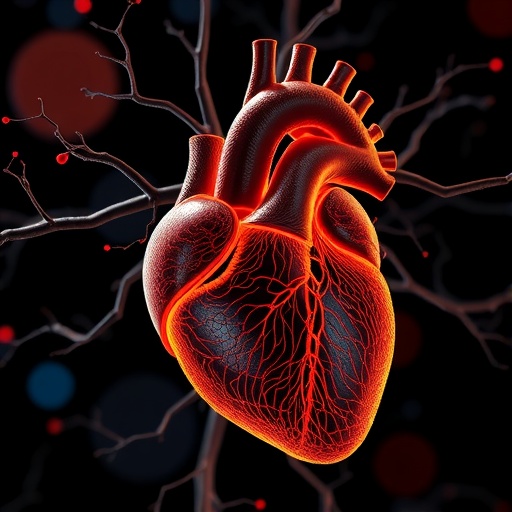
Recent advancements in understanding dilated cardiomyopathy (DCM) have revealed a novel framework that connects cellular metabolism with immuno-inflammatory processes. This innovative approach could redefine how we categorize DCM subtypes, ultimately leading to more tailored and effective therapies for patients suffering from this debilitating disease. The study conducted by Yu et al. has illuminated the intricate mechanisms that underlie this heart condition, which often results in heart failure and poses severe health risks.
Dilated cardiomyopathy is characterized by the enlargement of the heart’s chambers, leading to impaired cardiac function. When the heart cannot pump effectively, symptoms such as fatigue, shortness of breath, and fluid retention can occur, severely impacting a patient’s quality of life. This condition can stem from various causes, including genetic mutations, infections, and autoimmune responses, making it particularly challenging to diagnose and treat. Given its complex nature, a singular approach to understanding and managing DCM is insufficient.
The research team adopted a holistic methodology to explore the interplay between metabolism and immune response in DCM patients. They highlighted that metabolic dysregulation contributes significantly to the severity of the disease, often exacerbating inflammation within cardiac tissues. By integrating metabolic profiling into clinical assessments, physicians can gain deeper insights into the underlying mechanisms of individual DCM cases. This shift towards personalized medicine holds promise in identifying the specific factors that fuel the disease in each patient.
One critical aspect of the study was the examination of energy metabolism in cardiomyocytes, the heart muscle cells responsible for contraction. The researchers found that disrupted energy production pathways could lead to an accumulation of metabolic intermediates, triggering inflammatory responses. Inflammation, often a protective mechanism, can, paradoxically, cause further damage to myocardium when dysregulated. This connection between metabolism and inflammation underscores the need for a multidisciplinary approach to DCM diagnosis and treatment.
Yu et al. also investigated how different subtypes of dilated cardiomyopathy exhibit varying metabolic and inflammatory profiles. By using advanced technologies such as metabolomics and proteomics, they were able to classify these subtypes more accurately. This classification not only enriches the current understanding of DCM but also opens avenues for targeted therapies that address both metabolic and inflammatory components. As more personalized treatment strategies emerge, patients are likely to experience improved outcomes and reduced risks associated with this often-chronically debilitating disease.
Another noteworthy finding from the research was the role of mitochondrial function in the pathogenesis of DCM. Mitochondria, the energy powerhouses of cells, are crucial in harnessing energy from nutrients. The dysfunction of these organelles was found to lead to increased reactive oxygen species, further fueling inflammation and tissue damage. This vicious cycle highlights the importance of mitochondrial health in managing DCM and suggests that interventions aimed at enhancing mitochondrial function could be beneficial for patients.
Additionally, the research team explored the genetic predispositions that may influence metabolic and inflammatory responses in DCM. Understanding the genetic landscape associated with metabolic regulation and immune activation in DCM patients could pave the way for genomic screening programs. Such programs have the potential to inform early interventions, possibly before overt symptoms manifest, thus significantly altering the disease course.
Furthermore, the study emphasizes collaborations between cardiology, immunology, and metabolic research sectors. As the complexity of diseases like DCM demands a synergistic approach, cross-disciplinary studies can enhance the understanding of shared pathways and potential therapeutic targets. Investments in research fostering collaborations among these fields could yield substantial dividends in developing novel treatment modalities.
The broader implications of this research extend beyond DCM. The insights gained from investigating the interplay between metabolism and inflammation could inform other cardiovascular conditions and metabolic diseases. As science gradually unravels the connections between these systems, it offers a blueprint for comprehensively addressing complex diseases that have long eluded clear explanations.
In conclusion, the groundbreaking work of Yu et al. ushers in a new era of understanding dilated cardiomyopathy by weaving together the threads of metabolic dysfunction and immunological responses. This novel framework promises to transform clinical practice, offering a more refined lens through which to view various DCM subtypes. By recognizing the importance of individualized therapy and the role of systemic factors in disease progression, healthcare providers are better equipped to improve intervention strategies and patient outcomes.
The significance of this research cannot be overstated as it provides a crucial stepping stone toward recognizing the multifaceted nature of DCM. With ongoing advancements in this area, the future looks promising for patients and clinicians alike. As we continue to explore the nuances of metabolic and inflammatory interactions within the heart, we inch closer to unlocking the mysteries of dilated cardiomyopathy and ultimately improving the lives of those affected.
As the study gains traction in the scientific community, ongoing dialogue and further investigation will be essential. It will be exciting to see how the proposed framework influences upcoming research studies, treatment guidelines, and patient management strategies in the realm of managing cardiomyopathies.
Yu, C., Liu, C., Liu, B. et al. Bridging metabolism and immuno-inflammation: a novel framework to characterize dilated cardiomyopathy subtype.
J Transl Med 23, 1145 (2025). https://doi.org/10.1186/s12967-025-07165-z
Cite Scienmag News
Kristina Jarvis. (October 26, 2025). Linking Metabolism and Immunity in Dilated Cardiomyopathy. Scienmag. https://scienmag.com/linking-metabolism-and-immunity-in-dilated-cardiomyopathy/
Kristina Jarvis. "Linking Metabolism and Immunity in Dilated Cardiomyopathy." Scienmag, 26 October 2025, https://scienmag.com/linking-metabolism-and-immunity-in-dilated-cardiomyopathy/. Accessed 3 September 2026.
Kristina Jarvis. "Linking Metabolism and Immunity in Dilated Cardiomyopathy." Scienmag. October 26, 2025. https://scienmag.com/linking-metabolism-and-immunity-in-dilated-cardiomyopathy/


