


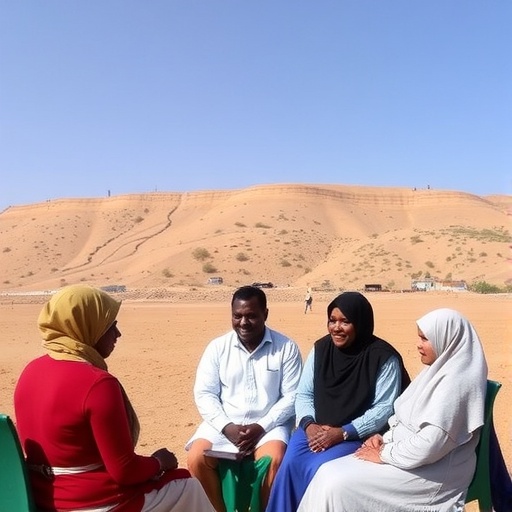
The concept of interprofessional education (IPE) has emerged as a vital component in the effort to improve healthcare delivery across the globe. However, its effective implementation in various regions, particularly in Sudan, is fraught with challenges. Recent research conducted by Kheir, Ali, and Fahal sheds light on these hurdles, providing a detailed insight into the complexities faced by educators and healthcare professionals in their quest for collaborative learning environments.
Despite a growing body of evidence supporting the benefits of IPE, its application remains inconsistent. In countries like Sudan, where healthcare needs are immense and resources are limited, the stakes are particularly high. The researchers highlight that the obstacles to IPE implementation encompass not only logistical issues but also cultural and institutional barriers. It is an ambitious goal that entails restructuring traditional education paradigms and fostering collaborative practice among disparate healthcare sectors.
One of the significant findings from the research revolves around the lack of adequate infrastructure to support IPE initiatives. Educational institutions in Sudan often lack the necessary facilities and resources to implement comprehensive IPE programs. This scarcity significantly limits the opportunities for students from different health professions to learn together, a foundational aspect of interprofessional education. Additionally, the physical absence of structured curricula designed for IPE in many Sudanese institutions further exacerbates the challenges faced.
Moreover, the authors delve into the problem of inadequate training and awareness among faculty members regarding IPE. Many educators are not sufficiently familiar with the principles and benefits of interprofessional collaboration, leading to a lack of enthusiasm or support for such programs. There is a pressing need for professional development opportunities that can equip educators with the knowledge and skills necessary to implement IPE effectively.
Cultural attitudes towards teamwork in healthcare settings also play a crucial role in the implementation of IPE. The prevalent hierarchical structure within the healthcare professions in Sudan often hampers collaborative learning environments. There is a tendency for professionals to segment their practice based on specialty, resulting in a disconnect between disciplines. The researchers argue that addressing these cultural perceptions and promoting a mindset geared towards collaboration is essential for the successful integration of IPE into healthcare education.
The financial constraints faced by educational institutions in Sudan further complicate the scenario. Limited funding often results in reduced capacity to develop new educational programs or to even maintain existing ones. The cost implications of implementing interprofessional education programs are substantial, particularly when it involves collaboration between various institutions and agencies. The need for strategic partnerships and funding opportunities must not be underestimated in the journey towards effective IPE.
Furthermore, the lack of a unified policy framework for IPE implementation is a critical barrier highlighted in the study. The absence of national guidelines or support from educational authorities leaves institutions to navigate the complexities of IPE on their own. A robust and supportive policy framework is essential to facilitate the transition towards interprofessional education and to ensure sustainability in these initiatives over time.
Additionally, many healthcare professionals in Sudan are burdened with heavy workloads and limited time to engage in collaborative educational activities. The demands placed on healthcare providers can overshadow opportunities for interprofessional learning. Recognizing the pressures faced by healthcare professionals is vital as any efforts to promote IPE must account for their time and resource constraints.
Another significant barrier identified by Kheir, Ali, and Fahal pertains to the traditional evaluation methods often employed in educational settings. Current assessment techniques are typically discipline-specific and do not adequately measure the collaborative skills essential for interprofessional practice. To foster an environment conducive to IPE, it is imperative to develop assessment strategies that recognize and value teamwork, communication, and shared decision-making.
Moreover, the findings suggest that engaging stakeholders from various sectors is crucial for the successful implementation of IPE. Involving healthcare providers, educational institutions, policymakers, and even patients in the conversation can harness a diverse range of insights and resources. Stakeholder engagement is a means of generating buy-in and creating a collective vision for IPE, allowing for a more integrated approach to education and healthcare delivery.
In summary, Kheir, Ali, and Fahal’s research on the obstacles to effective implementation of interprofessional education in Sudan brings forth valuable insights into a pressing issue in global health education. By understanding the multifaceted barriers that hinder IPE, stakeholders can work towards overcoming these challenges. The ultimate goal remains to improve health outcomes through enhanced collaboration and learning among the various healthcare professions.
This examination of the hurdles to interprofessional education serves as a clarion call for educators, policymakers, and healthcare professionals. It emphasizes the need for a concerted effort to promote collaborative models of education that align with the demands of modern healthcare systems. Only through a unified approach can the vision of effective interprofessional education become a reality in Sudan and beyond.
The future of interprofessional education relies on the collective will to eliminate barriers and embrace collaborative practice as a norm rather than an exception. Such a shift is not merely an educational necessity but also a moral imperative, as it directly impacts the quality of care provided to patients. Continued research and dialogue in this field are essential to forge paths forward in advancing interprofessional collaboration and overcoming the entrenched obstacles that currently exist.
Kheir, E., Ali, Q. & Fahal, A. Obstacles to effective implementation of interprofessional education in Sudan.
BMC Med Educ 25, 1444 (2025). https://doi.org/10.1186/s12909-025-08021-w
Cite Scienmag News
Courtney Benton. (October 18, 2025). Challenges in Implementing Interprofessional Education in Sudan. Scienmag. https://scienmag.com/challenges-in-implementing-interprofessional-education-in-sudan/
Courtney Benton. "Challenges in Implementing Interprofessional Education in Sudan." Scienmag, 18 October 2025, https://scienmag.com/challenges-in-implementing-interprofessional-education-in-sudan/. Accessed 4 September 2026.
Courtney Benton. "Challenges in Implementing Interprofessional Education in Sudan." Scienmag. October 18, 2025. https://scienmag.com/challenges-in-implementing-interprofessional-education-in-sudan/


