

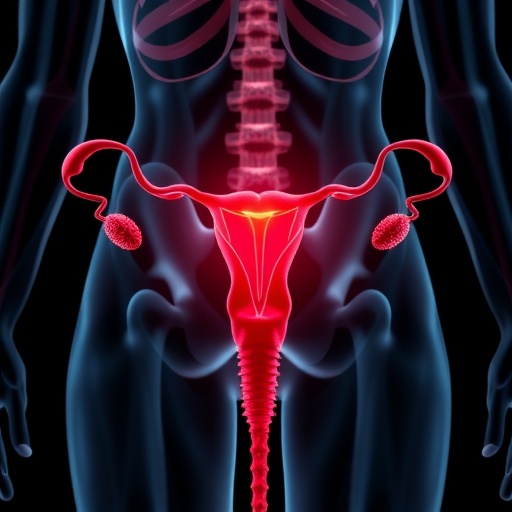
In a remarkable advancement against one of the most formidable adversaries in the realm of oncology, researchers have unveiled a novel strategy that exploits the intricate dysregulation of iron metabolism to eradicate persistent high-grade serous ovarian cancer (HGSOC). This breakthrough research, recently published in Cell Death Discovery, provides compelling evidence that targeting iron homeostasis could pave the way for transformative therapies against a cancer type notoriously resilient to conventional treatments. HGSOC, which accounts for the majority of ovarian cancer mortalities, has long evaded complete eradication due to its high genetic variability and aggressive metastatic profile.
Central to the study is the revelation that HGSOC cells harbor an extensively altered iron metabolism that not only supports their survival and proliferation but also endows them with resistance against therapeutic interventions. Iron, an essential trace metal crucial for DNA synthesis and cellular respiration, when dysregulated, provokes oxidative stress and fosters a microenvironment conducive to cancer persistence. The researchers harnessed this paradox by developing a targeted approach to disrupt the cancer cells’ iron equilibrium, thereby inducing selective ferroptosis—a unique, iron-dependent form of programmed cell death.
The investigation meticulously delineates how HGSOC cells demonstrate aberrant expression of key iron regulatory proteins, including transferrin receptor 1 (TfR1), ferritin, and ferroportin. These changes culminate in increased intracellular iron pools and heightened vulnerability to iron-catalyzed lipid peroxidation. Remarkably, the team devised a therapeutic modality that exploits this vulnerability by further augmenting intracellular iron and simultaneously impairing cellular antioxidant defenses, thereby tipping the balance toward lethal oxidative stress specific to malignant cells.
Experimental evidence from patient-derived xenografts (PDX) and in vitro organoid models substantiates the efficacy of this approach. The therapeutic regimen induced marked tumor regression and diminished metastatic burden without eliciting significant toxicity in normal tissues. This preferential cytotoxicity underscores the precision of exploiting iron dysregulation as a cancer-selective death trigger. Such targeted interventions could overcome the limitations of conventional chemotherapy, which often fails to eliminate resistant tumor cell subpopulations, leading to recurrence.
In an elegant mechanistic exploration, the study how the manipulation of iron metabolism synergizes with pro-ferroptotic small molecules to intensify lipid peroxidation, thereby executing a one-two punch on the cellular defense systems of HGSOC. By impairing glutathione peroxidase 4 (GPX4) activity—an enzyme pivotal for detoxifying lipid hydroperoxides—tumor cells were incapacitated in thwarting ferroptotic cell death. This dual assault magnifies oxidative damage beyond repair thresholds, culminating in tumor cell demise.
Furthermore, the research elucidates the heterogeneity within HGSOC tumors regarding iron handling, highlighting the existence of subpopulations with distinct iron metabolic profiles and variable sensitivities to ferroptosis induction. Such insights recognize the necessity for personalized therapeutic strategies that tailor interventions based on the iron homeostasis status of individual tumors, promising enhanced efficacy.
Importantly, the researchers also addressed the potential for adaptive resistance by monitoring alterations in iron regulatory networks during treatment. They demonstrated that concurrent targeting of compensatory pathways, including nuclear factor erythroid 2–related factor 2 (NRF2), which governs antioxidant responses, could thwart resistance mechanisms, ensuring sustained therapeutic benefits.
This avant-garde paradigm holds profound implications beyond ovarian cancer, as dysregulated iron metabolism is a hallmark shared by multiple malignancies. The methodologies developed could be extrapolated to design analogous strategies targeting iron homeostasis vulnerabilities in other resistant cancer types, heralding a new era of ferroptosis-based oncology therapeutics.
The study not only advances our fundamental understanding of iron’s role in cancer biology but also challenges the therapeutic status quo by introducing ferroptosis modulation as a viable means to eliminate otherwise refractory tumors. It emphasizes the need for continued cross-disciplinary research, integrating bioinorganic chemistry, molecular oncology, and precision medicine to devise innovative treatments with enhanced selectivity and minimized off-target effects.
The clinical translation of these findings could revolutionize current ovarian cancer management, addressing the pressing unmet need for therapies that eradicate residual disease and overcome relapse. Future clinical trials investigating ferroptosis-inducing agents, potentially in combination with existing chemotherapeutics or immunotherapies, hold promise for improving patient outcomes and survival rates.
Moreover, this work underscores the broader paradigm shift toward targeting metabolic vulnerabilities in cancer. By exploiting cancer-specific alterations in nutrient and metal ion utilization pathways, it becomes possible to identify Achilles’ heels that circumvent the genetic heterogeneity challenging traditional targeted therapies. This strategy exemplifies an emerging frontier in oncology, where metabolic reprogramming and cell death pathways converge to unlock therapeutic potential.
In summary, the research unravels a sophisticated interplay between iron metabolism and tumor survival mechanisms in high-grade serous ovarian cancer and offers a pioneering approach to leveraging this relationship for therapeutic gain. It sets a compelling precedent for the clinical exploitation of ferroptosis, inspiring optimism for effective cures against a cancer type historically resistant to treatment.
This pioneering work not only illuminates a novel front in the war against ovarian cancer but also enriches the landscape of cancer biology with profound mechanistic insights. By transforming dysregulated iron homeostasis from a cancer enabler into a therapeutic target, the study heralds an innovative chapter in the quest to conquer malignancies that have long defied eradication.
As the research community continues to dissect the complexities of tumor metabolism and ferroptotic regulation, the integration of iron-targeting therapies with burgeoning immuno-oncology treatments presents an exciting avenue for synergistic cancer eradication strategies. The dynamic regulation of iron within the tumor microenvironment, encompassing immune cells and stromal components, may further influence therapeutic outcomes, warranting comprehensive exploration.
The promise of this research lies not only in its immediate applications but also in its potential to catalyze a paradigm shift in how oncologists conceive and deploy treatments. It challenges prevailing notions that target genetic mutations alone and advocates for the exploitation of metabolic rewiring intrinsic to cancer pathogenesis.
The journey from bench to bedside, though complex, appears increasingly feasible as the safety profiles and delivery mechanisms of ferroptosis inducers improve. Patient stratification based on iron metabolic biomarkers will be critical to harnessing the full therapeutic advantage and minimizing adverse effects in normal tissues that rely on iron homeostasis.
Ultimately, the study by Cerra et al. orchestrates a compelling narrative demonstrating that the keys to defeating recalcitrant cancers may lie hidden within their metabolic dependencies. Iron, a double-edged sword in physiology and pathology, emerges as both a lifeline and a vulnerability—one that can be deftly manipulated to tip the balance in favor of cancer cell death and patient survival.
Cite this news
SCIENMAG. (September 25, 2025). Targeting Iron Imbalance to Kill Ovarian Cancer. https://scienmag.com/targeting-iron-imbalance-to-kill-ovarian-cancer/
SCIENMAG. "Targeting Iron Imbalance to Kill Ovarian Cancer." Scienmag, 25 September 2025, https://scienmag.com/targeting-iron-imbalance-to-kill-ovarian-cancer/. Accessed 27 August 2026.
SCIENMAG. "Targeting Iron Imbalance to Kill Ovarian Cancer." Scienmag. September 25, 2025. https://scienmag.com/targeting-iron-imbalance-to-kill-ovarian-cancer/


