


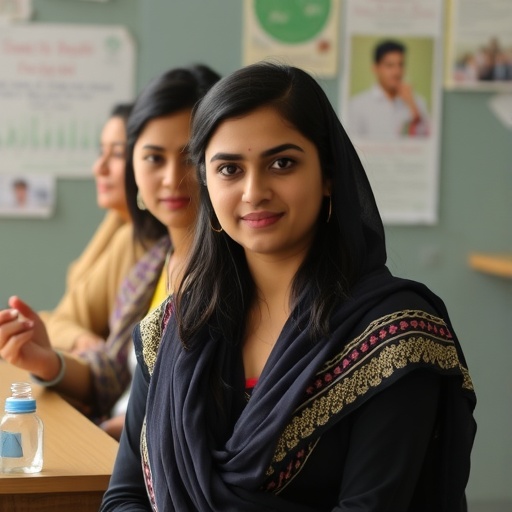
In a rapidly evolving global landscape, the interconnections between education and sexual-themed content are becoming increasingly scrutinized, especially within the diverse cultural framework of Pakistan. A recent study conducted by M.A. Latif sheds light on the perceptions and practices of students as they navigate the intricacies of sexual education amidst various societal norms and expectations. This exploration provides an illuminating perspective on how sexual-themed content is viewed within the educational settings in Pakistan, a country where such discussions can often be shrouded in taboo.
The backdrop of this research is framed within an educational system that has traditionally avoided addressing sexual health and education in its curriculum. In a country where cultural sensitivities run deep, students often find themselves in a void of information, reliant more on peer conversations and internet resources than formal education. Latif’s study highlights this disparity, underscoring the urgent need for a comprehensive approach to sexual education that resonates with the realities faced by students today.
Latif’s research methodically breaks down the multifaceted perspectives held by students regarding sexual-themed content, presenting a plethora of views that reflect both progressive and conservative attitudes. The findings suggest that while many students express a desire for more information and dialogue surrounding sexual health, others remain influenced by traditional views that advocate for silence on such matters. This dichotomy raises significant questions about how educational institutions can effectively engage with such diverse viewpoints to foster a more informed student body.
Analyzing the impact of digital media on students’ understanding of sexual health is another critical aspect of Latif’s research. In today’s digital age, social media platforms and online forums serve as primary sources of information for youths. However, the reliability and accuracy of the data found online can be questionable, potentially leading to misconceptions about sexual health. Latif’s study highlights the urgent need for educational institutions to integrate accurate sexual education content into their curricula, ensuring that students possess the knowledge necessary to navigate these platforms responsibly.
Furthermore, Latif delves into the significant role that parental views and cultural narratives play in shaping students’ attitudes towards sexual education. Many parents, adhering to long-standing traditions, often reinforce the notion that discussions surrounding sex are inappropriate or shameful. This not only affects the students’ understanding but also exacerbates the information gap that exists within educational settings. The thesis of this research posits that proactive engagement from educators and parents alike is essential in reshaping and redefining these narratives.
One of the key findings of the study is that students who have accessed sexual-themed content through informal channels tend to exhibit a more open attitude towards discussions about sexual health and education. These students demonstrate a willingness to challenge societal norms and advocate for better information dissemination within schools. This exploratory behavior highlights a generational shift, with younger individuals advocating for a more open dialogue about previously stigmatized topics, thereby suggesting that change is not only possible but also underway.
Latif’s study also emphasizes the importance of culturally relevant educational materials. As students process information about sexual health, they are more receptive to content that reflects their cultural realities and addresses their specific needs. This necessitates the involvement of educators in the development of curricula that are considerate of the cultural landscape of Pakistan while being educationally robust and informative. The challenge lies in striking a balance that honors cultural sensitivities without compromising on the necessity of sexual education.
Moreover, the implications of this research extend beyond the classroom. With the rising rates of sexually transmitted infections and teenage pregnancies globally, Pakistan finds itself at a critical juncture. Latif’s work serves as a clarion call for urgent reforms in educational approaches to sexual health. By advocating for well-structured educational policies that incorporate interactive and engaging sexual health education, society can begin to dismantle the stigma associated with these crucial conversations.
Interestingly, Latif’s findings also suggest that students are more likely to engage with sexual-themed educational content when it is presented in a way that normalizes conversations around sexuality. Public awareness campaigns and school programs that promote open dialogues can significantly shift perceptions and begin to normalize discussions about sexual health in various educational contexts. Students crave knowledge; providing it in an accessible manner could foster a healthier and more informed generation.
The enthusiasm of students for educational resources related to sexual health exemplifies a broader societal need for comprehensive sexual education. Through surveys and interviews, Latif has documented a clear demand for institutions to take initiative in facilitating workshops and discussions that empower students. This demand signals a transformative shift in how sexual education could be positioned within Pakistan’s educational landscape.
In wrapping up the exploration of Latif’s research, it is evident that reframing the discourse surrounding sexual education is paramount. In a country rich with diverse viewpoints and cultural complexities, there lies a profound necessity to foster environments where students feel safe and free to discuss such pivotal topics. The potential benefits of doing so extend far beyond individual well-being, promising enhanced public health outcomes and a progressive society.
As the discussion surrounding sexual education evolves, the next steps lie in action. Engagement from policymakers, educational leaders, and community stakeholders is crucial in adopting Latif’s recommendations. By putting the findings of this research into practice, the foundations of a healthier, more informed, and tolerant generation could be laid, paving the way for future advancements in education and public health.
Overall, Latif’s examination of the intersection between sexual-themed content and education provides a much-needed perspective on a critical area of concern that must not be overlooked. The call for more inclusive and accessible sexual education is not just a plea for knowledge, but a necessary step toward creating a society where informed choices can flourish.
Latif, M.A. Sexual-themed content and its linkages with education: views and practices of students in Pakistan.
Discov Educ 4, 270 (2025). https://doi.org/10.1007/s44217-025-00741-x
Cite Scienmag News
Courtney Benton. (September 3, 2025). Student Perspectives on Sexual Education in Pakistan. Scienmag. https://scienmag.com/student-perspectives-on-sexual-education-in-pakistan/
Courtney Benton. "Student Perspectives on Sexual Education in Pakistan." Scienmag, 3 September 2025, https://scienmag.com/student-perspectives-on-sexual-education-in-pakistan/. Accessed 1 September 2026.
Courtney Benton. "Student Perspectives on Sexual Education in Pakistan." Scienmag. September 3, 2025. https://scienmag.com/student-perspectives-on-sexual-education-in-pakistan/


