


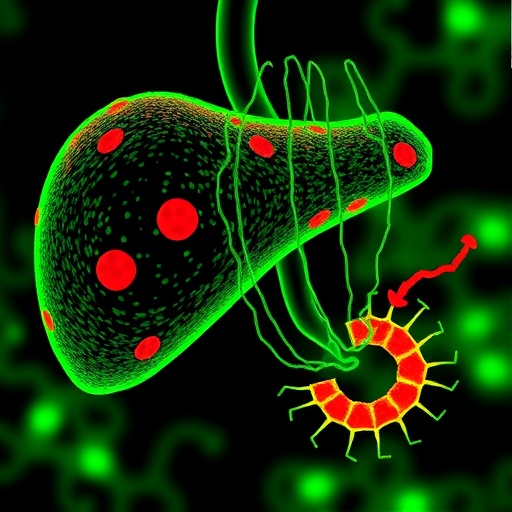
Ferroptosis, a term rapidly gaining traction in scientific literature, refers to a form of regulated cell death characterized by the accumulation of lipid peroxides to lethal levels. It diverges from traditional apoptosis and necrosis, presenting a unique avenue for researchers to explore, especially in the context of organ transplantation. Recent findings reveal that ferroptosis plays a critical role in liver injury post-cold ischemia-reperfusion during autologous orthotopic liver transplantation in rodent models, opening significant doors for potential therapeutic interventions.
During liver transplantation procedures, particularly those involving cold ischemia followed by reperfusion, the liver experiences an abrupt return of blood supply after a period of oxygen deprivation. This dichotomy of blood flow status can usher in several physiological responses, with ferroptosis becoming particularly prominent. Upon reperfusion, the reintroduction of oxygen leads to reactive oxygen species (ROS) formation, which can catalyze lipid peroxidation – the hallmark of ferroptosis.
In a recent study published in the Journal of Artificial Organs, researchers Wu, Xu, Huang, and colleagues meticulously examined the role of ferroptosis in liver injuries emerging from cold ischemia-reperfusion. They employed a series of rat models that simulate human liver transplantation, allowing for a direct assessment of hepatic health during these critical phases. Their meticulously designed experimentations provided robust evidence that ferroptosis significantly exacerbates liver damage in the context of transplantation.
The study’s authors utilized various biomarkers for ferroptosis, including glutathione levels and iron concentrations, to assess the extent of oxidative stress in the liver tissue post-transplantation. Interestingly, they found that upregulation of iron and downregulation of antioxidant defenses contributed synergistically to the onset of ferroptosis following ischemia-reperfusion. This cascaded the deterioration of hepatic tissue, culminating in compromised organ function and potential transplant failure.
One of the highlights of their findings was the potential for ferroptosis inhibition as a therapeutic strategy. By introducing specific inhibitors targeting the ferroptotic pathways during the reperfusion phase, the researchers noted decreased liver injury markers and improved hepatic function in their rodent models. This possibility paves the way for potential clinical applications where implementing ferroptosis inhibitors could bolster transplant success rates and reduce post-surgical complications.
Furthermore, the researchers provided insights into how dietary adjustments could serve as preventative measures against ferroptosis-related liver injuries. Original findings indicated that a diet rich in antioxidants could modulate oxidative stress levels and enhance the liver’s resilience to ischemic injuries. Additionally, studies on the timing of antioxidant administration in relation to transplantation revealed critical windows where intervention could significantly impact outcomes.
The interplay between ferroptosis and lipid metabolism also underscored the complexity of liver injuries post-transplantation. The liver is a vital organ for lipid regulation, and alterations in lipid dynamics can exacerbate ferroptotic processes. Finding ways to modulate lipid profiles, aside from just halting ferroptosis itself, could emerge as a dual-targeted approach for improving liver health in transplant recipients.
Emerging strategies focus on gene therapies as another dimension to combat ferroptosis during liver transplants. Through the delivery of specific genes that encode for antioxidant enzymes, researchers envision a future where liver resilience against oxidative stress can be enhanced at an epigenetic level. As our understanding of molecular pathways deepens, such advancements could significantly reshape strategies in liver transplant protocols.
The potential of ferroptosis as a therapeutic target is stirring interest across various fields of medicine, ranging from oncology to neurology, and now, hepatology. As this research continues to evolve, the focus will likely shift toward understanding patient-specific responses to therapies aimed at inhibiting ferroptosis. This knowledge will be crucial for tailoring personalized treatments, especially in the context of complex medical histories and co-morbidities among liver transplant patients.
Moreover, the findings of Wu et al. are not isolated; they represent a culmination of previous studies that highlighted the significance of oxidative stress in organ ischemia-reperfusion injuries. The convergence of these studies reinforces the need for a multidisciplinary approach to address the ramifications of ischemia at both cellular and systemic levels.
As researchers continue to delve into the signaling pathways and genetic factors contributing to ferroptosis, we can anticipate an array of innovative strategies rooted in this knowledge. The looming question remains: can we harness this understanding to shift the tide in the outcomes of liver transplantation? With continued research and interdisciplinary collaborations, the possibilities for improving post-operative care and enhancing liver viability seem not only plausible but imminently attainable.
In summary, the novel exploration of ferroptosis within the realm of liver transplantation offers a promising horizon for clinical applications. As the scientific community rallies around this emerging field, it holds the potential not just to enhance liver transplant outcomes but to redefine the management strategies for all patients facing hepatic oxidative stress. Ultimately, the full realization of these therapeutic options could significantly alter patient trajectories, leading to improved quality of life and longevity for organ recipients.
Cite Scienmag News
Ophelia Keating. (August 28, 2025). Ferroptosis Impact on Liver Injury Post-Transplantation. Scienmag. https://scienmag.com/ferroptosis-impact-on-liver-injury-post-transplantation/
Ophelia Keating. "Ferroptosis Impact on Liver Injury Post-Transplantation." Scienmag, 28 August 2025, https://scienmag.com/ferroptosis-impact-on-liver-injury-post-transplantation/. Accessed 1 September 2026.
Ophelia Keating. "Ferroptosis Impact on Liver Injury Post-Transplantation." Scienmag. August 28, 2025. https://scienmag.com/ferroptosis-impact-on-liver-injury-post-transplantation/


