


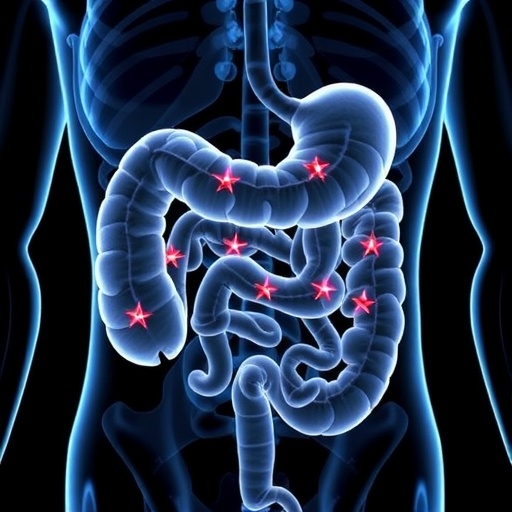
A groundbreaking study published in the latest volume of Oncotarget reveals a promising therapeutic synergy between aramchol, an emerging SCD1 inhibitor, and regorafenib, a multi-kinase inhibitor already established in cancer treatment. This novel drug combination demonstrates enhanced efficacy against gastrointestinal (GI) tumors, specifically targeting liver and colorectal cancers, both in vitro and in vivo. The research, led by Laurence Booth, Michael R. Booth, and Paul Dent at Virginia Commonwealth University, illuminates a path toward more effective, less toxic cancer therapies by harnessing a dual-drug strategy that capitalizes on metabolic vulnerabilities within tumor cells.
Gastrointestinal cancers continue to represent a formidable health challenge worldwide, often characterized by aggressive progression and limited treatment options. Regorafenib, although FDA-approved for certain GI cancers, frequently suffers from modest efficacy and substantial side effects that hinder patient outcomes and quality of life. The exploration of aramchol—a drug originally designed to combat fatty liver disease by modulating lipid metabolism—offers a fresh perspective on how cancer cell energy pathways can be exploited therapeutically. By inhibiting stearoyl-CoA desaturase 1 (SCD1), aramchol disrupts key lipid biosynthesis processes fundamental to cancer cell survival, making it an ideal candidate for combination therapies.
In laboratory experiments utilizing human hepatoma (HuH7) and colorectal cancer cell lines, the combination of aramchol with regorafenib exhibited a significantly higher tumoricidal effect than either compound alone. This enhanced potency was reflected in decreased cell viability, increased apoptotic markers, and pronounced autophagy induction. Autophagy, a cellular recycling mechanism, is often hijacked by cancer cells for survival under stress. However, this study demonstrates that the therapeutic exploitation of autophagy can lead to enhanced tumor cell death when carefully manipulated by drug combinations.
The in vivo segment of the study employed male NRG mice implanted with HuH7 cells to mimic human liver tumor growth. Treatment with aramchol and regorafenib, administered intraperitoneally at doses of 50 mg/kg and 10 mg/kg respectively, resulted in marked suppression of tumor volume over a two-week period. Crucially, this tumor growth inhibition occurred without significant loss of body weight or other observable toxicity in the treated animals, underscoring the potential clinical viability of this regimen.
At a molecular level, the combined treatment was found to have a profound impact on cellular survival signaling networks. The researchers discovered that aramchol and regorafenib synergistically inhibited multiple kinase-driven pathways, including those regulating endoplasmic reticulum (ER) stress and macroautophagy flux. These intracellular processes are pivotal for maintaining cancer cell homeostasis under adverse conditions. By disrupting such essential survival pathways, the drug duo effectively induced cellular stress responses incompatible with tumor cell viability.
A particularly notable finding relates to the genetic background of the tumor cells. The combination therapy showed pronounced efficacy in cells harboring the ATG16L1 T300 variant—a polymorphism associated with altered autophagy dynamics and more prevalent in populations of African ancestry. This highlights the importance of considering tumor genetics in designing tailored therapeutic interventions and may inform future precision medicine approaches targeting autophagy-related genes.
The capacity of aramchol to interact with other FDA-approved multi-kinase inhibitors, such as sorafenib and lenvatinib, was also evaluated. While all combinations demonstrated antitumor synergy, regorafenib stood out with the most substantial tumoricidal effect. This suggests that while aramchol’s therapeutic utility might extend beyond a single kinase inhibitor, regorafenib remains the optimal partner for maximizing the therapeutic index in GI cancers.
Given aramchol’s established safety profile in fatty liver disease clinical trials and regorafenib’s existing approval for cancer treatment, the transition to clinical testing for this combination therapy could be accelerated. However, the authors emphasize the necessity for additional preclinical studies to refine dosing strategies, understand long-term effects, and identify biomarkers predictive of treatment response before initiating early-phase clinical trials.
This research advances the concept that interfering with metabolic pathways and cellular stress responses represents a compelling strategy to overcome limitations of current monotherapies in GI oncology. By harnessing drug combinations capable of targeting multiple vulnerabilities within tumor cells, this approach not only amplifies antitumor efficacy but also holds promise for reducing adverse side effects that plagued earlier regimens.
Ultimately, this multifaceted therapeutic avenue underscores the value of personalized medicine wherein genetic variants, such as ATG16L1 T300, guide treatment decisions. If future studies validate these findings, patients with specific genetic backgrounds could benefit from customized, combination-based interventions that improve survival outcomes and quality of life.
The study’s integration of metabolic biochemistry, pharmacology, and oncology provides a robust framework for future research initiatives aimed at repurposing existing drugs in innovative combinations. Its implications resonate beyond GI cancers, potentially influencing treatment paradigms in various malignancies where metabolic and kinase signaling pathways converge.
As the scientific community continues to unravel the complexities of tumor biology, discoveries like these illuminate promising horizons where precision-targeted, metabolism-focused cancer therapeutics may become the new standard of care.
News Publication Date:
August 19, 2025
Web References:
http://dx.doi.org/10.18632/oncotarget.28762, https://www.oncotarget.com/archive/v16/
Cite Scienmag News
Nathaniel Bowman. (August 19, 2025). Aramchol Enhances Regorafenib Efficacy in Treating Gastrointestinal Tumors. Scienmag. https://scienmag.com/aramchol-enhances-regorafenib-efficacy-in-treating-gastrointestinal-tumors/
Nathaniel Bowman. "Aramchol Enhances Regorafenib Efficacy in Treating Gastrointestinal Tumors." Scienmag, 19 August 2025, https://scienmag.com/aramchol-enhances-regorafenib-efficacy-in-treating-gastrointestinal-tumors/. Accessed 1 September 2026.
Nathaniel Bowman. "Aramchol Enhances Regorafenib Efficacy in Treating Gastrointestinal Tumors." Scienmag. August 19, 2025. https://scienmag.com/aramchol-enhances-regorafenib-efficacy-in-treating-gastrointestinal-tumors/


