


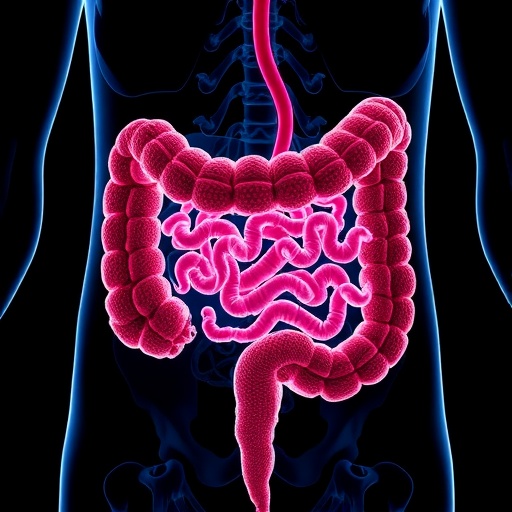
Cholesterol has long been implicated in cardiovascular diseases, but emerging research reveals its pivotal role in cancer progression, particularly colorectal cancer (CRC). A groundbreaking study recently published in BMC Cancer delves deep into the mechanistic relationship between elevated serum cholesterol levels and colorectal tumor growth, unveiling promising interventions that could revolutionize treatment approaches. By dissecting the interplay between cholesterol metabolism, gut microbiota dynamics, and immune modulation, this research uncovers novel therapeutic avenues for one of the most prevalent and deadly cancers worldwide.
Colorectal cancer remains a major global health challenge, with lifestyle and metabolic factors increasingly recognized as critical determinants of disease onset and progression. Previous epidemiological studies linked high cholesterol levels to an increased risk of colorectal adenomas and carcinomas, but the specific role of low-density lipoprotein (LDL)—often labeled as “bad cholesterol”—in tumorigenesis remained elusive. This new exploration utilized advanced mouse models to dissect the influence of hypercholesterolemia directly on colorectal tumor growth and malignancy.
The investigators employed Ldlr knockout mice, genetically engineered to lack low-density lipoprotein receptors, thereby mimicking elevated serum cholesterol states comparable to human hypercholesterolemia. When fed a high-cholesterol diet, these mice exhibited significantly accelerated colorectal tumor growth compared to controls. Histological analyses using hematoxylin and eosin (HE) staining and proliferation marker Ki-67 revealed not only larger tumors but also increased cellular proliferation and aggressiveness, demonstrating cholesterol’s direct impact on tumor biology.
Moving beyond observational data, the study ventured into therapeutic interventions targeting cholesterol metabolism and gut microbial communities. Supplementation with the probiotic genus Lactobacillus, known for its cholesterol-lowering capabilities and gut flora modulation, effectively mitigated tumor growth in the murine model. Importantly, Lactobacillus administration altered gut microbiota composition, enriching beneficial bacterial taxa that may exert anti-inflammatory and antineoplastic effects within the colorectal environment.
Simvastatin, a widely prescribed statin medication for lowering cholesterol, was also evaluated for its antitumor efficacy. Treatment with Simvastatin reduced serum LDL levels and significantly suppressed PD-L1 expression on colorectal cancer cells. PD-L1 is a key immune checkpoint protein enabling tumor immune evasion; thus, its downregulation by Simvastatin facilitated increased infiltration of cytotoxic T cells into tumor tissues, heightening the antitumor immune response.
The dual approach of modulating cholesterol through both probiotic supplementation and pharmacological intervention presents a compelling paradigm for CRC management. By remodeling the gut microbiome and concurrently inhibiting cholesterol-driven oncogenic pathways, these strategies synergize to suppress tumor growth and enhance immune-mediated tumor clearance. This study, therefore, highlights cholesterol as not merely a metabolic byproduct but as an active driver of colorectal cancer progression.
Immune evasion is a hallmark of cancer progression, and the tumor microenvironment is heavily influenced by metabolic factors such as cholesterol. Elevated LDL cholesterol appears to create an immunosuppressive niche within colorectal tumors, partly by upregulating PD-L1 expression. This study’s findings that Simvastatin diminishes PD-L1 levels suggest the possibility of repurposing existing cholesterol-lowering drugs as adjuncts to immunotherapy, potentially overcoming resistance mechanisms in colorectal cancer.
The gut microbiota’s role in human health is immensely complex, influencing metabolism, immunity, and even oncogenesis. The beneficial effects observed with Lactobacillus probiotic supplementation indicate that gut microbial remodeling can counteract cholesterol-induced tumorigenesis. By promoting beneficial bacterial communities, Lactobacillus may attenuate inflammation, improve intestinal barrier integrity, and reduce carcinogenic metabolites, offering a complementary avenue for CRC therapy.
From a mechanistic perspective, the study provides insight into how cholesterol facilitates tumor cell proliferation and malignancy. Cholesterol acts as a structural component of cell membranes and lipid rafts, influencing signaling pathways that regulate growth and survival. Its accumulation may potentiate oncogenic signaling cascades, emphasizing why its systemic regulation is crucial in curbing tumor aggressiveness.
This research also underscores the value of preclinical modeling in unraveling complex interactions between metabolism and cancer. The use of genetically modified mice with disrupted LDL receptor expression recapitulates human hypercholesterolemia, providing a robust platform to test metabolic interventions and their impact on tumor biology. Integrating such models with microbiome analyses paves the way for holistic cancer treatment strategies.
Clinically, these findings could have far-reaching implications. Considering the global burden of colorectal cancer and the widespread prevalence of hypercholesterolemia, developing integrated therapies that address both conditions could improve patient outcomes. Statin therapy, already extensively used for cardiovascular disease prevention, may soon find novel indications within oncology, especially when combined with dietary and microbiota-targeted interventions.
Though promising, these results invite further investigation into optimal dosing regimens, long-term effects, and potential interactions between cholesterol-lowering agents and existing cancer therapies. Moreover, clinical trials will be essential to validate these strategies in human cohorts, ensuring safety, efficacy, and personalized application in diverse patient populations.
In summary, the emerging nexus between cholesterol metabolism, gut microbiota, and colorectal cancer opens exciting therapeutic possibilities. By harnessing probiotics like Lactobacillus and repurposing statins such as Simvastatin, researchers offer hope for more effective management of colorectal cancer through metabolic and immunological modulation. This multifaceted approach embodies the future of precision oncology, where interventions are tailored not only to tumor genetics but also to the patient’s metabolic landscape.
The study’s revelations remind us that cancer treatment today transcends targeting malignant cells alone; it encompasses a sophisticated understanding of systemic physiology and microenvironmental factors. Cholesterol management may thus become a cornerstone not only in cardiovascular health but also in the prevention and treatment of colorectal malignancies, heralding a new horizon in integrated cancer care.
As the scientific community continues to explore metabolic vulnerabilities in cancer, the interplay between diet, microbiome, and pharmacology holds enormous potential. This pioneering research serves as a clarion call for multidisciplinary collaboration, uniting oncology, gastroenterology, immunology, and microbiology to innovate holistic treatment modalities that address the root causes of tumor progression.
The path forward will require rigorous clinical validation and mechanistic elucidation, yet these findings invigorate the pursuit of cholesterol-targeted therapies as viable, accessible, and effective tools in the global fight against colorectal cancer. Patients may soon benefit from combined regimens that not only extend survival but also improve quality of life through less toxic, metabolism-informed interventions.
In conclusion, the evidence is mounting that elevated serum cholesterol significantly accelerates colorectal cancer progression by enhancing tumor proliferation and fostering immune evasion. This landmark study demonstrates that remodeling gut microbiota with Lactobacillus and applying cholesterol-lowering drugs like Simvastatin synergistically suppress tumor growth and invigorate anti-cancer immunity. Such insights pave the way for innovative, metabolically focused strategies that could transform colorectal cancer prognosis worldwide.
Cite Scienmag News
Nathaniel Bowman. (June 2, 2025). Cholesterol Fuels Colorectal Cancer: Gut Microbiota and Simvastatin Counteract. Scienmag. https://scienmag.com/cholesterol-fuels-colorectal-cancer-gut-microbiota-and-simvastatin-counteract/
Nathaniel Bowman. "Cholesterol Fuels Colorectal Cancer: Gut Microbiota and Simvastatin Counteract." Scienmag, 2 June 2025, https://scienmag.com/cholesterol-fuels-colorectal-cancer-gut-microbiota-and-simvastatin-counteract/. Accessed 1 September 2026.
Nathaniel Bowman. "Cholesterol Fuels Colorectal Cancer: Gut Microbiota and Simvastatin Counteract." Scienmag. June 2, 2025. https://scienmag.com/cholesterol-fuels-colorectal-cancer-gut-microbiota-and-simvastatin-counteract/


