


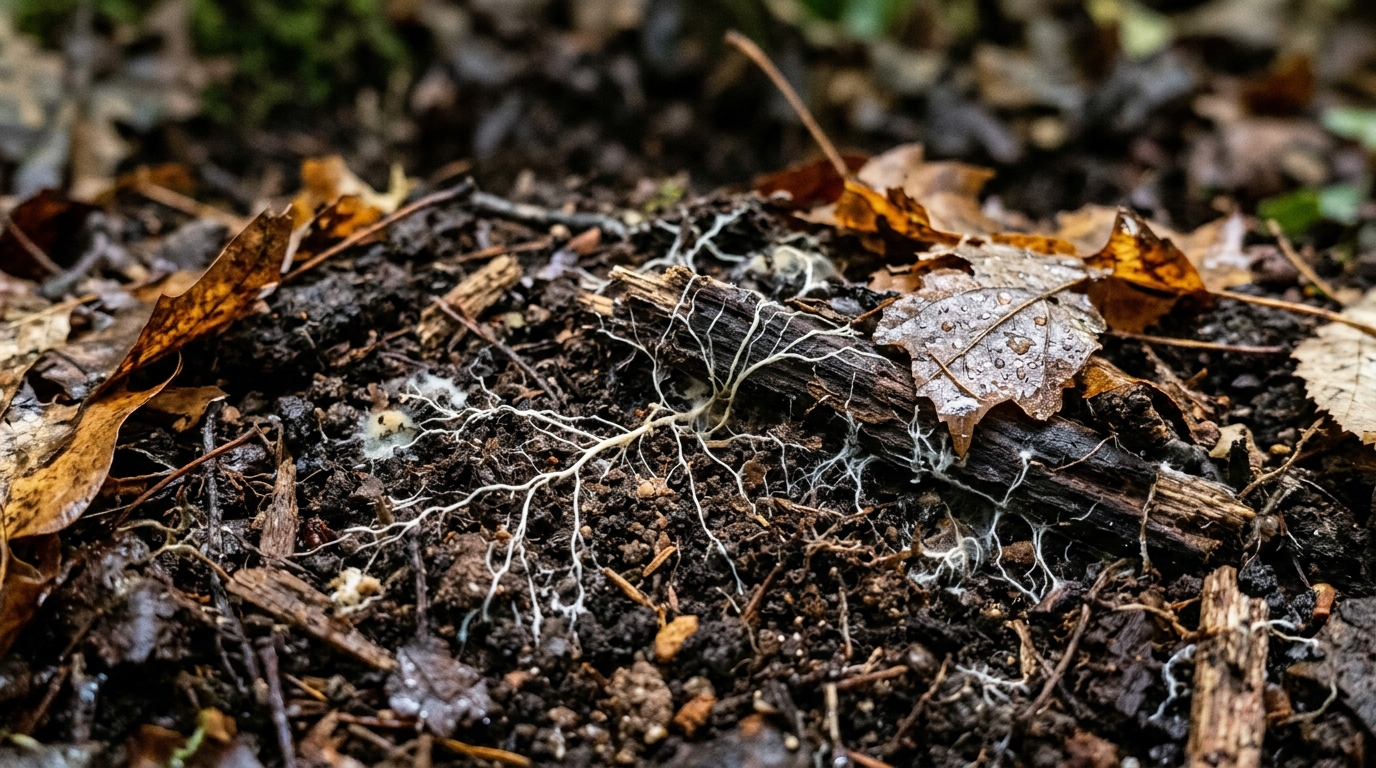
A comprehensive review published in the Annals of Microbiology examines the ecological dynamics of the thanatomicrobiome and its emerging applications in forensic science. The study, led by researchers including Moitrayee Devi and Arnabjyoti Deva Sarma, synthesizes current molecular advances in characterizing postmortem microbial communities. By integrating data from human cadavers, animal models, and controlled laboratory systems, the review highlights how predictable shifts in microbial composition after death can serve as a biological clock for estimating the postmortem interval. This temporal consistency provides a valuable framework for forensic investigators, particularly when traditional indicators such as rigor mortis or insect activity are ambiguous or absent.
The thanatomicrobiome refers specifically to the endogenous microbial communities present within the body after death, particularly in protected and often anoxic environments such as the brain, heart, liver, spleen, and gastrointestinal tract. These microorganisms primarily originate from the host’s native microbiota and continue metabolic activity immediately after death, initiating autolysis and putrefaction. In contrast, the necrobiome represents a broader concept encompassing both endogenous and exogenous microbial communities associated with decomposing remains and their surrounding environment. This distinction is crucial for understanding the hierarchical nature of postmortem microbial ecology, where internal communities dominate early decomposition while external communities become increasingly significant in later stages.
Microbial succession following death follows a structured and reproducible pattern across three principal stages of decomposition. In the early postmortem phase, lasting roughly the first 48 hours, the breakdown of host immune defenses allows endogenous microorganisms, particularly from the gut, to invade sterile tissues through microbial translocation. Facultative anaerobes such as Escherichia coli, Streptococcus species, and Clostridium species are among the first taxa to multiply, taking advantage of nutrient-rich tissues and the transition to anaerobic metabolism. This phase is characterized by the start of autolysis, where enzymatic self-digestion of tissues releases intracellular substrates that speed up microbial activity.
As decomposition progresses into the intermediate phase, typically spanning two to 14 days, microbial restructuring is driven by extensive tissue breakdown and gas accumulation. Obligate anaerobes, particularly members of the phyla Firmicutes and Bacteroidetes, proliferate rapidly, with species such as Clostridium perfringens playing key roles in proteolysis and fermentation. These metabolic activities generate volatile organic compounds, ammonia, hydrogen sulfide, and methane, which contribute to tissue distension and strong olfactory signals that attract necrophagous insects. Insect-mediated microbial dispersal becomes increasingly important during this phase, with blowfly larvae introducing exogenous bacteria that often become dominant in decomposing tissues.
In the late-stage decay phase, occurring beyond approximately 14 days, microbial communities become increasingly influenced by environmental inputs, particularly soil-associated taxa, as endogenous host substrates diminish. Microbial assemblages during this stage are typically enriched in Actinobacteria and Proteobacteria, including genera such as Pseudomonas and Streptomyces, which are well adapted to nutrient-poor and oxidative conditions. Fungal communities also gain prominence, contributing to the degradation of keratin and collagen. A defining feature of this stage is the formation of the cadaver decomposition island, a nutrient-enriched soil zone that can persist for months to years and provide long-term ecological signatures relevant to forensic investigations.
Advances in molecular techniques, including metagenomics, 16S rRNA, ITS, and 18S rDNA sequencing, have significantly improved the identification and characterization of postmortem microbial communities. While 16S rRNA gene sequencing remains a fundamental technique due to its low cost and high throughput, it has limited taxonomic resolution and fails to identify viruses or fungi. Metagenomic shotgun sequencing offers a more comprehensive, unbiased approach by sequencing all DNA fragments present in a sample, enabling the identification of functional genes linked to decomposition and the resolution of issues at the species and strain levels. Meta-transcriptomics provides a dynamic view of actively expressed RNA transcripts, distinguishing between active, dormant, and transient microbial populations, which offers stronger ecological and environmental resolution than DNA-based methods alone.
Sampling strategies are critical for reliable data generation, as microbial communities differ greatly between anatomical regions and decomposition phases. Internal organs such as the liver and spleen are key targets because they are essentially sterile during life, enabling researchers to study microbial translocation following death. Strict contamination-control measures, including UV-sterilized workspaces and autoclaved tools, are necessary for internal sampling to prevent the entry of exogenous DNA. Body fluids such as vitreous humor are frequently used because they may preserve stable microbial or biochemical profiles in the early postmortem interval. External body surface sampling, including skin and natural orifices, provides crucial information on the interactions between the body and its surrounding environment throughout decomposition.
Environmental and biological factors significantly modulate the rate and trajectory of microbial succession. Temperature is widely recognized as the most influential environmental determinant, with elevated temperatures accelerating enzymatic reactions and microbial metabolism, while low temperatures retard growth and preserve tissue integrity. Humidity and moisture availability further shape microbial dynamics by influencing oxygen diffusion and substrate solubility. Substrate characteristics, such as soil type and burial depth, also critically influence postmortem microbial succession by regulating nutrient exchange and microbial colonization sources. Necrophagous insects and vertebrate scavengers act as major biological drivers by physically disrupting tissues and introducing exogenous microorganisms, creating feedback loops that accelerate decomposition and reshape microbial succession trajectories.
Despite these advances, the routine forensic application of microbial evidence remains limited due to methodological variability, lack of standardized protocols, and insufficient reference datasets. Differences in sampling sites, postmortem intervals, environmental conditions, and bioinformatic pipelines can result in inconsistent microbial profiles, complicating cross-study comparisons. Contamination remains a persistent concern, particularly when analyzing low-biomass samples from internal organs or blood. Distinguishing true postmortem microbial translocation from laboratory-introduced contaminants requires stringent controls and standardized workflows. The absence of harmonized, large-scale global datasets represents a major barrier to advancing forensic microbiome applications, as most existing studies are geographically limited and lack generalizability beyond the original study context.
To address these challenges, the review proposes an integrated and standardized workflow for forensic microbiome analysis. This framework combines classical microbiological techniques with advanced molecular approaches to balance accuracy, cost-effectiveness, and forensic admissibility. Initial screening using culture-based methods and targeted PCR assays can provide rapid detection of key microbial indicators, while high-throughput sequencing techniques are applied for comprehensive microbial profiling and functional characterization. Integration of multi-omics data with environmental and taphonomic parameters further enhances interpretability. The incorporation of bioinformatics pipelines, statistical modelling, and machine learning approaches is recommended for data integration and predictive analysis, particularly for postmortem interval estimation.
Looking forward, postmortem microbiomics holds significant translational potential as a complementary forensic tool. With improved standardization and validation, microbial markers could augment traditional forensic methods in cases involving advanced decomposition, clandestine burials, or limited entomological evidence. Future applications may include refined postmortem interval estimation across diverse environments, microbial-based geolocation inference, and enhanced detection of antemortem infections or environmental exposures. Integration with other forensic disciplines such as forensic entomology, pathology, and geochemistry will be essential for building robust, multi-evidence frameworks. As methodological rigor improves and interdisciplinary collaboration expands, the thanatomicrobiome is poised to transition from experimental research to applied forensic science, offering a reliable and practical tool in modern criminal investigations.
Forensic microbiology has evolved significantly since the late nineteenth century, when early pathologists first observed bacterial migration in cadaveric tissues. For much of the twentieth century, the field relied on culture-based bacteriology and histopathology, methods that often yielded inconsistent results due to rapid microbial overgrowth and sampling contamination. The landscape shifted in the early twenty-first century with the adoption of culture-independent molecular techniques, including polymerase chain reaction and metagenomics. These tools enabled community-level analysis and the identification of non-cultivable organisms, moving the discipline beyond simple cataloguing of postmortem infections toward quantitative forensic techniques that leverage predictable microbial community dynamics.
The ecological principles governing these shifts mirror those found in soil and aquatic ecosystems. Following death, the cessation of circulation and immune function creates a shifting biochemical environment that favors specific microbial taxa. Early postmortem alteration is largely driven by environmental filtering, where oxygen depletion and pH changes select for anaerobic and facultative anaerobic gut microorganisms. As decomposition proceeds, resource-driven succession takes over, with microbial species possessing different metabolic capacities gradually replacing one another as labile biomolecules are consumed and more resistant components, such as lipids and collagen, become the primary substrates. This metabolic niche partitioning influences the predicted trajectory of the postmortem microbial clock.
Interactions between species further complicate and enrich the successional process. Early colonizers, such as members of the Enterobacteriaceae family, may facilitate the growth of later species by altering pH or redox conditions. Conversely, bacteriocin-producing taxa can suppress competitors, affecting microbial turnover rates. These interactions lead to increasingly complex and varied microbial networks during advanced breakdown. Community assembly is also shaped by colonization and dispersal processes, where exogenous taxa are introduced over time by insects, soil, water, and airborne sources. While deterministic processes drive distinctive successional patterns, stochastic ecological processes, including genetic drift and random colonization events, contribute to inter-individual variability among bodies and habitats.
Experimental research on these dynamics relies on diverse model systems that balance ethical considerations with biological relevance. Human cadavers provide the most biologically relevant data, capturing the complexity of human anatomy and microbiome composition. However, access to human remains is limited by ethical and logistical constraints, often resulting in small sample sizes that restrict statistical power. Consequently, animal models are widely employed as surrogates. Domestic pigs are the most common analog due to their physiological and anatomical similarities to humans, particularly regarding skin structure and gastrointestinal microbiota. Rodent models, such as mice and rats, offer advantages in cost and experimental control, making them valuable for mechanistic studies, though their rapid decomposition and divergent microbiomes limit direct extrapolation to human forensic contexts.
Decomposition studies are broadly categorized into outdoor field experiments and controlled indoor investigations. Outdoor studies expose remains to natural environmental conditions, including fluctuating temperature, humidity, and insect activity, providing ecologically realistic insights into microbial succession. These settings reflect the complexity encountered in real-world death scenes, which is crucial for forensic applications. In contrast, controlled indoor studies, often conducted in climate-regulated chambers, allow for precise manipulation of variables such as temperature, moisture, and oxygen availability. While these systems enhance reproducibility and facilitate causal inference, they may oversimplify natural decomposition processes by excluding insects and environmental microbial inputs. Integrative approaches that combine outdoor realism with controlled experimental design are increasingly advocated to disentangle intrinsic microbial succession from environmentally driven variability.
Subject of Research: Ecological dynamics and forensic applications of the thanatomicrobiome
Article Title: Thanatomicrobiome and postmortem microbial succession: ecological dynamics, molecular advances, and emerging forensic applications
Article References: Devi, M., Sarma, V., Bardoloi, A., Kumar, D., Choudhary, N., Kondaveeti, S. B., & Sarma, A. D. (2026). Thanatomicrobiome and postmortem microbial succession: ecological dynamics, molecular advances, and emerging forensic applications. Annals of Microbiology, 76(1), Article 30. https://doi.org/10.1186/s13213-026-01856-8
Image Credits: AI Generated
DOI: 10.1186/s13213-026-01856-8
Keywords: thanatomicrobiome, forensic microbiology, postmortem interval, microbial succession, decomposition, metagenomics, necrobiome, forensic science, postmortem, microbial, succession, ecological
Cite Scienmag News
Morgan Morrow. (November 11, 2026). Postmortem Microbial Succession Offers New Forensic Tools. Scienmag. https://scienmag.com/postmortem-microbial-succession-offers-new-forensic-tools/
Morgan Morrow. "Postmortem Microbial Succession Offers New Forensic Tools." Scienmag, 11 November 2026, https://scienmag.com/postmortem-microbial-succession-offers-new-forensic-tools/. Accessed 11 November 2026.
Morgan Morrow. "Postmortem Microbial Succession Offers New Forensic Tools." Scienmag. November 11, 2026. https://scienmag.com/postmortem-microbial-succession-offers-new-forensic-tools/




