


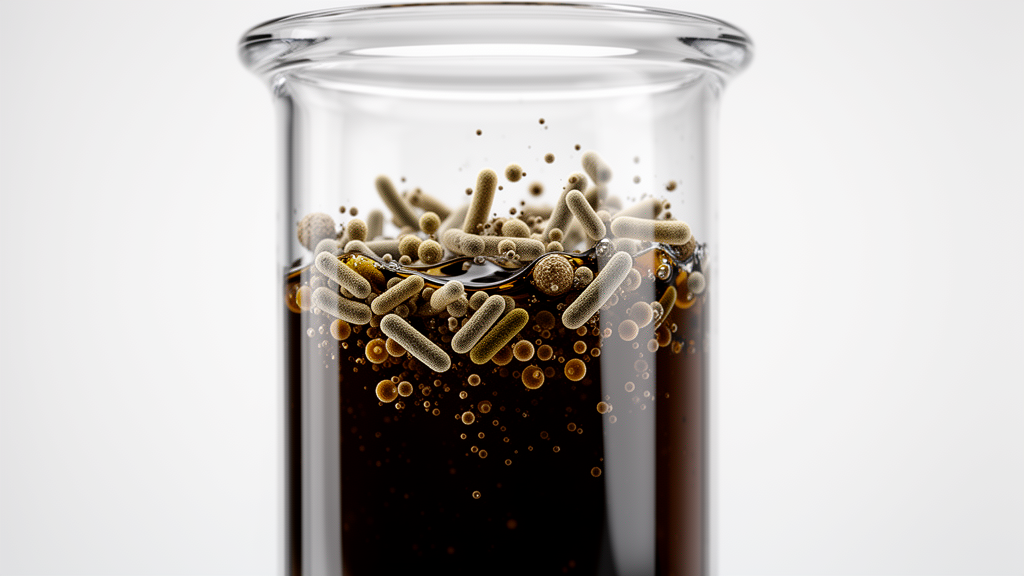
Indigenous bacterial strains isolated from contaminated mechanical workshop soils in southeastern Nigeria demonstrated significant capacity to degrade spent engine oil under laboratory conditions, according to a study published in Discover Soil. The research team evaluated the biodegradation potential of Bacillus and Pseudomonas species recovered from spent engine oil-contaminated soils in Abakaliki, Ebonyi State. The study aimed to identify locally adapted microorganisms that could serve as sustainable alternatives for remediating petroleum-contaminated environments. By combining gravimetric analysis with gas chromatography-mass spectrometry, the researchers provided a detailed assessment of how these indigenous isolates alter the chemical composition of used engine oil over a 21-day incubation period.
The investigation was motivated by the environmental challenge posed by mechanical workshop activities, which generate pollutants including undegraded petroleum hydrocarbons, toxic additives, and heavy metals. These contaminants can have detrimental effects on the environment and human health if not properly managed. Bioremediation, the use of microorganisms to degrade and detoxify pollutants, has emerged as a promising approach to address such contamination. The study specifically focused on the comparative biodegradation performance of Pseudomonas and Bacillus isolates, noting that these genera possess versatile metabolic pathways and enzymatic machinery capable of breaking down complex organic compounds.
Soil samples were collected from two mechanical workshops located in the Mechanic Village, Ogoja Road, Azuiyi Udene, Abakaliki. The sampling sites were defined by specific geographic coordinates to ensure precise localization of the contaminated areas. Four samples were collected in total, two from each workshop, using a core handler with physical hammering. The samples were transported to the microbiology laboratory of Alex Ekwueme Federal University Ndufu Alike and stored at 4°C for further analysis. Physicochemical characterization of the soils revealed a weakly acidic pH range of 5.8 to 6.15 and the presence of heavy metals such as zinc, cadmium, lead, and iron. Total petroleum hydrocarbon concentrations ranged from 140.25 to 160.1 mg/kg, confirming the contaminated status of the soil samples.
The isolation process involved weighing ten grams of each soil sample and dissolving it in sterile normal saline, followed by two-fold serial dilutions. The diluents were inoculated into nutrient agar using the pour plate method and incubated at 37°C for 24 hours. A total of 88 bacterial isolates were recovered from the contaminated soil. These isolates were screened for their ability to utilize hydrocarbons by inoculating them into mineral salt medium supplemented with spent engine oil as the sole carbon source. After 18 hours of incubation, sixteen isolates that demonstrated appreciable growth and visible turbidity were selected for subsequent biodegradation studies. These sixteen isolates comprised members of the genera Pseudomonas and Bacillus, identified through standard morphological and biochemical methods.
The biodegradation experiment involved inoculating sterile mineral salt medium with spent engine oil and the selected bacterial cultures. The flasks were incubated at 37°C for 21 days and agitated daily. Biodegradation efficiency was determined gravimetrically by extracting the residual oil using diethyl ether and measuring the weight difference between the original and residual oil. The percentage degradation was calculated based on the amount of oil degraded relative to the original weight. This method allowed for a quantitative assessment of the bacterial isolates’ ability to consume the hydrocarbon substrate over time.
Among the Pseudomonas isolates, SA/B81 exhibited the highest percentage rate of degradation, achieving 78% after 21 days. This was closely followed by isolate SA/A51, which achieved 75% degradation. In contrast, isolate SB/A83 demonstrated the lowest degradation efficiency among the Pseudomonas group, with only 3% degradation. The Bacillus isolates showed varying degrees of efficiency, with isolate SA/B75 recording the highest biodegradation efficiency of 54%. Other Bacillus isolates, SA/B62 and SB/B74, achieved degradation efficiencies of 46% and 40%, respectively, while isolate SB/B73 showed the least degradation at 8%. These results highlight considerable variation in the capacity of different bacterial strains to degrade spent engine oil.
To verify the chemical changes associated with biodegradation, the researchers employed gas chromatography-mass spectrometry to analyze the hydrocarbon composition of the spent engine oil before and after treatment. The undegraded spent engine oil contained eighteen identifiable compounds, including 1,2,3-trimethylbenzene, octadec-9-enoic acid, and octadecanoic acid. Following 21 days of biodegradation by Pseudomonas isolate SA/B81, the number of detectable compounds reduced to eight. Several compounds, including 1,2,3-trimethylbenzene, eicosanoic acid, and tetratriacontane, were no longer detected, suggesting their complete microbial transformation. The persistence of other compounds, such as linoleic acid and octadec-9-enoic acid, indicated that they were not completely metabolized during the incubation period.
The GC-MS analysis revealed that the total peak area of the hydrocarbon profile decreased from 14,138,269 to 6,983,335, representing a 50.6% reduction. This substantial reduction in the number and abundance of detectable compounds corroborates the gravimetric degradation efficiency of 78% obtained for Pseudomonas isolate SA/B81. The study noted that the remaining compounds may represent more recalcitrant hydrocarbon fractions or metabolic intermediates generated during the microbial degradation process. Similar patterns were observed for Pseudomonas isolate SA/A51 and Bacillus isolate SA/B75, which resulted in eight and thirteen residual compounds, respectively, demonstrating that all three isolates were capable of altering the hydrocarbon composition of spent engine oil.
The study acknowledges a significant limitation: bacterial identification was based on cultural, morphological, and biochemical characteristics without molecular confirmation through 16S rRNA gene sequencing. Consequently, the assignment of the isolates to the genera Pseudomonas and Bacillus should be regarded as presumptive rather than definitive species-level identification. The authors recommend that future studies incorporate molecular identification techniques to provide more robust taxonomic confirmation. Additionally, field-scale validation is necessary to assess the practical application of these isolates under environmental conditions, as the current findings are derived from laboratory experiments.
The findings contribute to the growing body of evidence supporting the application of indigenous microorganisms as environmentally sustainable alternatives for the remediation of petroleum hydrocarbon-polluted environments. The high degradation efficiency of Pseudomonas isolate SA/B81 suggests that locally adapted bacteria from contaminated sites may be effective candidates for site-specific bioremediation programs. However, the presence of persistent residual compounds indicates that complete biodegradation of spent engine oil may require further investigation into the recalcitrant fractions. The study underscores the importance of continuous screening and evaluation of indigenous hydrocarbon-degrading bacteria to identify efficient candidates for environmental cleanup.
In conclusion, the study demonstrates that indigenous Bacillus and Pseudomonas species isolated from mechanical workshop soils possess considerable potential for the biodegradation of petroleum hydrocarbons. The combination of gravimetric analysis and GC-MS provided a comprehensive view of the biodegradation process, confirming the extensive alteration of the hydrocarbon composition. While the results are promising, the need for molecular identification and field trials remains critical for translating these laboratory findings into practical bioremediation strategies. The research highlights the potential of leveraging local microbial resources to address environmental challenges associated with industrial waste.
Subject of Research: Bioremediation of spent engine oil by indigenous Bacillus and Pseudomonas species
Article Title: Exploring the bioremediation capacity of Bacillus and Pseudomonas species isolated from mechanic workshop soil
Article References: Victor-Ekwebelem, M. O., Ukaigwe, P. C., Aransiola, S. A., Maddela, N. R., & Prasad, R. (2026). Exploring the bioremediation capacity of Bacillus and Pseudomonas species isolated from mechanic workshop soil. Discover Soil, 3(1), Article 205. https://doi.org/10.1007/s44378-026-00366-y
Image Credits: AI Generated
DOI: 10.1007/s44378-026-00366-y
Keywords: bioremediation, spent engine oil, Pseudomonas, Bacillus, hydrocarbon degradation, soil contamination, GC-MS analysis, microbial ecology, environmental cleanup, Nigeria, Exploring, capacity
Cite Scienmag News
Morgan Morrow. (November 8, 2026). Workshop Soil Bacteria Show Promise for Engine Oil Cleanup. Scienmag. https://scienmag.com/workshop-soil-bacteria-show-promise-for-engine-oil-cleanup/
Morgan Morrow. "Workshop Soil Bacteria Show Promise for Engine Oil Cleanup." Scienmag, 8 November 2026, https://scienmag.com/workshop-soil-bacteria-show-promise-for-engine-oil-cleanup/. Accessed 17 November 2026.
Morgan Morrow. "Workshop Soil Bacteria Show Promise for Engine Oil Cleanup." Scienmag. November 8, 2026. https://scienmag.com/workshop-soil-bacteria-show-promise-for-engine-oil-cleanup/




