

Tuesday, November 10, 2026
Science
No Result
View All Result
  • Login
  • HOME
  • SCIENCE NEWS
  • CONTACT US
  • HOME
  • SCIENCE NEWS
  • CONTACT US
No Result
View All Result
Scienmag
No Result
View All Result
Home Science News Medicine

Evaluating Statistical Methods for Sequential Parallel Comparison Designs Under Non-Proportional Hazards

November 8, 2026
in Medicine
Ophelia Keating
By Ophelia Keating Scienmag Editorial Profile - Health Services Research
Reading Time: 2 mins read
0
Evaluating Statistical Methods for Sequential Parallel Comparison Designs Under Non-Proportional Hazards

Evaluating Statistical Methods for Sequential Parallel Comparison Designs Under Non-Proportional Hazards

65
SHARES
587
VIEWS
Share on FacebookShare on Twitter
ADVERTISEMENT

Under proportional hazards, commonly used statistical test statistics maintain appropriate type I error control in sequential parallel comparison designs with time-to-event endpoints, but their performance diverges substantially when the assumption of proportional hazards is violated. In a systematic evaluation examining trial designs with time-to-event outcomes, weighted log-rank and Cox Wald test statistics achieved the highest statistical power when proportional hazards held true.

The sequential parallel comparison design was developed to address high placebo response rates by enriching the study population with placebo nonresponders. Although earlier work established statistical inference for time-to-event endpoints under the assumption of proportional hazards, treatment effects in clinical investigations frequently vary over time. Consequently, it remained unclear whether standard time-to-event methods retain their statistical properties under the two-stage structure of a sequential parallel comparison design when proportional hazards do not hold.

To resolve this question, researchers Xinlin Lu and Guogen Shan conducted a systematic evaluation of test statistic robustness under non-proportional hazards in sequential parallel comparison designs featuring a time-to-event endpoint. Their analysis evaluated commonly used test statistics derived from the Cox proportional hazards model, alongside nonparametric rank-based tests and the restricted mean survival time approach.

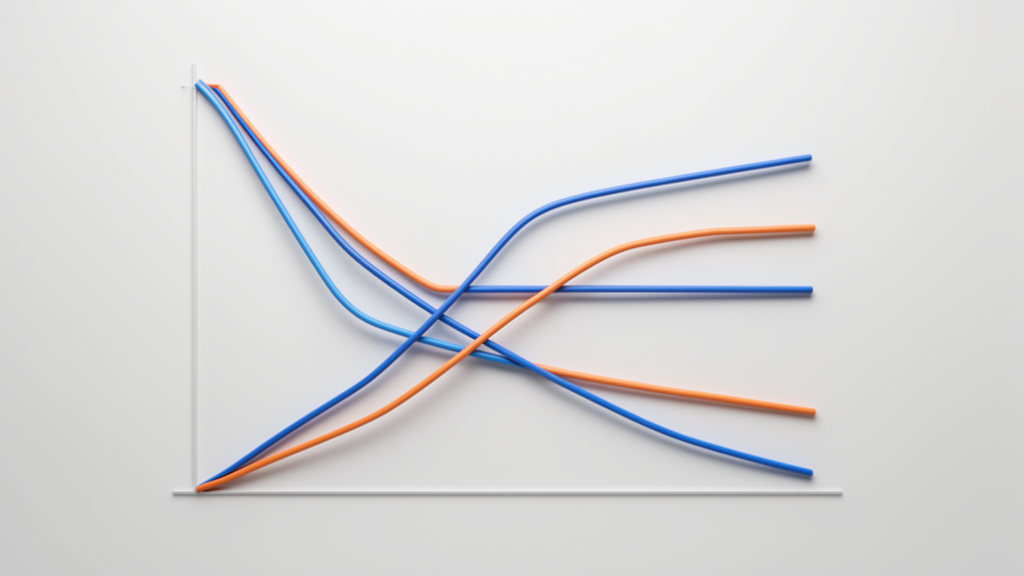
When proportional hazards were violated, the performance of the evaluated methods diverged according to the specific pattern of the treatment effect. The nonparametric Gehan-Wilcoxon statistic demonstrated greater sensitivity when treatment effects were early and diminishing, whereas the restricted mean survival time approach performed more reliably under crossing hazards accompanied by early benefit. These findings demonstrate that selecting appropriate test statistics must align directly with anticipated treatment dynamics in time-to-event trials that use the sequential parallel comparison design.

Subject of Research: Statistical methods for sequential parallel comparison designs with time-to-event endpoints

Article Title: Comparison of statistical methods for sequential parallel comparison designs with time-to-event endpoints under non-proportional hazards

Article References: Lu, X., & Shan, G. (2026). Comparison of statistical methods for sequential parallel comparison designs with time-to-event endpoints under non-proportional hazards. BMC Medical Research Methodology. https://doi.org/10.1186/s12874-026-03053-2

Image Credits: AI Generated

DOI: 10.1186/s12874-026-03053-2

Keywords: sequential parallel comparison design, time-to-event endpoints, non-proportional hazards, Cox proportional hazards model, restricted mean survival time, Gehan-Wilcoxon statistic, clinical trial methodology, type I error, Comparison, statistical, methods, sequential

Cite Scienmag News

Ophelia Keating. (November 8, 2026). Evaluating Statistical Methods for Sequential Parallel Comparison Designs Under Non-Proportional Hazards. Scienmag. https://scienmag.com/evaluating-statistical-methods-for-sequential-parallel-comparison-designs-under-non-proportional-hazards/

Ophelia Keating. "Evaluating Statistical Methods for Sequential Parallel Comparison Designs Under Non-Proportional Hazards." Scienmag, 8 November 2026, https://scienmag.com/evaluating-statistical-methods-for-sequential-parallel-comparison-designs-under-non-proportional-hazards/. Accessed 10 November 2026.

Ophelia Keating. "Evaluating Statistical Methods for Sequential Parallel Comparison Designs Under Non-Proportional Hazards." Scienmag. November 8, 2026. https://scienmag.com/evaluating-statistical-methods-for-sequential-parallel-comparison-designs-under-non-proportional-hazards/

Tags: clinical trial methodologyComparisonCox proportional hazards modelGehan-Wilcoxon statisticmethodsnon-proportional hazardsrestricted mean survival timesequentialsequential parallel comparison designstatisticaltime-to-event endpointsType I error
Share26Tweet16
Previous Post

Nasal IL-1β Tracks COPD Upper Airway Symptoms

Next Post

Calcium sequestering salts boost solubility and foaming of buffalo milk micellar casein concentrate

Related Posts

Research report: Application effects analysis of a nurse-led and family-involved pain management program for children with limb fractures
Pediatry

Application effects analysis of a nurse-led and family-involved pain management program for children with limb fractures

November 10, 2026
Cherry Blossom Compounds Counteract Skin Aging in Lab Fibroblasts
Medicine

Cherry Blossom Compounds Counteract Skin Aging in Lab Fibroblasts

November 10, 2026
Schizophrenia Costs Most in South African Hospital Study
Medicine

Schizophrenia Costs Most in South African Hospital Study

November 10, 2026
Pretreatment Serum Interleukin-10 Shows Potential Prognostic Link in Gastrointestinal Lymphoma
Cancer

Pretreatment Serum Interleukin-10 Shows Potential Prognostic Link in Gastrointestinal Lymphoma

November 10, 2026
Pretreatment Metabolic Score Stratifies Risk in Non-Metastatic Nasopharyngeal Carcinoma
Cancer

Pretreatment Metabolic Score Stratifies Risk in Non-Metastatic Nasopharyngeal Carcinoma

November 10, 2026
Later Autism Diagnosis Linked to Higher Psychiatric Care Use
Psychology & Psychiatry

Later Autism Diagnosis Linked to Higher Psychiatric Care Use

November 10, 2026
Next Post
Calcium sequestering salts boost solubility and foaming of buffalo milk micellar casein concentrate

Calcium sequestering salts boost solubility and foaming of buffalo milk micellar casein concentrate

  • Mothers who receive childcare support from maternal grandparents show more optimized

    Mothers who receive childcare support from maternal grandparents show more parental warmth, finds NTU Singapore study

    27656 shares
    Share 11059 Tweet 6912
  • University of Seville Breaks 120-Year-Old Mystery, Revises a Key Einstein Concept

    1061 shares
    Share 424 Tweet 265
  • Bee body mass, pathogens and local climate influence heat tolerance

    682 shares
    Share 273 Tweet 171
  • Researchers record first-ever images and data of a shark experiencing a boat strike

    546 shares
    Share 218 Tweet 137
  • Groundbreaking Clinical Trial Reveals Lubiprostone Enhances Kidney Function

    531 shares
    Share 212 Tweet 133
Science

Embark on a thrilling journey of discovery with Scienmag.com—your ultimate source for cutting-edge breakthroughs. Immerse yourself in a world where curiosity knows no limits and tomorrow’s possibilities become today’s reality!

RECENT NEWS

  • Application effects analysis of a nurse-led and family-involved pain management program for children with limb fractures
  • Cherry Blossom Compounds Counteract Skin Aging in Lab Fibroblasts
  • Schizophrenia Costs Most in South African Hospital Study
  • Data Center Cooling Analysis Weighs Trade-Offs Between Water and Carbon Circularity

Categories

  • Agriculture
  • Anthropology
  • Archaeology
  • Athmospheric
  • Biology
  • Biotechnology
  • Blog
  • Bussines
  • Cancer
  • Chemistry
  • Climate
  • Earth Science
  • Editorial Policy
  • Marine
  • Mathematics
  • Medicine
  • Pediatry
  • Policy
  • Psychology & Psychiatry
  • Science Education
  • Science News
  • Social Science
  • Space
  • Technology and Engineering

Subscribe to Blog via Email

Enter your email address to subscribe to this blog and receive notifications of new posts by email.

Join 5,150 other subscribers

© 2025 Scienmag - Science Magazine

Welcome Back!

Login to your account below

Forgotten Password?

Retrieve your password

Please enter your username or email address to reset your password.

Log In
No Result
View All Result
  • HOME
  • SCIENCE NEWS
  • CONTACT US

© 2025 Scienmag - Science Magazine

Discover more from Science

Subscribe now to keep reading and get access to the full archive.

Continue reading

