Thursday, October 29, 2026
Science
No Result
View All Result
  • Login
  • HOME
  • SCIENCE NEWS
  • CONTACT US
  • HOME
  • SCIENCE NEWS
  • CONTACT US
No Result
View All Result
Scienmag
No Result
View All Result
Home Science News Biology

Research report: Genomic and functional characterization of the respiratory commensal Haemophilus paraphrohaemolyticus reveals production of anti-streptococcal peptides

October 28, 2026
in Biology
Juliet Wilcox
By Juliet Wilcox Scienmag Editorial Profile - Human Genetics
Reading Time: 2 mins read
0
Research report: Genomic and functional characterization of the respiratory commensal Haemophilus paraphrohaemolyticus reveals production of anti-streptococcal peptides

Research report: Genomic and functional characterization of the respiratory commensal Haemophilus paraphrohaemolyticus reveals production of anti-streptococcal peptides

65
SHARES
587
VIEWS
Share on FacebookShare on Twitter
ADVERTISEMENT

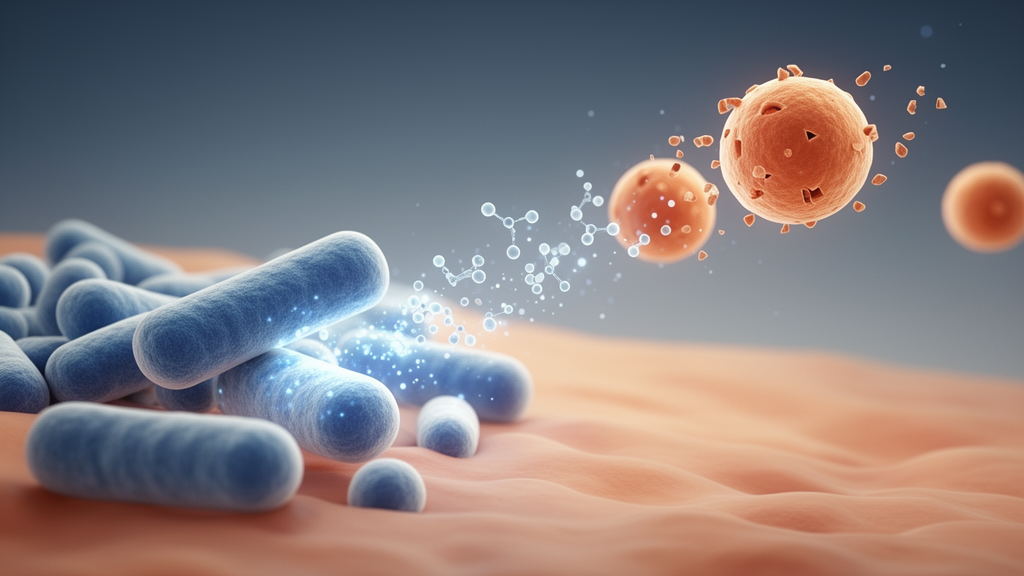
Researchers have characterized Haemophilus paraphrohaemolyticus, a little-studied bacterial commensal found at low abundance in the healthy human nasopharynx, and shown that it produces antimicrobial peptides that selectively target Streptococcus species, including the important pathogen Streptococcus pneumoniae. The work, published in BMC Microbiology, combines genomic analysis with functional testing of the bacterium’s secreted molecules.

A central contribution of the study is taxonomic. The authors provide what they describe as conclusive evidence that H. paraphrohaemolyticus is a distinct species, separate from the closely related H. parahaemolyticus. In doing so they address inconsistencies in the previous literature and supply supplementary genomic markers intended to improve classification algorithms for this group of bacteria.

Functionally, the team identified the commensal as a source of novel antimicrobial peptides, a class of molecules valued for their structural diversity, potent activity and reduced propensity to drive resistance. The peptides produced by H. paraphrohaemolyticus showed a striking selectivity: they targeted Streptococcus species while leaving other nasopharyngeal taxa largely unaffected. Notably, this genus-specific activity was conserved even though the peptides themselves differ in structure and physicochemical properties.

Safety profiling in the study indicated that the peptides were non-cytotoxic towards human epithelial cells, a prerequisite for any consideration of clinical translation. The authors suggest that production of these peptides likely reflects an evolved competitive strategy that helps low-abundance commensals persist in dense mucosal communities, positioning such organisms as potential key modulators of microbial ecology.

Beyond immediate applications, the researchers propose that these AMPs might reveal novel and noncanonical mechanisms of action that could guide the future design of pneumococcal-targeted antimicrobials, at a time when antimicrobial resistance continues to threaten global health and fuels demand for compounds with new modes of activity. The biosynthetic potential of the respiratory tract microbiota, they note, remains underexplored despite multiple members of the human microbiota being known peptide producers.

Subject of Research: Antimicrobial peptides produced by the respiratory commensal Haemophilus paraphrohaemolyticus that selectively target Streptococcus species

Article Title: Genomic and functional characterization of the respiratory commensal Haemophilus paraphrohaemolyticus reveals production of anti-streptococcal peptides

Article References: Rechsteiner, L., Ramette, A., Heller, M., Dube, F. S., & Hathaway, L. J. (2026). Genomic and functional characterization of the respiratory commensal Haemophilus paraphrohaemolyticus reveals production of anti-streptococcal peptides. BMC Microbiology. https://doi.org/10.1186/s12866-026-05855-2

Image Credits: AI Generated

DOI: 10.1186/s12866-026-05855-2

Keywords: Haemophilus paraphrohaemolyticus, antimicrobial peptides, nasopharynx, Streptococcus pneumoniae, microbiota, bacterial genomics, taxonomy, commensal bacteria, antimicrobial resistance, pneumococcus, Genomic, functional

Cite Scienmag News

Juliet Wilcox. (October 28, 2026). Research report: Genomic and functional characterization of the respiratory commensal Haemophilus paraphrohaemolyticus reveals production of anti-streptococcal peptides. Scienmag. https://scienmag.com/research-report-genomic-and-functional-characterization-of-the-respiratory-commensal-haemophilus-paraphrohaemolyticus-reveals-production-of-anti-streptococcal-peptides/

Juliet Wilcox. "Research report: Genomic and functional characterization of the respiratory commensal Haemophilus paraphrohaemolyticus reveals production of anti-streptococcal peptides." Scienmag, 28 October 2026, https://scienmag.com/research-report-genomic-and-functional-characterization-of-the-respiratory-commensal-haemophilus-paraphrohaemolyticus-reveals-production-of-anti-streptococcal-peptides/. Accessed 29 October 2026.

Juliet Wilcox. "Research report: Genomic and functional characterization of the respiratory commensal Haemophilus paraphrohaemolyticus reveals production of anti-streptococcal peptides." Scienmag. October 28, 2026. https://scienmag.com/research-report-genomic-and-functional-characterization-of-the-respiratory-commensal-haemophilus-paraphrohaemolyticus-reveals-production-of-anti-streptococcal-peptides/
Tags: antimicrobial peptidesantimicrobial peptides targeting Streptococcus pneumoniaeAntimicrobial Resistancebacterial genomicsbacterial taxonomy and classificationcommensal bacteriadifferentiation between Haemophilus speciesfunctionalfunctional characterization of respiratory microbiotagenomicHaemophilus paraphrohaemolyticusHaemophilus paraphrohaemolyticus genomic analysismicrobiome-based pathogen controlMicrobiotanasopharyngeal bacterial commensalsnasopharynxnovel antimicrobial peptide discoverypneumococcuspotential clinical applications of antimicrobial peptidesresistance-reducing antimicrobial moleculessafety profiling of antimicrobial peptidesspecies-specific antimicrobial activityStreptococcus pneumoniaetaxonomy
Share26Tweet16
Previous Post

Cardiac MRI Before Ventricular Tachycardia Ablation Shows Mixed Results in Systematic Review

Next Post

Hardware That Learns: UCLA-Rooted Nanowire Networks Point Toward Physical AI

Related Posts

Systematic review maps biomarkers for immunotherapy in microsatellite-stable colorectal cancer
Biology

Systematic review maps biomarkers for immunotherapy in microsatellite-stable colorectal cancer

October 29, 2026
Acid-loving bacteria strip methane in hot biotrickling filters for 700 days
Biotechnology

Acid-loving bacteria strip methane in hot biotrickling filters for 700 days

October 29, 2026
Plasma microRNA signature identified in treatment-naïve primary progressive multiple sclerosis
Biology

Plasma microRNA signature identified in treatment-naïve primary progressive multiple sclerosis

October 29, 2026
Blocking Autophagy in Lung Macrophages Boosts Immune Priming Against Infections
Biology

Blocking Autophagy in Lung Macrophages Boosts Immune Priming Against Infections

October 29, 2026
Research report: In vivo-compatible spatial multi-omics via hydrogen peroxide-independent APEX2 labeling
Chemistry

Research report: In vivo-compatible spatial multi-omics via hydrogen peroxide-independent APEX2 labeling

October 29, 2026
Probiotics and children’s neurodevelopment research mapped in new bibliometric analysis
Biotechnology

Probiotics and children’s neurodevelopment research mapped in new bibliometric analysis

October 29, 2026
Next Post
Hardware That Learns: UCLA-Rooted Nanowire Networks Point Toward Physical AI

Hardware That Learns: UCLA-Rooted Nanowire Networks Point Toward Physical AI

  • Mothers who receive childcare support from maternal grandparents show more optimized

    Mothers who receive childcare support from maternal grandparents show more parental warmth, finds NTU Singapore study

    27656 shares
    Share 11059 Tweet 6912
  • University of Seville Breaks 120-Year-Old Mystery, Revises a Key Einstein Concept

    1061 shares
    Share 424 Tweet 265
  • Bee body mass, pathogens and local climate influence heat tolerance

    682 shares
    Share 273 Tweet 171
  • Researchers record first-ever images and data of a shark experiencing a boat strike

    546 shares
    Share 218 Tweet 137
  • Groundbreaking Clinical Trial Reveals Lubiprostone Enhances Kidney Function

    531 shares
    Share 212 Tweet 133
Science

Embark on a thrilling journey of discovery with Scienmag.com—your ultimate source for cutting-edge breakthroughs. Immerse yourself in a world where curiosity knows no limits and tomorrow’s possibilities become today’s reality!

RECENT NEWS

  • Deep learning reads well logs to map coal-bearing rock types, with simple CNN outperforming complex models
  • Atlantic and Pacific Ocean Cycles Shape Sahel Rains in Opposite East-West Patterns
  • Compound from Algerian Desert Plant Shows Antifungal Activity and SARS-CoV-2 Binding in Lab Tests
  • Research report: Comparative nitrogen speciation in marine and coastal urban aerosols of the Greater Bay Area and implications for PM2.5-bound nitrogen deposition

Categories

  • Agriculture
  • Anthropology
  • Archaeology
  • Athmospheric
  • Biology
  • Biotechnology
  • Blog
  • Bussines
  • Cancer
  • Chemistry
  • Climate
  • Earth Science
  • Editorial Policy
  • Marine
  • Mathematics
  • Medicine
  • Pediatry
  • Policy
  • Psychology & Psychiatry
  • Science Education
  • Science News
  • Social Science
  • Space
  • Technology and Engineering

Subscribe to Blog via Email

Enter your email address to subscribe to this blog and receive notifications of new posts by email.

Join 5,151 other subscribers

© 2025 Scienmag - Science Magazine

Welcome Back!

Login to your account below

Forgotten Password?

Retrieve your password

Please enter your username or email address to reset your password.

Log In
No Result
View All Result
  • HOME
  • SCIENCE NEWS
  • CONTACT US

© 2025 Scienmag - Science Magazine

Discover more from Science

Subscribe now to keep reading and get access to the full archive.

Continue reading