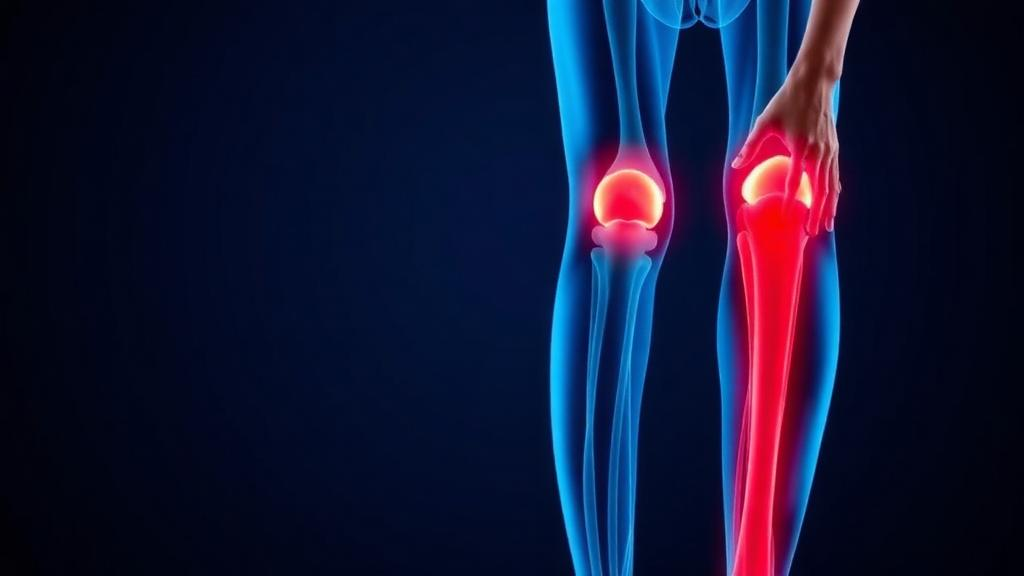
Adults living with hip and knee osteoarthritis often struggle to adopt the very behaviors that guidelines say matter most: staying physically active, managing weight and sleeping well. A new qualitative study, published in BMC Rheumatology, set out to hear directly from patients about what makes those changes hard and what kind of digital support they would actually want. The paper, led by Britt van Dongen and colleagues, was published on 13 October 2026 as an open access research article.
The research team conducted semi-structured interviews with 20 Dutch adults diagnosed with hip and/or knee osteoarthritis. The interviews focused on participants’ experiences with changing physical activity, weight management and sleep, including the barriers and facilitators they encountered, as well as the support they felt they needed. To move beyond abstract answers, the researchers used visual probes that presented potential digital support components and elicited concrete reactions to them.
Data were analyzed using a thematic analysis approach that combined inductive coding and theme development with a deductive framework. That framework was structured by the three behavioral domains of physical activity, weight management and sleep, and by the dimensions of facilitators, barriers and support needs. This design allowed the team to compare experiences across behaviors while remaining open to themes that emerged from the interviews themselves.
The results show a clear pattern. Pain and other osteoarthritis-related symptoms were the most prominent barriers to engaging in physical activity and to adequate sleeping. Weight management was hindered primarily by psychological and environmental factors rather than by symptoms, marking a notable contrast between the behavioral domains.
On the positive side, facilitators for behavior change fell into four categories: symptom management, motivational drivers, psychological reinforcement and behavioral strategies.
Support needs were discussed less extensively by participants, which resulted in relatively few practical suggestions. Even so, a consistent picture emerged across all three behaviors. Participants expressed a desire for personalized guidance and for support with planning, monitoring and feedback, cues to action, and tailored education for behavior change.
The authors note that the findings enhance understanding of the barriers and facilitators experienced by individuals with hip and/or knee osteoarthritis in managing physical activity, weight management and sleep, and provide insight into broad categories of support preference. Because the interviews also captured reactions to concrete digital components through visual probes, the results are intended to inform the design of future tools rather than to evaluate any existing intervention.
According to the study’s conclusions, these insights can help inform the development of more adaptive and personalized digital interventions to enhance self-management among people with osteoarthritis. The background to the study notes that hip and knee osteoarthritis are increasingly prevalent among older adults and often impair daily functioning, and that current treatment guidelines emphasize self-management through physical activity, weight management and sleep, even though many individuals experience barriers to adopting and maintaining these behaviors.
As a qualitative interview study of 20 Dutch adults, the work describes participants’ experiences and stated preferences rather than testing whether any digital intervention improves outcomes. Its value lies in mapping what patients themselves identify as obstacles and enablers, and in sketching the broad support features, from planning and monitoring to tailored education, that future digital self-management tools could build upon.
Subject of Research: Experiences and perceived digital support needs for health behavior change among adults with hip and knee osteoarthritis
Article Title: Experiences with health behavior change and perceived needs for digital support in adults with hip and knee osteoarthritis: a qualitative study
Article References: van Dongen, B., Ronteltap, A., Kloek, C., Veerkamp, L., Bolman, C., & Crutzen, R. (2026). Experiences with health behavior change and perceived needs for digital support in adults with hip and knee osteoarthritis: a qualitative study. BMC Rheumatology. https://doi.org/10.1186/s41927-026-00702-3
Image Credits: AI Generated
DOI: 10.1186/s41927-026-00702-3
Keywords: osteoarthritis, hip osteoarthritis, knee osteoarthritis, self-management, physical activity, weight management, sleep, digital health intervention, qualitative research, thematic analysis, personalized support, behavior change
Cite Scienmag News
Ophelia Keating. (October 28, 2026). Pain, motivation and digital help: what adults with hip and knee osteoarthritis say they need. Scienmag. https://scienmag.com/pain-motivation-and-digital-help-what-adults-with-hip-and-knee-osteoarthritis-say-they-need/
Ophelia Keating. "Pain, motivation and digital help: what adults with hip and knee osteoarthritis say they need." Scienmag, 28 October 2026, https://scienmag.com/pain-motivation-and-digital-help-what-adults-with-hip-and-knee-osteoarthritis-say-they-need/. Accessed 28 October 2026.
Ophelia Keating. "Pain, motivation and digital help: what adults with hip and knee osteoarthritis say they need." Scienmag. October 28, 2026. https://scienmag.com/pain-motivation-and-digital-help-what-adults-with-hip-and-knee-osteoarthritis-say-they-need/