A newly published review in Discover Immunity examines how universal influenza vaccine platforms could strengthen the world’s defenses against H5N1 avian influenza, a virus the authors describe as a significant threat to global public health. The review, published on 4 October 2026 as an open-access article, brings together current evidence on licensed and experimental H5N1 vaccines, the immunological factors that shape their performance, and the manufacturing and distribution systems that would determine whether an effective response to an outbreak is even possible. Its central argument is that protection against a virus as antigenically variable as H5N1 cannot rest on strain-matched vaccines alone, but requires platforms built around conserved regions of the virus that can generate durable, cross-protective immunity against multiple variants.
The review begins by situating H5N1 within the broader landscape of zoonotic threats. H5N1 avian influenza is described as a particularly dangerous strain of influenza A virus because it can infect both birds and humans. First identified in Hong Kong in 1997, the virus has since caused periodic outbreaks in poultry and wild birds across global regions, with occasional human infections that have had fatal consequences. Highly pathogenic avian influenza viruses kill large quantities of poultry and impose significant economic losses on the poultry industry worldwide. In humans, the review notes, H5N1 infection can lead to acute respiratory distress and organ failure, with a fatality rate described as extremely high compared with seasonal influenza strains. Human infections occur mainly through close contact with infected chickens or contaminated environments, and the possibility that mutations could enable sustained human-to-human transmission remains a central concern. The virus’s rapid mutation rate and its potential for human-to-human spread are cited as the reasons it has become a priority for global health surveillance and preparedness.
Against this background, the review assesses what current H5N1 vaccine platforms actually deliver. Licensed, prepandemic and stockpiled H5N1 vaccines are inactivated and recombinant hemagglutinin vaccines, developed with or without adjuvants. The immunogenicity literature indicates that adjuvanted preparations consistently induce higher hemagglutination inhibition and neutralizing antibody titers than non-adjuvanted preparations, and reach seroprotective titers, defined as an HAI titer of at least 1:40, with lower antigen doses and fewer injections. Oil-in-water adjuvants such as AS03 and MF59 stimulate B cell responses to antigens and engage T follicular helper cells, increasing the extent and persistence of humoral immune responses. Strain-specific neutralization is strong with inactivated adjuvanted vaccines when the vaccine matches the circulating H5N1 clade, but cross-reactivity against heterologous clades is inconsistent and mostly inferior. Recombinant hemagglutinin vaccines containing conserved stalk epitopes show slight enhancement of cross-clade responses, yet neutralizing titers against divergent H5N1 subclades often fall below presumptive protective thresholds without booster immunizations.
A crucial limitation the review emphasizes is the near-total absence of real-world effectiveness data. Because there has been no sustained human-to-human transmission of H5N1, H5N1 vaccines have generated few field effectiveness data, and licensure and stockpiling decisions have instead relied on surrogate endpoints, namely immunogenicity correlates such as HAI and neutralization titers. Pre-licensure clinical experience in high-risk groups such as poultry workers shows acceptable safety and immunogenicity, but conclusive protective effectiveness against natural H5N1 infection has not been determined. The authors conclude that although these vaccines achieve high immunogenicity against homologous strains when boosted with adjuvant, their heterologous breadth is poor, and no real-world effectiveness data currently exist to support vaccine optimization and real-time assessment during an actual outbreak.
The review then turns to next-generation candidates designed for safety, immunogenicity and cross-protection. It describes H5N1 as now an established, year-round infection whose host range has expanded to include many mammals. The virus’s pathogenicity is attributed mainly to the acquisition of a polybasic hemagglutinin cleavage site, which facilitates systemic spread, alongside emerging endothelial and neurotropic properties that produce severe disease and high mortality in mammals. H5N1 has been observed to accumulate mutations linked to mammalian adaptation, albeit with limited transmission, notably in the hemagglutinin and polymerase complex. Novel mammalian reservoirs, including dairy cattle in the United States, raise human exposure risk. In response, vaccine development is shifting from older adjuvanted inactivated vaccines toward new platforms, with mRNA and virus-like particle vaccines being developed for rapid rollout and broader immune responses. The review highlights the speed of mRNA production, achievable in weeks from sequence reads, as making it one of the most promising pandemic platforms.
Several experimental strategies receive detailed attention. Live attenuated influenza virus vaccines based on NS segment truncation prevent influenza virus infection and have shown promise as vaccine candidates among other platforms, though the authors argue that more attention must turn to LAIV development platforms to produce a truly universal influenza vaccine candidate. H5 antigens expressed by recombinant adenovirus and vesicular stomatitis virus vectors induce robust humoral and cellular immunity in individuals after single vaccinations; non-replicating adenoviral vectors have proven safe, while replicating VSV platforms can activate stronger innate responses. Pre-existing anti-vector immunity is a recognized consideration, which heterologous prime-boost regimens can alleviate. Structure-guided design uses computational algorithms to stabilize hemagglutinin in its pre-fusion conformation or to display conserved epitopes, and computationally optimized broadly reactive antigens, known as COBRAs, extend cross-clade neutralization by concentrating on conserved regions. These antigens can be deployed across delivery systems including mRNA and protein formats. Universal strategies targeting the conserved hemagglutinin stem, the matrix protein 2 ectodomain, or internal proteins such as NP and M1 aim to induce cross-subtype protection, while chimeric hemagglutinin constructs, mosaic nanoparticles and multi-epitope chimeras are designed to address the antigenic diversity of H5 lineages. Despite these efforts, the review notes a persistent lack of broadly reactive antibody induction capable of conferring broad, long-lasting protection.
The review also examines what determines whether an H5N1 vaccine works in a given person or population. AS03-adjuvanted H5N1 vaccine generates substantially more potent immune responses than non-adjuvanted vaccine, and one study found the adjuvant may boost responses by switching off the NR4A1 and SDC1 genes, switching on the ID3 gene and decreasing cortisol production, although the mechanisms remain incompletely understood. Two-dose schedules with a three-week interval have induced high neutralizing antibody levels against the vaccine strain, and protection may persist for up to three years after two doses of AS03-adjuvanted H5N1 vaccines, with the prime-boost schedule producing robust anamnestic antibody responses that are cross-protective. However, prior antigenic imprinting, or original antigenic sin, can shape future responses: B cell repertoires focus on conserved epitopes from initial exposure, which may suppress responses to new antigenic variants and limit the breadth of neutralizing responses, potentially reducing seroconversion to drifted antigens. Host genetics also matter, as single-nucleotide polymorphisms in pattern recognition receptors such as TLR7 and TLR8 and in cytokine regulators determine the magnitude of antibody and T cell responses. Immunosenescence reduces both humoral and cellular responses, with most older adults showing reduced HAI titers after vaccination, and comorbidities such as diabetes, cardiovascular disease and immunosuppression further lower responsiveness. On the viral side, antigenic drift in hemagglutinin and neuraminidase can produce circulating strains that no longer match vaccine antigens, reassortment can generate combinations against which pre-existing immunity offers minimal protection, and suboptimal poultry vaccination coverage can select drifted variants in reservoirs, complicating human vaccine strain selection and raising zoonotic spillover risk.
Adjuvants emerge as a key lever for improving and shaping immunity. Oil-in-water adjuvants such as AS03 and MF59 enable reduced antigen doses while achieving high seroconversion by improving antigen uptake by antigen-presenting cells and triggering strong innate signaling, a dose-sparing capability the review considers especially valuable when pandemic production capacity is limited. Adjuvants activate diverse B cell clones and drive antibody affinity maturation, which may expand cross-clade neutralization breadth against antigenically drifted H5N1 strains, an important property for prepandemic stockpiles where the future strain cannot be predicted. Newer adjuvant preparations containing toll-like receptor agonists and synthetic immunomodulators are engineered to favor balanced Th1 and Th2 responses. In older adults and immunocompromised individuals, who commonly respond poorly to unadjuvanted vaccines, higher doses of adjuvants that strongly activate innate immunity, such as TLR4 agonists and saponin formulations, can partially address these limitations by enhancing dendritic cell activation and cytokine milieus. The review cautions that reactogenicity, including local pain and temporary systemic responses, must be assessed, and that while AS03 and MF59 have shown generally acceptable safety in controlled studies, continued surveillance across different populations is crucial.
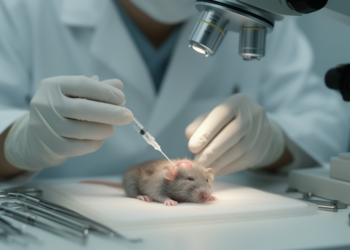
On evaluation methods, the review describes a tiered pathway. Preclinical tests in mice, ferrets and non-human primates establish safety, immunogenicity and protective effect, with ferrets considered the best influenza model because their respiratory anatomy and disease progression resemble those of humans. Hemagglutination inhibition titers remain a key correlate of protection, neutralization tests measure the strength of serum antibodies against viral entry, and cellular immunity assays such as ELISpot and intracellular cytokine staining quantify T cell responses associated with viral clearance and cross-clade coverage. Robust correlates accelerate development by reducing reliance on large efficacy trials that are ethically or logistically infeasible in prepandemic phases. Phase III randomized controlled trials in target populations typically use laboratory-confirmed influenza illness as the endpoint, and after approval, observational studies including cohort, case-control and test-negative designs assess real-world performance against circulating strains. Recent work illustrates the pipeline: an mRNA vaccine expressing the hemagglutinin of the first bovine-to-human strain, A/Texas/37/2024, stimulated strong, long-lasting humoral responses and a balanced Th1/Th2 profile in murine studies, providing 100 percent protection against lethal homologous challenge, and produced cross-clade binding antibody responses with a favorable safety profile in rats. Separately, an H5N1 vaccine cultured in serum-free MDCK cell suspension protected mice in challenge tests, with antibodies persisting up to eight months after the first dose in rats and elevated IP-10 levels indicating enhanced innate immunity.
The review closes by linking vaccine science to delivery and equity. Intradermal delivery targets the immune cells of the skin and can achieve strong responses with lower antigen doses, extending scarce vaccine supplies, though it requires specialized equipment and trained personnel. Microneedle patches offer needle-free, self-administered vaccination with thermostability that removes cold-chain constraints, although mass production and regulatory licensing remain hurdles. Mucosal intranasal vaccines induce both systemic and mucosal immunity at the respiratory entry point but face stability and formulation issues. Heterologous prime-boost regimens, such as intramuscular priming followed by mucosal boosting, may make immunity more durable and broader against variants. The authors argue that equitable global distribution frameworks such as COVAX must ensure vaccines reach low- and middle-income countries based on need, with high-risk groups prioritized. Combined, they conclude, universal vaccines targeting conserved regions, durable cross-protection, agile manufacturing and fair distribution form the strategy they identify as most capable of reducing the threat of an H5N1 pandemic and improving global preparedness.
Subject of Research: Universal influenza vaccine platforms for H5N1 pandemic preparedness
Article Title: Recent advances in universal influenza vaccine platforms: paving the way for universal H5N1 vaccines and pandemic readiness
Article References: Ali, S., Bibi, H., Ullah, H., Mehmood, M. S., Kamal, M. A., & Nazari, M. J. (2026). Recent advances in universal influenza vaccine platforms: paving the way for universal H5N1 vaccines and pandemic readiness. Discover Immunity, 3(1), Article 17. https://doi.org/10.1007/s44368-026-00036-9
Image Credits: AI Generated
DOI: 10.1007/s44368-026-00036-9
Keywords: H5N1, universal influenza vaccine, mRNA vaccines, adjuvants, pandemic preparedness, antigenic drift, viral vectors, live attenuated influenza vaccine, microneedle patches, cross-protection, immunosenescence, COVAX
Cite Scienmag News
Kristina Jarvis. (October 28, 2026). Universal influenza vaccine platforms advance toward broader H5N1 pandemic readiness. Scienmag. https://scienmag.com/universal-influenza-vaccine-platforms-advance-toward-broader-h5n1-pandemic-readiness/
Kristina Jarvis. "Universal influenza vaccine platforms advance toward broader H5N1 pandemic readiness." Scienmag, 28 October 2026, https://scienmag.com/universal-influenza-vaccine-platforms-advance-toward-broader-h5n1-pandemic-readiness/. Accessed 28 October 2026.
Kristina Jarvis. "Universal influenza vaccine platforms advance toward broader H5N1 pandemic readiness." Scienmag. October 28, 2026. https://scienmag.com/universal-influenza-vaccine-platforms-advance-toward-broader-h5n1-pandemic-readiness/