


In the realm of cognitive health, understanding the nuances of patients’ fears, aspirations, and social necessities remains paramount. Traditional cognitive impairment assessment tools are often limited to medical evaluations and clinical diagnoses, sidelining the subjective experiences that patients face in their day-to-day lives. This concern has led to a paradigm shift in cognitive care, prompting researchers to develop innovative tools that prioritize patient engagement and shared decision-making.
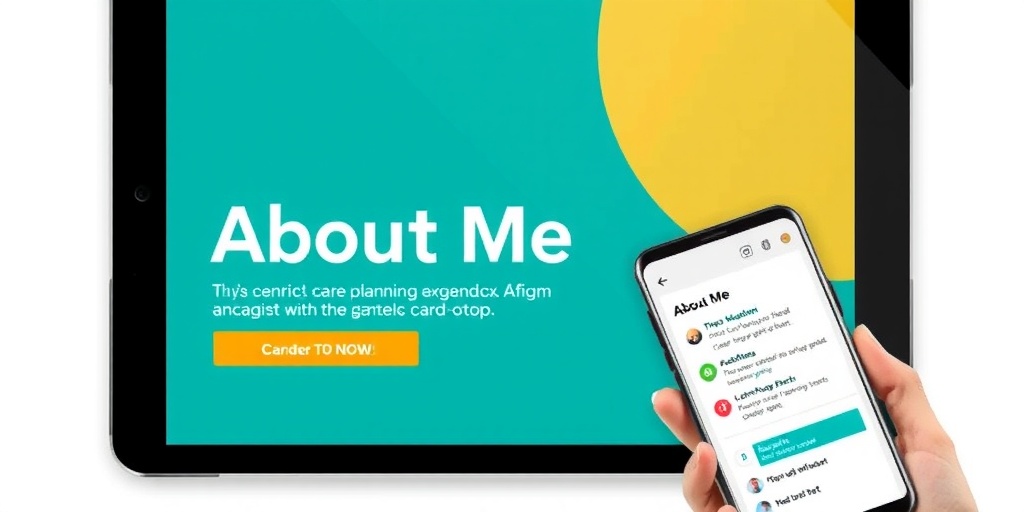
A phenomenological study conducted by a team of neurologists and public health experts at the University of Minnesota School of Public Health has unveiled a pioneering initiative known as the “About Me” Care Card. This initiative is rooted in community engagement and user-centric design principles, aimed explicitly at fostering deeper connections between health care providers and patients grappling with cognitive impairment. By transcending traditional diagnostic methodologies, this project acknowledges the multifaceted nature of cognitive health, suggesting that sustained patient-provider dialogues are essential to managing cognitive challenges effectively.
The genesis of the “About Me” Care Card arose from a comprehensive environmental scan, which identified significant voids in existing cognitive care tools. Engaging a diverse global steering committee—comprising healthcare professionals, patient advocacy representatives, family caregivers, and individuals living with dementia—enriched the tool’s development process. This participatory approach ensured that the card was not merely a theoretical construct, but a practical, user-friendly asset tailored to actual patient needs.
In a noteworthy pilot study, fourteen clinicians across seven distinct specialties participated in utilizing the “About Me” Care Card during routine visits, which were conducted either face-to-face or through telehealth platforms. This hands-on engagement revealed several profound insights. Initially, clinicians reported that the card successfully created an environment conducive to eliciting patient-driven discussions about what mattered most to them. This holistic engagement facilitated personalized conversations, allowing health care professionals to align their clinical recommendations with the individuals’ unique preferences and concerns.
The observations from the pilot phase indicated that the card was particularly effective in exploring patients’ social care needs, an area often overlooked in conventional evaluations. By prioritizing emotional connections, it facilitated the development of narratives that recognized the intricacies of familial relationships. Patients and their families expressed that the card’s structure helped bridge gaps in communication, nurturing more profound emotional connections and understanding.
Feedback collected through 44 post-use surveys provided additional insights into the card’s effectiveness. An encouraging 65% of participating patients aged 65 and older found the card to be advantageous in navigating their cognitive health discussions. However, the study also demonstrated that while 41% of respondents found the card easy to handle independently, a notable portion of patients with advanced cognitive impairments required assistance, indicating the need for enhancements in usability. Moreover, only 32% felt that the tool was instrumental in creating tangible plans that addressed their priorities, an area that warrants further exploration and improvement.
The implications of this study extend beyond the immediate findings; they suggest a transformative path for integrating tools like the “About Me” Care Card into everyday primary care workflows. As the healthcare landscape continues to evolve, the importance of recognizing and addressing patient concerns earlier cannot be overstated. By doing so, clinicians can foster a more proactive approach to cognitive impairment, ideally leading to better outcomes.
The crux of the research emphasizes that cognitive impairment is not merely a clinical diagnosis; it is an intricate tapestry of individual experiences and emotions. Integrating patient-centered tools like the “About Me” Care Card into clinical practice stands to empower both patients and healthcare providers to engage in more meaningful dialogues. As the healthcare sector increasingly acknowledges the importance of comprehensive, relational approaches to patient care, tools that facilitate such engagement will become invaluable.
In summation, the “About Me” Care Card represents a significant step toward embracing a paradigm where cognitive health discussions are not solely focused on deficits, but rather on holistic patient experiences. Enhancing these discussions can lead to better-informed treatment strategies that resonate with clients’ lived experiences and aspirations. As we advance in the field of cognitive health, it is essential to continue fostering innovations that prioritize patient engagement, ensuring that the voices of those most affected by cognitive challenges are not only heard, but actively shaped into the very fabric of care.
The “About Me” Care Card is more than a tool; it is a testament to the potential of collaborative healthcare. By recognizing the significance of communication and personalized care plans, we can set a precedent for how cognitive health discussions are conducted and valued in the future. The journey toward improved cognitive care is just beginning, with innovative approaches like this one paving the way for a brighter, more inclusive future for patients with cognitive impairments.
Cite Scienmag News
Ophelia Keating. (March 24, 2025). Enhancing Care Planning and Cognitive Health Management with the ‘About Me’ Care Card Tool. Scienmag. https://scienmag.com/enhancing-care-planning-and-cognitive-health-management-with-the-about-me-care-card-tool/
Ophelia Keating. "Enhancing Care Planning and Cognitive Health Management with the ‘About Me’ Care Card Tool." Scienmag, 24 March 2025, https://scienmag.com/enhancing-care-planning-and-cognitive-health-management-with-the-about-me-care-card-tool/. Accessed 1 September 2026.
Ophelia Keating. "Enhancing Care Planning and Cognitive Health Management with the ‘About Me’ Care Card Tool." Scienmag. March 24, 2025. https://scienmag.com/enhancing-care-planning-and-cognitive-health-management-with-the-about-me-care-card-tool/


