

Monday, October 19, 2026
Science
No Result
View All Result
  • Login
  • HOME
  • SCIENCE NEWS
  • CONTACT US
  • HOME
  • SCIENCE NEWS
  • CONTACT US
No Result
View All Result
Scienmag
No Result
View All Result
Home Science News Chemistry

Manganese-Loaded Biochar Boosts Nitrogen Conservation in Paddy Soil Experiment

October 19, 2026
in Chemistry
Margaret Porter
By Margaret Porter Scienmag Editorial Profile - Biodiversity Science
Reading Time: 2 mins read
0
Manganese-Loaded Biochar Boosts Nitrogen Conservation in Paddy Soil Experiment

Manganese-Loaded Biochar Boosts Nitrogen Conservation in Paddy Soil Experiment

65
SHARES
587
VIEWS
Share on FacebookShare on Twitter
ADVERTISEMENT

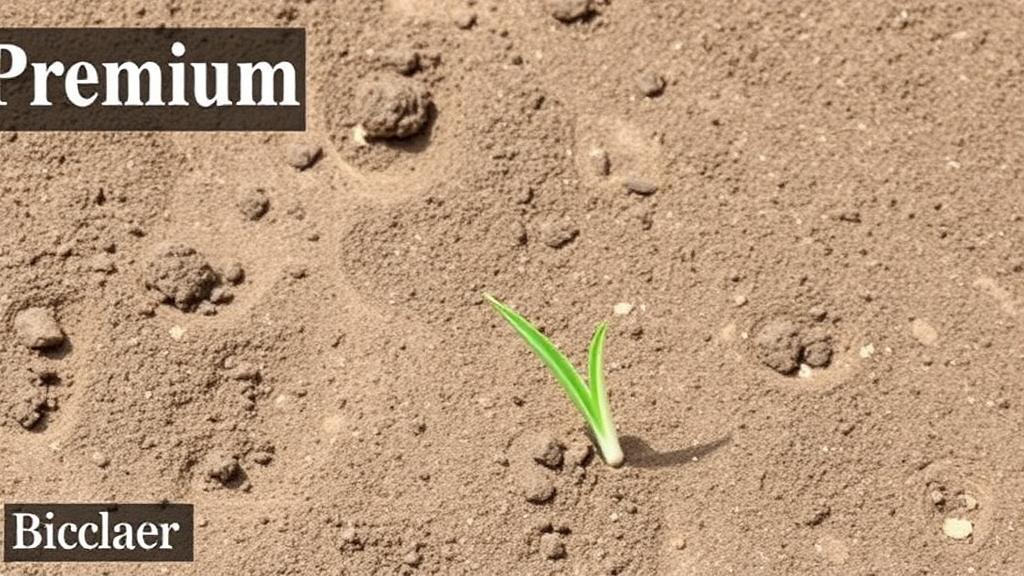
In a controlled laboratory experiment using paddy soil, researchers found that manganese-loaded wheat-straw biochar shifted more nitrate processing toward dissimilatory nitrate reduction to ammonium, or DNRA, a microbial pathway that converts nitrate into ammonium and can retain nitrogen within soil. The proportion of nitrate reduction directed toward DNRA rose from 2.0% in untreated soil to 10.8% after the material was applied. Cumulative nitrous oxide emissions declined from 17.6 to 1.9 milligrams of nitrogen per kilogram of dry soil, an approximately 89% reduction under the experimental conditions. The peer-reviewed study was published in Biochar.

The researchers modified wheat-straw biochar with manganese, an element capable of switching between oxidation states. In the modified material, manganese compounds acted as electron-transfer facilitators, helping microorganisms access the electrons needed to convert nitrate into ammonium. Laboratory measurements showed that manganese loading increased the biochar’s electron-exchange capacity by approximately 80% compared with unmodified biochar. This redox-active function was associated with a larger share of nitrate reduction proceeding through DNRA rather than through denitrification, which converts nitrate into gaseous nitrogen compounds that can escape from soil. The results indicate that engineered electron transfer in the biochar favored a nitrogen-conserving microbial route under the conditions tested.

The treatment also altered the soil microbial community. Manganese-loaded biochar promoted bacteria associated with DNRA and increased expression of the nrfA gene, described by the researchers as a key biological marker of nitrate-to-ammonium conversion. Further analysis indicated that manganese helped mobilize naturally occurring soil organic carbon, making additional electron donors available to microorganisms. No measurable carbon loss was detected during the incubation period. The researchers linked the material’s enhanced electron-shuttling capacity, the increased activity of DNRA-associated bacteria and the greater availability of organic-carbon-derived electrons to the observed changes in nitrogen transformation and nitrous oxide emissions. These findings were measured in laboratory soil incubations and do not establish how the approach would perform in cultivated fields or over long periods.

Because the work was conducted under controlled laboratory conditions, the results do not yet demonstrate long-term fertilizer benefits, environmental safety or performance across different agricultural soils. The researchers stated that further field studies are required to evaluate those issues. Within the scope of the experiment, however, the study provides direct evidence that adding redox-active manganese to wheat-straw biochar can change microbial nitrogen processing: the share of nitrate reduction directed toward DNRA increased, while cumulative nitrous oxide emissions fell sharply. The study therefore connects a measured material property—higher electron-exchange capacity—to changes in soil microbial activity and nitrogen conservation. Whether these laboratory effects can be reproduced in farm environments remains an open question requiring field validation.

Subject of Research: Effects of manganese-loaded biochar on DNRA and nitrous oxide emissions in paddy soil

Article Title: Manganese-enhanced biochar helps soil retain nitrogen while reducing greenhouse gas emissions

Article References: Manganese-enhanced biochar helps soil retain nitrogen while reducing greenhouse gas emissions. Original publication (Bibliographic details unavailable.)

Image Credits: AI Generated

DOI: Not provided

Keywords: manganese-loaded biochar, wheat-straw biochar, paddy soil, DNRA, nitrogen conservation, nitrous oxide, electron transfer, soil microbes, redox-active manganese, Manganese-enhanced, biochar, helps

Cite Scienmag News

Margaret Porter. (October 19, 2026). Manganese-Loaded Biochar Boosts Nitrogen Conservation in Paddy Soil Experiment. Scienmag. https://scienmag.com/manganese-loaded-biochar-boosts-nitrogen-conservation-in-paddy-soil-experiment/


Margaret Porter. "Manganese-Loaded Biochar Boosts Nitrogen Conservation in Paddy Soil Experiment." Scienmag, 19 October 2026, https://scienmag.com/manganese-loaded-biochar-boosts-nitrogen-conservation-in-paddy-soil-experiment/. Accessed 19 October 2026.

Margaret Porter. "Manganese-Loaded Biochar Boosts Nitrogen Conservation in Paddy Soil Experiment." Scienmag. October 19, 2026. https://scienmag.com/manganese-loaded-biochar-boosts-nitrogen-conservation-in-paddy-soil-experiment/

Tags: Biocharbiochar modification with manganesedissimilatory nitrate reduction to ammonium (DNRA)DNRAelectron transferelectron transfer capacity of biocharengineered biochar for greenhouse gas mitigationhelpsimpact of biochar on soil microbial processesManganese-enhancedmanganese-loaded biocharManganese-loaded biochar in paddy soilmicrobial nitrate reduction pathwaysnitrogen conservationnitrogen conservation in soilnitrogen retention in paddy fieldsnitrous oxidepaddy soilredox-active biochar for soil healthredox-active manganesereduction of nitrous oxide emissions in agriculturesoil microbessustainable soil management techniqueswheat-straw biochar
Share26Tweet16
Previous Post

Palladium membrane removes and defluorinates six PFAS

Next Post

Review maps PTBP1 roles in viral RNA translation and replication

Related Posts

Robots and Light Power KAIST’s Round-the-Clock Unmanned Drug Synthesis Platform
Chemistry

Robots and Light Power KAIST’s Round-the-Clock Unmanned Drug Synthesis Platform

October 19, 2026
AI Becomes the Design Engine Behind Terahertz Metamaterial Devices
Chemistry

AI Becomes the Design Engine Behind Terahertz Metamaterial Devices

October 19, 2026
Kirigami-Inspired 4D Hydrogels Reshape Themselves Into Complex Human Tissue Forms
Chemistry

Kirigami-Inspired 4D Hydrogels Reshape Themselves Into Complex Human Tissue Forms

October 19, 2026
GABA: How Fermented Foods Could Calm the Brain and Body
Chemistry

GABA: How Fermented Foods Could Calm the Brain and Body

October 19, 2026
Encoded Sequences Steer Artificial Molecules Into a Single Triple Helix
Chemistry

Encoded Sequences Steer Artificial Molecules Into a Single Triple Helix

October 19, 2026
Sprouted Flaxseed Oil Supercharges Brain Lipids in Mice Despite Losing Some Omega-3
Chemistry

Sprouted Flaxseed Oil Supercharges Brain Lipids in Mice Despite Losing Some Omega-3

October 19, 2026
Next Post
Review maps PTBP1 roles in viral RNA translation and replication

Review maps PTBP1 roles in viral RNA translation and replication

  • Mothers who receive childcare support from maternal grandparents show more optimized

    Mothers who receive childcare support from maternal grandparents show more parental warmth, finds NTU Singapore study

    27656 shares
    Share 11059 Tweet 6912
  • University of Seville Breaks 120-Year-Old Mystery, Revises a Key Einstein Concept

    1061 shares
    Share 424 Tweet 265
  • Bee body mass, pathogens and local climate influence heat tolerance

    682 shares
    Share 273 Tweet 171
  • Researchers record first-ever images and data of a shark experiencing a boat strike

    546 shares
    Share 218 Tweet 137
  • Groundbreaking Clinical Trial Reveals Lubiprostone Enhances Kidney Function

    531 shares
    Share 212 Tweet 133
Science

Embark on a thrilling journey of discovery with Scienmag.com—your ultimate source for cutting-edge breakthroughs. Immerse yourself in a world where curiosity knows no limits and tomorrow’s possibilities become today’s reality!

RECENT NEWS

  • WVU researcher leads $2.7M effort to forecast space weather risks to satellites
  • Review maps PTBP1 roles in viral RNA translation and replication
  • Manganese-Loaded Biochar Boosts Nitrogen Conservation in Paddy Soil Experiment
  • Palladium membrane removes and defluorinates six PFAS

Categories

  • Agriculture
  • Anthropology
  • Archaeology
  • Athmospheric
  • Biology
  • Biotechnology
  • Blog
  • Bussines
  • Cancer
  • Chemistry
  • Climate
  • Earth Science
  • Editorial Policy
  • Marine
  • Mathematics
  • Medicine
  • Pediatry
  • Policy
  • Psychology & Psychiatry
  • Science Education
  • Science News
  • Social Science
  • Space
  • Technology and Engineering

Subscribe to Blog via Email

Enter your email address to subscribe to this blog and receive notifications of new posts by email.

Join 5,149 other subscribers

© 2025 Scienmag - Science Magazine

Welcome Back!

Login to your account below

Forgotten Password?

Retrieve your password

Please enter your username or email address to reset your password.

Log In
No Result
View All Result
  • HOME
  • SCIENCE NEWS
  • CONTACT US

© 2025 Scienmag - Science Magazine

Discover more from Science

Subscribe now to keep reading and get access to the full archive.

Continue reading