


…
…
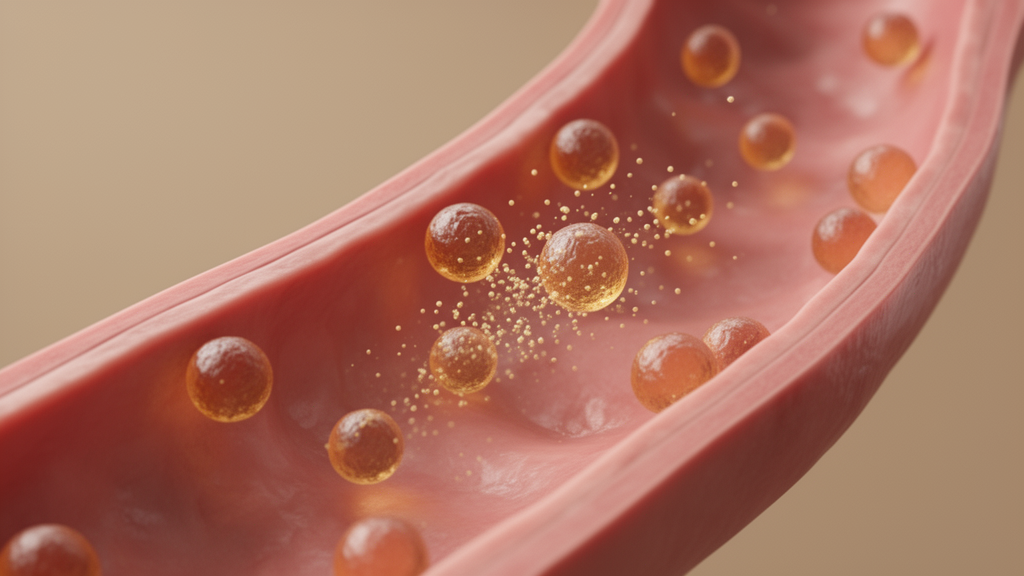
The strategic appeal of combining mucoadhesive microspheres with an orodispersible tablet platform lies in the way it addresses two distinct physiological barriers in sequence. The first barrier is the swallow event itself, during which a conventional tablet or capsule may spend only seconds in contact with the oesophageal lining before being carried into the stomach by peristalsis. The second barrier is the limited ability of systemically circulating antifungal agents to reach therapeutically meaningful concentrations within the oesophageal mucosa, where the fungal burden is concentrated on the luminal surface. By disintegrating in the oral cavity within roughly half a minute, the orodispersible tablet liberates microspheres that can then be carried by saliva to the oesophagus, where mucoadhesion takes over and extends contact time well beyond what a dissolved drug solution could achieve.
The choice of chitosan as the microsphere matrix is central to this approach. Chitosan is produced by deacetylation of chitin, a structural polysaccharide abundant in crustacean shells, and its backbone of beta-(1 to 4)-linked D-glucosamine units carries amino groups that become protonated at the mildly acidic pH typical of oesophageal tissue. These positively charged groups form electrostatic bonds with the negatively charged sialic acid residues of mucin glycoproteins, creating the mucoadhesive interaction that underpins oesophageal retention. Beyond adhesion, chitosan is biocompatible and biodegradable, and it has been widely studied as a permeation enhancer and film-forming excipient, meaning the polymer is well characterized from a safety standpoint in mucosal applications.
The emulsion cross-linking method used to fabricate the microspheres is a well-established technique in which an aqueous polymer-drug phase is dispersed in an oily continuous phase and then stabilized by a cross-linking agent. The degree of cross-linking, the ratio of polymer to drug, and processing conditions such as stirring speed collectively determine the size, drug loading, and release kinetics of the resulting particles. Applying a full factorial design to these variables allows the formulator to move beyond trial-and-error optimization, quantifying the main effects and interactions of formulation factors on critical quality attributes simultaneously. In this study, the design targeted four responses: particle size, entrapment efficiency, drug release, and ex vivo oesophageal retention, each of which reflects a different aspect of clinical performance.
The optimized formulation achieved a particle size of approximately thirty-two micrometres, a scale that is consequential for both mucoadhesion and patient acceptability. Particles in the low micrometre range provide sufficient surface area for contact with mucosal tissue while remaining below the threshold at which grittiness becomes perceptible in the mouth, an important consideration for an orodispersible format. Entrapment efficiency above eighty-four percent indicates that the majority of the fluconazole was successfully encapsulated rather than remaining dissolved in the external phase, which improves dose uniformity and reduces drug waste during manufacture. Meanwhile, roughly half of the microspheres remained attached to excised oesophageal tissue after thirty minutes in the ex vivo retention test, a meaningful result given that the physiological oesophageal transit of a swallowed bolus is measured in seconds.
The solid-state characterization provided complementary evidence that the drug had been molecularly integrated into the polymer matrix. Differential scanning calorimetry detects the melting endotherm of crystalline fluconazole, and its attenuation or disappearance within the microspheres indicates that the drug is dispersed in an amorphous or molecular state. X-ray diffraction corroborates this by showing loss of the sharp crystalline peaks characteristic of the pure drug. This reduction in crystallinity is scientifically significant for two reasons: it implies stronger drug-polymer interaction and more homogeneous dispersion, and it generally improves the initial wetting and dissolution of a poorly dissolving drug at the particle surface. Infrared spectroscopy, in turn, confirmed that no chemical degradation or strong covalent reaction occurred between fluconazole and chitosan, establishing compatibility rather than reactivity.
Perhaps the most technically demanding step in the development was compressing the microspheres into tablets without destroying them. Direct compression applies substantial mechanical stress, and polymeric microparticles can fracture, fuse, or develop a densified coating that slows release. The dissolution comparison between the free microspheres and the compressed tablets addressed this concern using the difference and similarity factors, standard metrics recommended for comparing dissolution profiles. A similarity factor of eighty, which exceeds the regulatory benchmark of fifty, together with a difference factor of eight, which falls well below the acceptable limit of fifteen, indicated that the two release curves were statistically indistinguishable. This finding demonstrates that direct compression is a viable route to translate microsphere technology into a manufacturable solid dosage form.
The rapid disintegration of the tablets, at under twenty-five seconds, along with a wetting time of under twenty seconds, reflects careful optimization of the tablet matrix to ensure that the microspheres are liberated quickly in the oral cavity. Drug content approaching one hundred percent of the label claim further attests to uniform mixing and minimal loss during compression. Stability testing under both real-time and accelerated conditions, the latter typically involving elevated temperature and humidity, provides preliminary evidence that neither the microspheres nor the tablet matrix degrade or release-modify over the storage period evaluated, though longer-term studies would be needed for full shelf-life confirmation.
From a pharmacological standpoint, the rationale for local delivery of fluconazole is reinforced by its mechanism of action. Fluconazole inhibits lanosterol 14-alpha-demethylase, a fungal cytochrome P450 enzyme essential for converting lanosterol to ergosterol, the principal sterol of fungal cell membranes. Depleting ergosterol compromises membrane integrity and function, halting fungal growth. Because this target resides in the fungal cells colonizing the oesophageal surface, prolonged local exposure should sustain inhibitory concentrations at the site of infection while the mucoadhesive matrix limits rapid wash-off by saliva and swallowing.
Oesophageal candidiasis is most prevalent among immunocompromised populations, including people living with HIV, patients receiving cytotoxic chemotherapy, and transplant recipients on immunosuppressive regimens. In these groups, recurrence is common and repeated systemic dosing raises concerns about drug interactions, particularly since fluconazole is itself a cytochrome P450 inhibitor with the potential to alter the metabolism of co-administered drugs. A delivery strategy that concentrates the drug locally could, in principle, reduce the total systemic burden, although establishing such a sparing effect would require dedicated pharmacokinetic and clinical studies.
Several questions remain open before this platform can advance toward the clinic. Ex vivo retention on excised tissue does not fully reproduce the dynamic mechanical forces of swallowing, saliva flow, and mucosal turnover in a living oesophagus, and in vitro dissolution conditions only approximate the pH and residence environment of the upper gastrointestinal tract. The relationship between oesophageal residence time and clinical cure rates has not been established for any mucoadhesive formulation, and the dose of microspheres that can practically be delivered in a single orodispersible tablet may constrain achievable drug loads. Nonetheless, the demonstration that microsphere functionality survives tableting, combined with the scalability of direct compression, gives this approach a credible manufacturing path. If subsequent in vivo studies confirm extended oesophageal residence and demonstrate therapeutic equivalence or superiority to standard systemic fluconazole, mucoadhesive microsphere-based orodispersible tablets could become a valuable addition to the limited toolkit available for treating localized oesophageal infections.
Subject of Research: …
Article Title: Design and optimization of mucoadhesive chitosan microspheres for oesophageal delivery of fluconazole
Article References: Design and optimization of mucoadhesive chitosan microspheres for oesophageal delivery of fluconazole. (n.d.). https://doi.org/10.3389/fddev.2026.1962873
Image Credits: AI Generated
DOI: 10.3389/fddev.2026.1962873
Keywords: Design, optimization, mucoadhesive, chitosan, microspheres, oesophageal, delivery, fluconazole, scientific research
Cite Scienmag News
Louis Brooks. (October 16, 2026). Mucoadhesive Chitosan Microspheres Could Deliver Fluconazole Straight to the Oesophagus. Scienmag. https://scienmag.com/mucoadhesive-chitosan-microspheres-could-deliver-fluconazole-straight-to-the-oesophagus/
Louis Brooks. "Mucoadhesive Chitosan Microspheres Could Deliver Fluconazole Straight to the Oesophagus." Scienmag, 16 October 2026, https://scienmag.com/mucoadhesive-chitosan-microspheres-could-deliver-fluconazole-straight-to-the-oesophagus/. Accessed 16 October 2026.
Louis Brooks. "Mucoadhesive Chitosan Microspheres Could Deliver Fluconazole Straight to the Oesophagus." Scienmag. October 16, 2026. https://scienmag.com/mucoadhesive-chitosan-microspheres-could-deliver-fluconazole-straight-to-the-oesophagus/


